The liver plays a vital role in filtering toxins, aiding digestion, and producing essential proteins. Cirrhosis of the liver occurs when long-term damage replaces healthy tissue with scar tissue, reducing liver function. Recognizing cirrhosis liver symptoms, understanding the stages of liver cirrhosis, and seeking early treatment for cirrhosis can help prevent serious complications. In advanced cases, a liver transplant may be required to restore liver function and improve quality of life.
What Is Cirrhosis of the Liver?
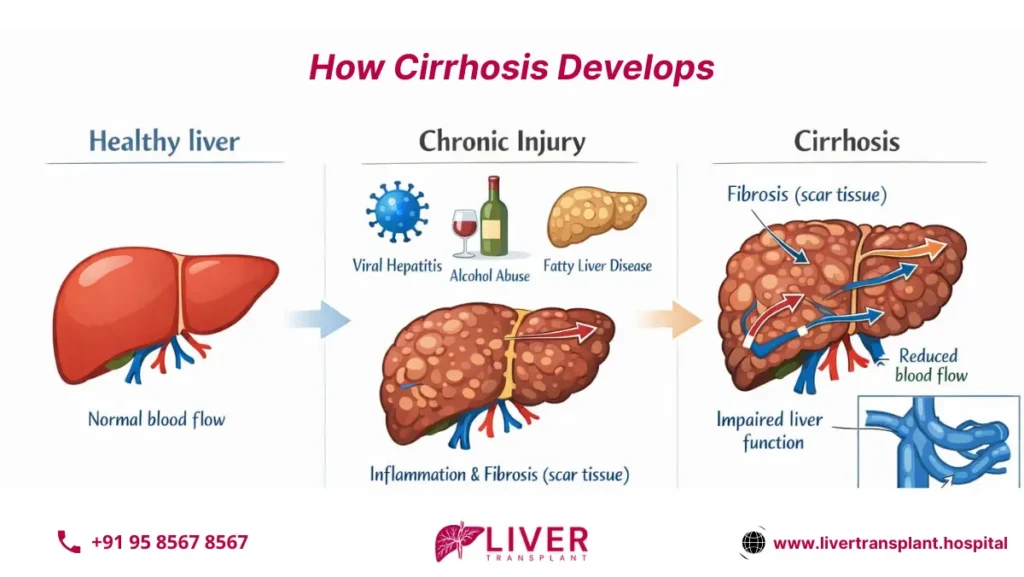
This condition is a chronic disease in which the liver develops permanent scarring due to long-term injury or illness. Under normal circumstances, the liver can repair and regenerate itself after minor damage. However, repeated exposure to harmful factors such as excessive alcohol use, infections, or metabolic disorders causes the healing process to form scar tissue instead of healthy cells.
Over time, the scar tissue replaces normal liver tissue and interferes with proper blood flow. As a result, the organ cannot perform essential tasks such as removing toxins, producing proteins, and aiding digestion. This gradual damage can significantly impact overall health.
Doctors often assess the Stages of liver cirrhosis to understand how severe the condition has become. These stages range from early scarring to advanced liver failure. Detecting the disease early allows healthcare providers to begin the appropriate treatment for cirrhosis and help slow its progression.
If the condition becomes severe and the liver can no longer function properly, a liver transplant may be recommended. In this procedure, the damaged organ is replaced with a healthy donor liver.
What Causes Cirrhosis?
Several medical conditions and lifestyle factors can contribute to the development of cirrhosis of the liver. The condition usually develops gradually over many years as the liver experiences repeated inflammation and damage.
One of the most common causes is long-term alcohol consumption. Excessive alcohol intake damages liver cells and causes inflammation, which can eventually lead to cirrhosis of the liver. Viral infections such as hepatitis B and hepatitis C are also major causes of chronic liver damage.
Another growing cause is non-alcoholic fatty liver disease (NAFLD). This condition occurs when excess fat accumulates in the liver, leading to inflammation and gradual scarring. If untreated, it may progress to cirrhosis of the liver.
Other possible causes include:
- Autoimmune liver diseases
- Genetic or inherited liver disorders
- Long-term bile duct obstruction
- Chronic infections
- Certain medications or exposure to toxins
Understanding the underlying cause is essential for selecting the right treatment for cirrhosis. The progression of the disease also depends on the Stages of liver cirrhosis, which reflect how much damage has occurred within the liver.
Signs and Complications of Cirrhosis of the Liver?
During the early stages, cirrhosis of the liver may not cause noticeable symptoms. Many individuals remain unaware of the condition until liver damage becomes more severe. However, as the disease progresses, several cirrhosis liver symptoms may begin to appear.
Common cirrhosis liver symptoms include:
- Constant fatigue or weakness
- Reduced appetite
- Nausea or vomiting
- Unexplained weight loss
- Yellowing of the skin and eyes (jaundice)
- Swelling in the legs or abdomen
- Easy bruising or bleeding
These cirrhosis liver symptoms occur because the liver cannot properly filter toxins or produce important proteins. As the disease advances through the Stages of liver cirrhosis, symptoms usually become more severe.
Advanced cirrhosis of the liver may also lead to serious complications, including:
- Portal hypertension, or increased pressure in liver blood vessels
- Hepatic encephalopathy, where toxins affect brain function and cause confusion
- Internal bleeding from enlarged veins in the digestive system
Patients experiencing these complications require immediate medical care and specialized treatment for cirrhosis. In severe situations where liver function is significantly impaired, doctors may recommend a Livertransplant as a life-saving procedure.
Early identification of cirrhosis liver symptoms plays an important role in preventing complications and improving treatment outcomes.
How Is Cirrhosis Treated?
Although the damage caused by cirrhosis of the liver cannot be completely reversed, early treatment can slow disease progression and reduce complications. The main goal of treatment for cirrhosis is to manage symptoms, treat the underlying cause, and protect the remaining healthy liver tissue.
The most appropriate treatment for cirrhosis depends on the cause of the disease and the Stages of liver cirrhosis.
Lifestyle and Medical Management
Lifestyle changes are often recommended as the first step in managing cirrhosis of the liver. These may include:
- Completely avoiding alcohol
- Maintaining a healthy weight
- Following a balanced diet
- Managing diabetes and cholesterol levels
- Taking medications to control inflammation
These measures help slow the progression of cirrhosis of the liver and support overall liver health.
Medications
Doctors may prescribe medications to manage symptoms and prevent complications. These treatments can help reduce fluid buildup, prevent infections, and control pressure in the liver.
Because the condition can worsen over time, patients require regular medical checkups and monitoring.
Liver Transplant
When the disease reaches an advanced stage and the liver can no longer function properly, a liver transplant may be necessary. During this procedure, surgeons replace the damaged organ with a healthy liver from a donor.
A successful transplant can greatly improve survival rates and overall quality of life for patients with severe liver damage.
How Doctors Diagnose Cirrhosis of the Liver
Diagnosing the condition involves reviewing a patient’s medical history, performing a physical examination, and conducting several diagnostic tests. Early detection helps doctors start the right treatment before serious complications develop.
Doctors usually begin by evaluating the patient’s medical history, including alcohol consumption, viral infections, and other medical conditions that may lead to liver damage.
Blood tests are commonly used to evaluate liver function and identify abnormalities. Imaging tests such as ultrasound, CT scans, or MRI scans help detect liver scarring and determine the Stages of liver cirrhosis.
In some cases, doctors may recommend a liver biopsy, where a small sample of liver tissue is examined to confirm the diagnosis and assess the severity of damage. Regular monitoring is important because the disease can gradually progress over time.
Conclusion
Cirrhosis is a progressive liver condition that requires timely diagnosis and proper medical management. Recognizing early warning signs, understanding how the disease develops, and seeking appropriate treatment can help slow its progression and reduce the risk of serious complications. With the right medical support and continuous monitoring, many patients can effectively manage their condition. At Livertransplant.hospital, experienced specialists offer advanced diagnostic services, personalized care, and expert liver transplant treatment to help patients achieve better long-term health outcomes.