The liver is one of the most important organs in the human body. It performs essential functions such as filtering toxins from the blood, supporting digestion, and regulating metabolism. When the liver becomes damaged due to infections, poor lifestyle habits, or long-term medical conditions, these important functions can be affected. Receiving proper liver disease treatment at the right time is crucial to prevent complications and restore normal liver function.
Understanding Liver Disease and the Importance of Early Treatment
Liver disease refers to several conditions that affect how the liver works. Many liver disorders develop slowly and may not show clear symptoms during the early stages. However, without proper medical care, these conditions can gradually worsen and lead to serious complications such as liver failure or liver cancer. Early diagnosis and timely treatment for liver disorders play a key role in maintaining long-term liver health.
A variety of factors can contribute to liver damage. Viral infections, excessive alcohol consumption, obesity, metabolic disorders, and certain genetic conditions are among the most common causes. Although some individuals experience mild symptoms initially, the disease can progress if left untreated. Seeking early medical evaluation and proper liver health treatment helps prevent complications and improves recovery outcomes.
Common Symptoms of Liver Disease
Liver conditions often develop gradually, making them difficult to detect at an early stage. As the disease progresses, patients may begin to experience symptoms that indicate liver dysfunction.
Some common warning signs include:
- Persistent tiredness and weakness
- Yellowing of the skin and eyes (jaundice)
- Pain or swelling in the abdomen
- Loss of appetite or unexplained weight loss
- Nausea or digestive discomfort
- Dark urine or pale stools
If these symptoms appear, it is important to consult a liver specialist promptly. Doctors may perform blood tests, imaging scans, or other diagnostic procedures to identify the problem and recommend suitable liver disease treatment options.
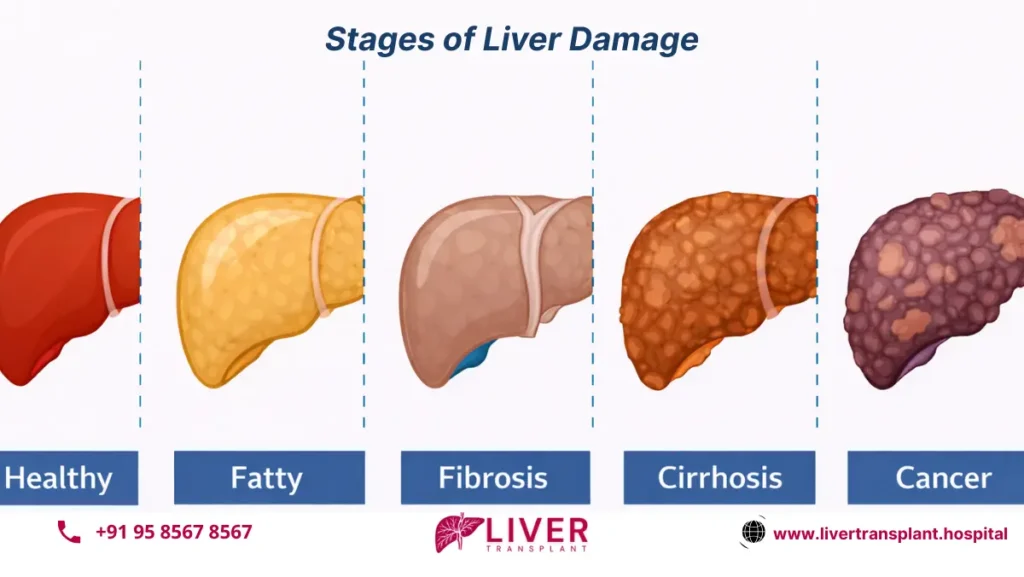
Types of Liver Disease Treatment
The approach to treating liver disease varies depending on the underlying cause, the stage of the condition, and the overall health of the patient. Specialists usually create personalized care plans that aim to control the disease, improve liver function, and prevent complications. In Chennai, hepatologists provide advanced medical care using modern diagnostic tools and treatment techniques.
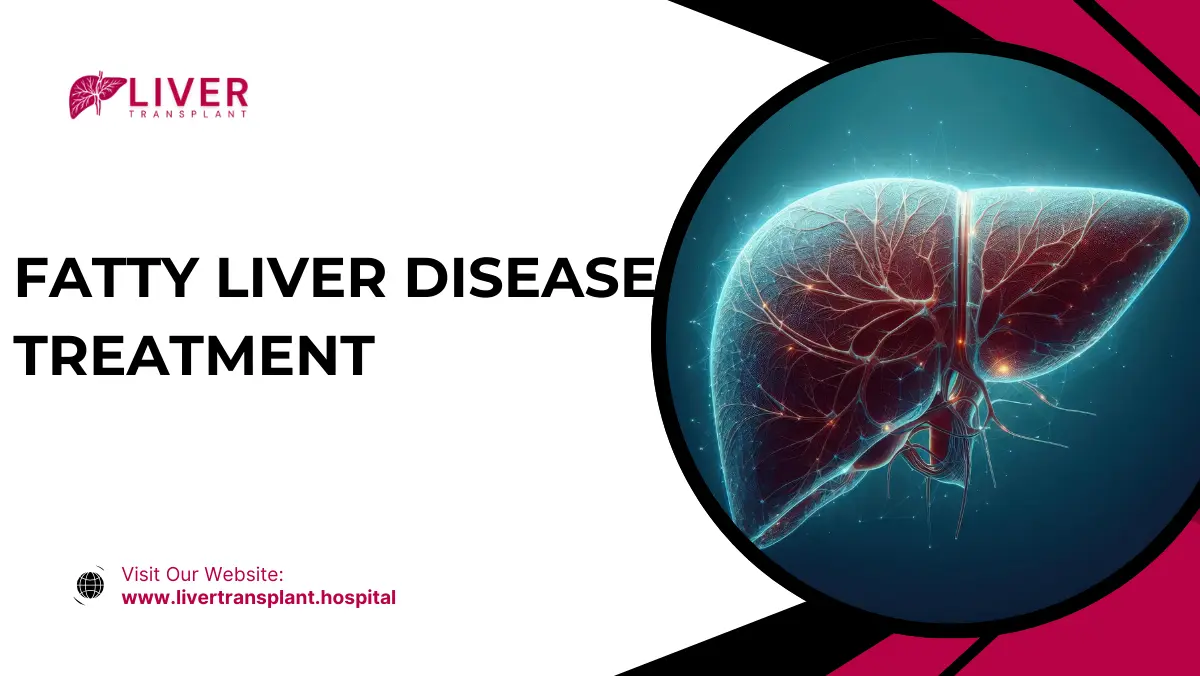
Fatty Liver Treatment
Fatty liver disease occurs when excess fat accumulates in the liver cells. This condition is commonly linked to obesity, diabetes, high cholesterol levels, and unhealthy dietary habits. Early fatty liver treatment is essential to prevent the condition from progressing into more serious liver damage.
Lifestyle modification is often the first step in managing fatty liver disease. Patients are advised to maintain a healthy weight, follow a balanced diet, and engage in regular physical activity. Avoiding alcohol and reducing the intake of processed foods also play an important role in improving liver health.
In some cases, doctors may prescribe medications and recommend routine monitoring during fatty liver therapy to reduce inflammation and support liver function. With appropriate medical care and healthy lifestyle changes, early liver damage can often be reversed.
Cirrhosis Treatment
Cirrhosis is a serious liver condition in which healthy liver tissue is replaced by scar tissue. This scarring affects the liver’s ability to function properly and may lead to severe complications. Detecting the condition early is crucial for effective cirrhosis treatment.
The main goal of cirrhosis management is to slow down the progression of liver damage and control associated symptoms. Doctors may prescribe medications to reduce inflammation, manage complications, and prevent infections. Patients are also encouraged to adopt healthier lifestyle habits and avoid alcohol consumption.
In advanced cases, specialized medical procedures or liver transplantation may be recommended as part of comprehensive chronic liver disease treatment. Early care and continuous monitoring can significantly improve a patient’s quality of life.
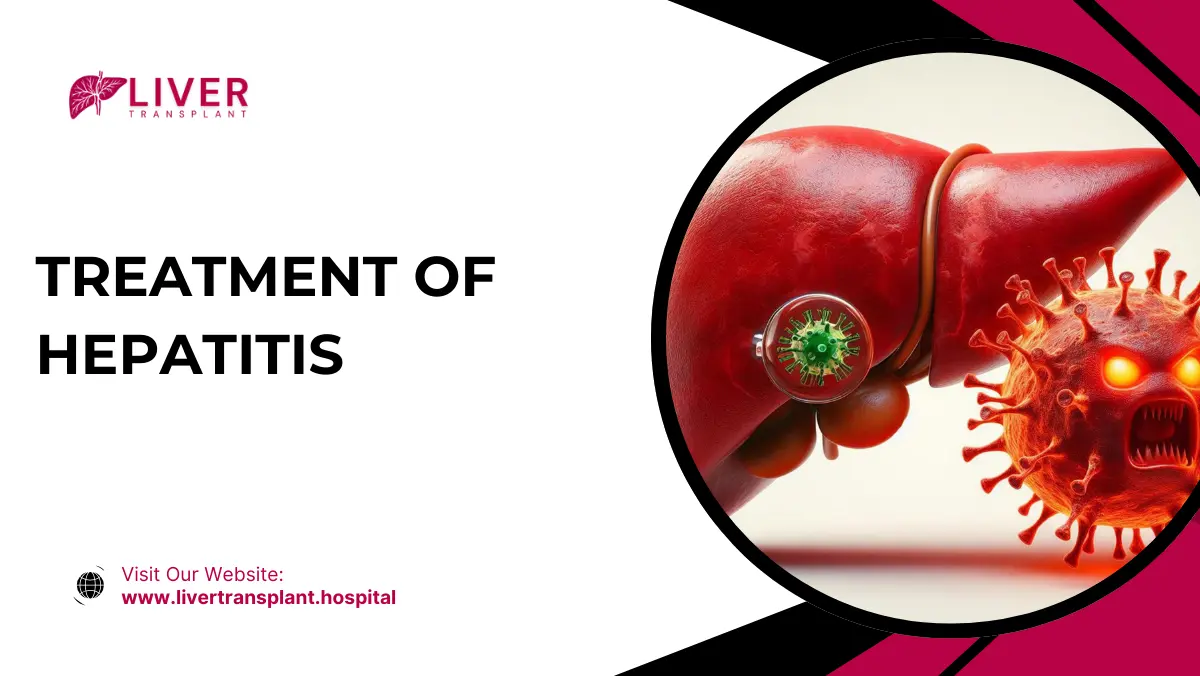
Hepatitis Treatment
Hepatitis is an inflammatory condition of the liver that is often caused by viral infections such as hepatitis A, hepatitis B, or hepatitis C. The most appropriate hepatitis treatment depends on identifying the type of virus responsible for the infection.
Medical advancements have greatly improved the effectiveness of viral hepatitis treatment. Antiviral medications are widely used to control viral activity and protect liver cells from further damage. These therapies have proven highly effective in managing hepatitis B and hepatitis C infections.
Regular medical monitoring is an essential part of hepatitis care to ensure the infection is controlled and liver health improves. Timely treatment can help prevent serious complications such as cirrhosis or liver failure.
Advanced Liver Disease Treatment Options
Experienced hepatologists and advanced diagnostic technologies help detect liver diseases at an early stage and provide effective treatment for various liver disorders.
Some advanced treatment options include:
- Comprehensive liver function tests and diagnostic imaging
- Minimally invasive medical procedures
- Targeted medication therapies
- Nutrition and lifestyle counseling programs
- Liver transplant surgery for severe liver damage
Patients undergoing fatty liver treatment, cirrhosis therapy, or hepatitis care benefit from a multidisciplinary approach that includes liver specialists, surgeons, and nutrition experts working together to provide comprehensive liver disease treatment.
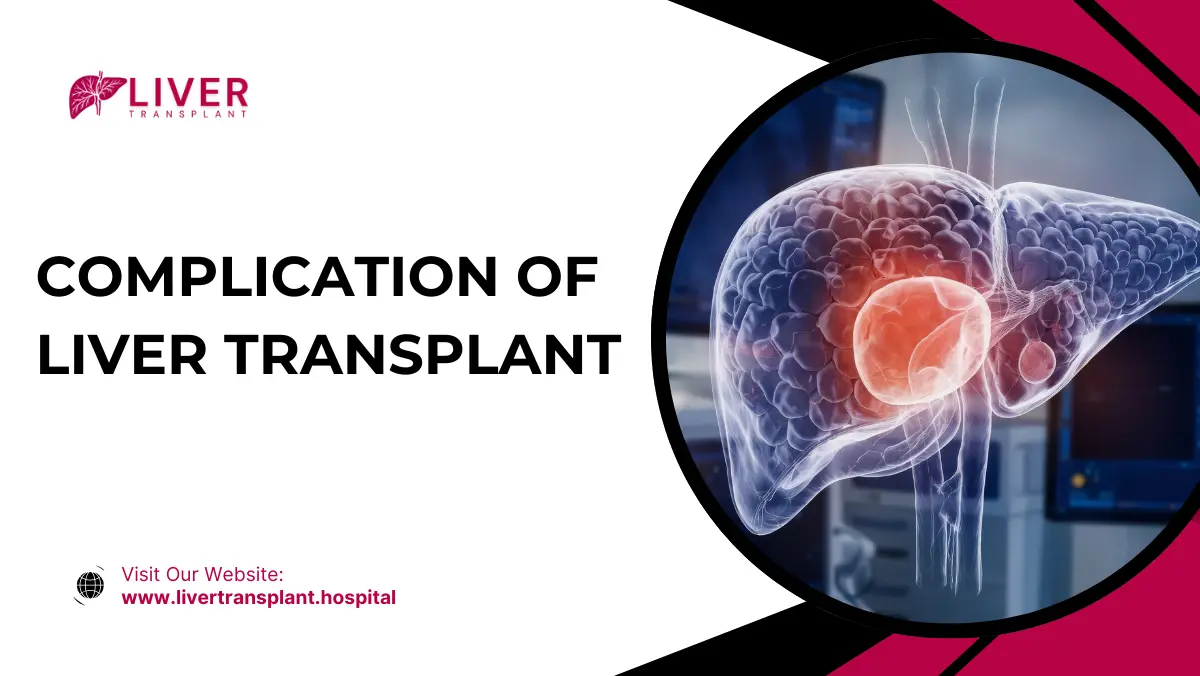
When Is a Liver Transplant Required?
In certain cases where the liver becomes severely damaged and cannot function properly, doctors may recommend a liver transplant. This procedure involves replacing the diseased liver with a healthy donor liver.
A transplant may be required in conditions such as:
- End-stage liver cirrhosis
- Acute liver failure
- Severe complications from chronic hepatitis
- Certain types of liver cancer
Hospitals in Chennai offer advanced transplant programs with skilled surgical teams and modern medical infrastructure. Patients undergoing transplant surgery receive continuous monitoring and long-term follow-up care.
Conclusion
The liver plays a vital role in maintaining overall health, and protecting it is essential for a healthy life. Early diagnosis and appropriate medical care greatly improve recovery outcomes for individuals with liver conditions. Today, modern medicine offers effective solutions for various liver disorders, including fatty liver disease, cirrhosis, and hepatitis. Seeking timely liver disease treatment can help prevent complications and support long-term health. With access to experienced specialists and advanced medical facilities in Chennai, patients can receive comprehensive care and improve their liver health.