A Complete Guide to Getting Ready for a Life Changing Procedure
Receiving news that you need a liver transplant can feel overwhelming. Alongside concerns about the surgery itself, patients often face uncertainty about what they should do before the procedure and how they can improve their chances of a successful outcome. Preparing for liver transplant surgery is not simply about waiting for a donor organ. It involves strengthening the body, improving nutritional status, managing emotional health, organizing support systems, and working closely with the transplant team. Every step taken before surgery can contribute to a smoother recovery and better long term results. Understanding the preparation process can help patients and their families feel more confident, informed, and ready for the journey ahead.
Understanding Liver Transplant Surgery
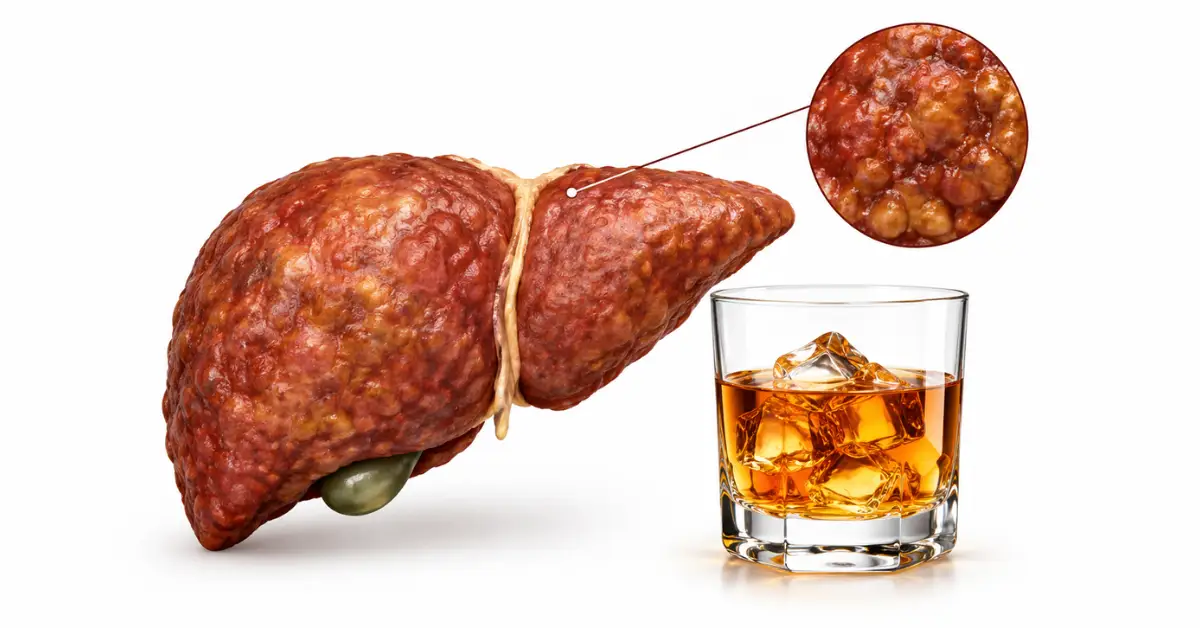
A liver transplant is a surgical procedure in which a diseased or failing liver is replaced with a healthy donor liver. It is often considered when liver damage becomes so severe that the organ can no longer perform essential functions needed to sustain life. The liver is responsible for hundreds of critical tasks, including filtering toxins from the blood, producing proteins, regulating metabolism, and supporting digestion. When these functions begin to fail, transplantation may become the most effective treatment option. Advances in surgical techniques, donor matching, and post transplant care have significantly improved outcomes over the past few decades, making liver transplantation one of modern medicine’s most successful life saving procedures.
Why Preparation is Essential Before Transplant
Many patients focus primarily on the surgery itself, but preparation before transplantation is equally important. A patient who enters surgery in the best possible condition is often better equipped to withstand the physical stress of the procedure and recover more efficiently afterward. Preparation helps healthcare providers identify and address potential medical concerns before surgery. It also allows patients to develop healthy habits that can continue after transplantation, supporting long term liver health and overall well being. Perhaps most importantly, preparation gives patients a sense of control during a period that can otherwise feel uncertain and stressful.
The Liver Transplant Evaluation Process
Before a transplant can be scheduled, patients must undergo an extensive evaluation. This process ensures that transplantation is medically appropriate and that the patient is healthy enough to undergo major surgery. The evaluation typically involves multiple specialists, including hepatologists, transplant surgeons, cardiologists, dietitians, psychologists, and social workers. Each specialist assesses a different aspect of the patient’s health and readiness for transplantation. Beyond determining eligibility, the evaluation helps create a personalized care plan that addresses any issues requiring attention before surgery.
Table 1: Common Pre Transplant Evaluations
| Evaluation | Why it is Important |
| Blood Tests | Assess liver function, kidney function, and overall health |
| CT Scan or MRI | Evaluate liver damage and surrounding structures |
| Heart Assessment | Determine cardiovascular fitness for surgery |
| Lung Function Testing | Identify respiratory risks |
| Cancer Screening | Detect conditions that may affect eligibility |
| Psychological Assessment | Evaluate emotional preparedness |
| Nutritional Review | Identify deficiencies and optimize health |
Physical Preparation for Liver Transplant Surgery
The physical condition of a patient before surgery can significantly influence recovery outcomes. Although many individuals awaiting transplantation experience fatigue and weakness, maintaining as much physical activity as possible remains beneficial. Even moderate exercise, when approved by healthcare providers, can help preserve muscle mass, improve circulation, and reduce complications associated with prolonged inactivity. Walking, light stretching, and supervised exercise programs are commonly recommended depending on the patient’s condition.
Key Physical Preparation Strategies
- Maintain Strength and Mobility: Patients who remain physically active before surgery often experience a smoother recovery afterward. Preserving muscle mass can improve mobility, reduce hospitalization time, and support overall healing.
- Follow Medical Instructions Consistently: Attending appointments, taking medications correctly, and completing all required testing ensures that potential complications are identified early and managed effectively before surgery.
Mental and Emotional Readiness
Preparing for liver transplant surgery is not only a physical process but also an emotional one. Many patients experience anxiety, fear, uncertainty, and even feelings of guilt when receiving an organ from a donor. These emotions are normal and should not be ignored. Emotional well being plays an important role in recovery because stress can affect sleep, appetite, motivation, and adherence to treatment plans. Patients often benefit from speaking with mental health professionals, transplant counselors, support groups, or individuals who have already undergone transplantation. Learning from others who have experienced the process can provide reassurance and realistic expectations.
Nutritional Preparation Before Surgery
Nutrition becomes especially important in the months leading up to transplantation. Liver disease can make it difficult for the body to absorb and utilize nutrients effectively, leading to muscle loss and weakness. A transplant dietitian may develop an individualized nutrition plan designed to maintain strength and support healing. Proper nutrition before surgery can also help improve immune function and reduce recovery complications.
Nutritional Priorities Before Transplant
- Focus on Adequate Protein Intake: Protein helps maintain muscle mass and supports tissue repair. Many patients with advanced liver disease require careful dietary planning to ensure they receive enough protein without placing additional strain on the body.
- Prevent Malnutrition and Deficiencies: Vitamins, minerals, and balanced calorie intake help support immune function and overall health. Addressing deficiencies before surgery can improve recovery outcomes after transplantation.
Lifestyle Changes That Improve Transplant Outcomes
The period before transplantation provides an opportunity to adopt healthier habits that can benefit both surgery and long term health. Patients are generally advised to completely avoid alcohol, stop smoking, maintain a healthy weight, and stay up to date with vaccinations. These changes can reduce complications, improve healing, and help protect the new liver after transplantation. Lifestyle improvements made before surgery often become lifelong habits that contribute to the long term success of the transplant.
Building a Strong Support System
A liver transplant is rarely a journey that patients complete alone. Family members, friends, and caregivers often play an essential role throughout the process. Caregivers may assist with transportation, medication management, appointment scheduling, meal preparation, and emotional support. Many transplant centers even require patients to identify a reliable support person before transplantation because of the important role caregivers play during recovery. Strong support systems have been associated with better adherence to treatment plans and improved post transplant outcomes.
Warning Signs to Report While Waiting for a Liver Transplant
Patients awaiting transplantation should remain vigilant about changes in their health. Promptly reporting symptoms allows healthcare providers to intervene early and prevent serious complications.
Seek immediate medical attention if any of the following occur:
Important Warning Signs
- Sudden worsening of jaundice (yellowing of the skin or eyes)
- Severe abdominal swelling or pain
- Vomiting blood or passing black stools
- New or worsening confusion
- High fever or signs of infection
- Significant shortness of breath
- Rapid unexplained weight gain
- Severe fatigue that worsens suddenly
Early communication with the transplant team can prevent medical emergencies and help maintain transplant eligibility.
What Happens When the Transplant Call Comes?
For patients awaiting a deceased donor liver, the call announcing a potential donor organ can come at any time day or night. Once notified, patients are usually instructed to travel immediately to the transplant center. Additional testing is often performed to confirm compatibility and ensure that surgery can proceed safely. Having a plan in place beforehand can help reduce stress during this critical period and ensure timely arrival at the hospital.
Preparing for Hospital Admission
Being prepared for hospitalization can make the experience more manageable and less stressful. Patients should keep important documents, medication lists, insurance information, and personal necessities organized and easily accessible. Planning transportation and ensuring family members know what to expect can also help streamline the admission process. A well prepared patient can focus more fully on the upcoming surgery rather than last minute logistical concerns.
Table 2: Liver Transplant Preparation Checklist
| Preparation Area | Recommended Action |
| Medical Health | Complete all evaluations and follow up testing |
| Physical Fitness | Stay active within medical limits |
| Nutrition | Follow transplant dietitian recommendations |
| Mental Health | Seek counseling or support if needed |
| Lifestyle Habits | Avoid alcohol and tobacco completely |
| Caregiver Planning | Identify support persons for recovery |
| Hospital Readiness | Keep essential items packed and ready |
| Home Preparation | Create a safe recovery environment |
Potential Risks and How Preparation Helps Reduce Them
Every major surgery carries risks, including infection, bleeding, blood clots, and organ rejection. While not all complications can be prevented, proper preparation can significantly reduce many risk factors.
Patients who follow medical advice, maintain good nutrition, stay physically active, and carefully manage existing health conditions are often better positioned to recover successfully and avoid preventable complications.
Preparation serves as a proactive investment in surgical success.
Preparing your Home for Recovery
Recovery begins long before the transplant takes place. Creating a safe and supportive home environment can reduce stress and make the transition from hospital to home more comfortable. Patients and caregivers should consider organizing medications, arranging transportation for follow up visits, preparing nutritious meals, and ensuring that frequently used household items are easily accessible.
Home Recovery Checklist
| Preparation Area | Recommendation |
| Sleeping Area | Ensure easy access and comfort |
| Medication Storage | Organize prescriptions clearly |
| Nutrition | Stock healthy, physician approved foods |
| Transportation | Arrange reliable travel for appointments |
| Hygiene | Maintain a clean environment to reduce infection risks |
| Support Assistance | Coordinate caregiver responsibilities |
Recovery Expectations After Surgery
Recovery begins immediately after transplantation and continues for several months. Patients typically spend time in intensive care before moving to a regular hospital room for continued monitoring. During recovery, healthcare teams closely monitor liver function, medication effectiveness, and signs of complications. Follow up appointments, blood tests, and medication adjustments become routine parts of life after transplantation. Although recovery requires patience and commitment, many patients gradually regain strength, energy, and independence.
Long Term Success After Liver Transplant
A successful liver transplant is not the end of treatment it marks the beginning of a lifelong commitment to health management. Patients must continue taking immunosuppressive medications, attend regular medical appointments, and maintain healthy lifestyle habits. With proper care, many transplant recipients return to work, travel, exercise, and enjoy a significantly improved quality of life. The combination of medical advances, patient commitment, and ongoing support has made long term transplant success increasingly achievable.
Conclusion
Preparing for liver transplant surgery involves far more than medical testing. It requires physical conditioning, nutritional optimization, emotional resilience, lifestyle improvements, and careful planning for recovery. By actively participating in the preparation process, patients can improve surgical outcomes, reduce complications, and build a strong foundation for life after transplantation. While the journey may seem challenging, every step taken before surgery contributes to a safer procedure, smoother recovery, and a healthier future with a new liver.
Read More: Living Donor vs Deceased Donor Transplant