Advanced Liver Disease Management

The liver is one of the body’s most vital organs, responsible for processing nutrients, producing essential proteins, regulating metabolism, and removing toxins from the bloodstream. When liver disease progresses to an advanced stage, these critical functions can become significantly impaired, affecting nearly every aspect of a person’s health. For many patients, advanced liver disease develops gradually over several years as a result of conditions such as cirrhosis, chronic viral hepatitis, fatty liver disease, autoimmune liver disorders, genetic conditions, or alcohol related liver damage. As liver function declines, complications may become increasingly difficult to manage and may require ongoing medical attention. The good news is that modern hepatology has evolved significantly. Today, Advanced Liver Disease Management involves far more than treating symptoms alone. Through specialized monitoring, evidence based therapies, nutritional support, complication management, and multidisciplinary care, healthcare teams can help patients maintain stability, reduce hospitalizations, and improve overall well being.

The goal is not simply to manage disease but to support patients throughout every stage of their journey while maximizing health, function, and quality of life.

Understanding Advanced Liver Disease

Advanced liver disease refers to significant and often progressive impairment of liver function that affects the body's ability to perform essential metabolic, digestive, and detoxification processes. In many cases, advanced liver disease is associated with cirrhosis, a condition in which healthy liver tissue is gradually replaced by scar tissue. As scarring increases, blood flow through the liver becomes disrupted, and the organ's ability to function effectively declines. Although advanced liver disease can be serious, modern management strategies can help control complications, slow progression, and improve patient outcomes.

Common Causes of Advanced Liver Disease

A variety of conditions can contribute to progressive liver damage over time.

Cause Impact on the Liver
Chronic Hepatitis B or C Long term inflammation and scarring
Fatty Liver Disease (MASLD/NASH) Progressive liver injury
Alcohol Related Liver Disease Chronic liver damage
Autoimmune Liver Disorders Immune mediated inflammation
Genetic and Metabolic Disorders Progressive dysfunction
Biliary Diseases Damage to bile ducts and liver tissue

Understanding the underlying cause helps specialists develop targeted treatment strategies and individualized care plans.

Why Early and Ongoing Management Matters

Many complications associated with advanced liver disease develop gradually before noticeable symptoms appear. Regular monitoring allows healthcare teams to detect changes early, adjust treatment plans, and intervene before complications become severe. This proactive approach can significantly improve quality of life and reduce the likelihood of emergency hospitalizations.

Benefit of Ongoing Management Patient Impact
Early Detection of Complications Timely intervention
Better Symptom Control Improved daily functioning
Reduced Hospitalizations Greater stability
Nutritional Optimization Enhanced strength and wellness
Transplant Planning When Needed Improved long term outcomes

Consistent follow up remains one of the most important factors in successful long term disease management.

Recognizing the Signs of Disease Progression

As liver disease advances, symptoms and complications may become more noticeable.

Common Symptom What it May Indicate
Persistent Fatigue Reduced liver function
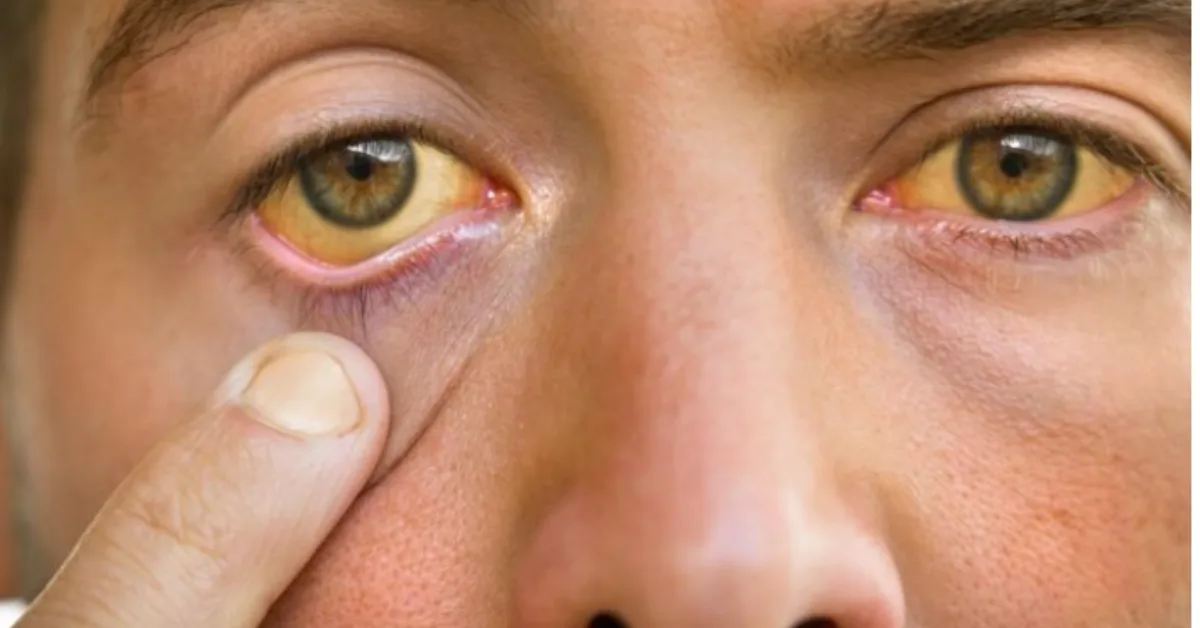
Jaundice Elevated bilirubin levels
Abdominal Swelling Fluid accumulation (ascites)
Leg Swelling Fluid retention
Easy Bruising Impaired clotting function
Confusion or Memory Problems Hepatic encephalopathy
Unexplained Weight Loss Nutritional decline

Recognizing these warning signs early allows healthcare providers to intervene promptly and optimize treatment outcomes.

Comprehensive Assessment and Monitoring

Effective management begins with a detailed understanding of disease severity and overall health status. Specialists utilize laboratory testing, imaging studies, endoscopic evaluations, nutritional assessments, and clinical examinations to monitor disease progression and identify complications.

Assessment Tool Purpose
Liver Function Tests Evaluate liver performance
Imaging Studies Assess liver structure
Endoscopy Detect varices
Nutritional Assessment Identify deficiencies
MELD Score Evaluation Assess disease severity
Cancer Surveillance Imaging Detect liver tumors early

Ongoing assessment provides valuable information that guides treatment decisions and long term care planning.

Managing Cirrhosis and Its Complications

Cirrhosis is one of the most common manifestations of advanced liver disease. Management focuses on controlling symptoms, preventing complications, treating underlying causes, and preserving liver function whenever possible. Treatment plans often evolve over time as disease severity changes and patient needs develop. Through careful monitoring and coordinated care, many complications can be identified and addressed before they significantly affect quality of life.

Nutritional Management in Advanced Liver Disease

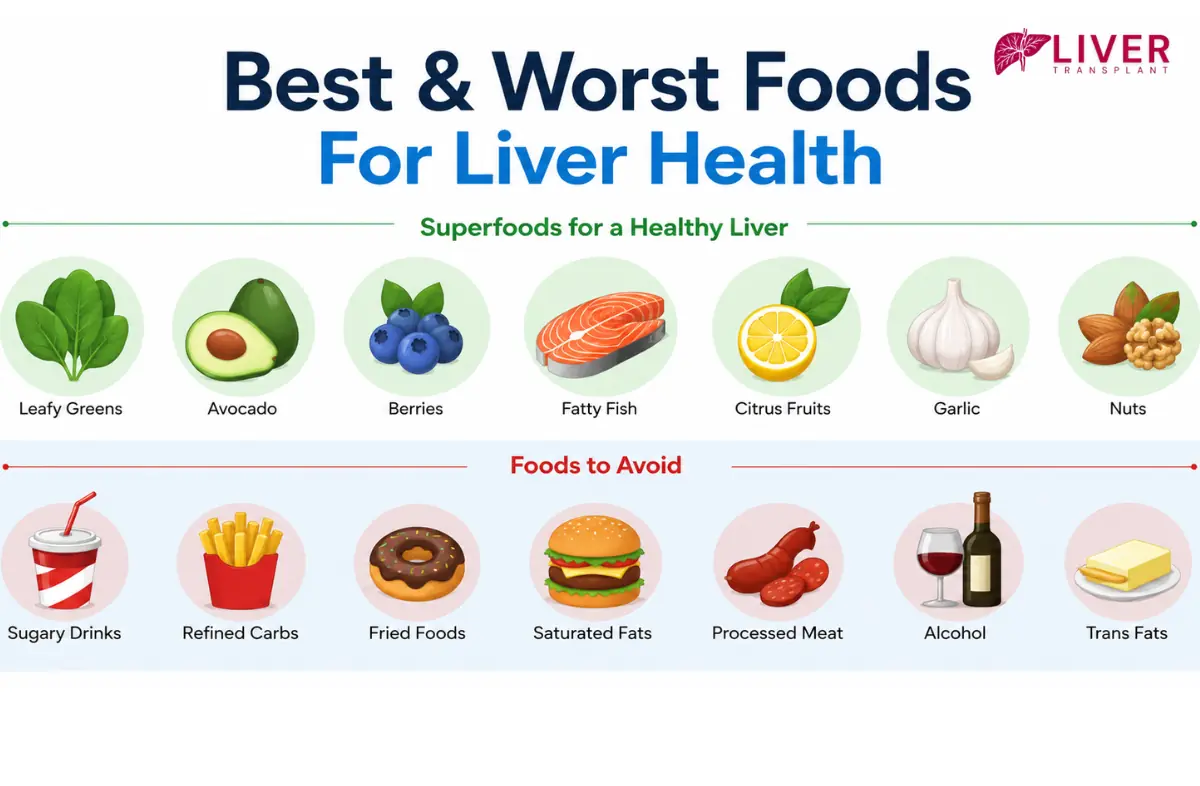
Nutrition plays a central role in maintaining strength, supporting immune function, and promoting overall well being. Many patients with advanced liver disease experience reduced appetite, muscle loss, vitamin deficiencies, and metabolic disturbances that can negatively impact health outcomes.

Nutritional Priority Benefit
Adequate Protein Maintains muscle mass
Balanced Energy Intake Supports daily function
Sodium Management Helps control fluid retention
Vitamin Optimization Prevents deficiencies
Hydration Support Promotes overall health

Individualized nutritional counseling often becomes a critical component of comprehensive liver care.

Advanced Liver Disease Care Journey

Many patients find it helpful to understand how disease management typically progresses over time. While every individual's experience is unique, advanced liver disease care generally follows a structured pathway designed to promote stability and improve outcomes.

Stage Focus
Diagnosis Disease identification and assessment
Comprehensive Evaluation Determining disease severity
Ongoing Monitoring Regular testing and follow up
Complication Prevention Early intervention strategies
Symptom Management Improving daily quality of life
Transplant Evaluation When medically appropriate
Long Term Care Continuous disease management

Understanding this journey helps patients and families feel more informed, prepared, and engaged in their care.

Preventing Infections and Hospitalizations

Patients with advanced liver disease may have increased susceptibility to infections and other complications that can lead to hospitalization. Preventive care strategies often include vaccination, regular health monitoring, medication adherence, prompt evaluation of symptoms, and patient education regarding warning signs. By focusing on prevention rather than reaction, healthcare teams can often reduce complications and help patients maintain greater stability.

Managing Ascites and Fluid Retention

Ascites, or fluid accumulation within the abdomen, is among the most common complications of advanced liver disease. Effective management often requires a combination of dietary modifications, medical therapy, regular monitoring, and specialist supervision.

Management Approach Purpose
Sodium Restriction Reduce fluid buildup
Medication Therapy Promote fluid removal
Nutritional Support Maintain overall health
Fluid Monitoring Assess treatment effectiveness
Specialized Procedures Manage severe fluid accumulation

Early intervention frequently improves comfort and reduces the risk of further complications.

Hepatic Encephalopathy Management

Hepatic encephalopathy occurs when liver dysfunction affects the body's ability to clear toxins effectively, allowing them to impact brain function. Symptoms may range from mild concentration difficulties and memory problems to significant confusion and altered consciousness. Management focuses on identifying triggers, reducing toxin buildup, preventing recurrence, and preserving cognitive function. Early recognition is essential for maintaining safety and quality of life.

Portal Hypertension Management

Portal hypertension refers to elevated pressure within the blood vessels that carry blood through the liver. This complication may contribute to varices, gastrointestinal bleeding, fluid accumulation, and other serious health concerns. Regular surveillance, preventive interventions, and specialist guided treatment strategies help minimize risks and improve long term outcomes.

Liver Cancer Surveillance

Patients with advanced liver disease often require routine surveillance for liver cancer because the risk increases as liver damage progresses. Regular screening allows abnormalities to be detected at earlier stages, when treatment options may be more effective.

Surveillance Tool Purpose
Ultrasound Routine screening
CT or MRI Detailed assessment
Blood Tests Monitor specific markers
Specialist Evaluation Ongoing risk assessment

Early detection remains one of the most valuable tools in comprehensive liver disease management.

When Liver Transplant Evaluation Becomes Necessary

Despite significant advances in medical management, some patients may eventually require liver transplantation. Indicators for transplant evaluation may include worsening liver function, recurrent complications, frequent hospitalizations, or declining quality of life despite optimal treatment. Early referral allows patients and families to understand available options and prepare for future decisions before disease progression becomes critical.

Living Well With Advanced Liver Disease

Although advanced liver disease presents ongoing challenges, many patients continue to lead meaningful and productive lives with appropriate support and medical care. Successful long term management often involves medication adherence, healthy dietary habits, routine monitoring, appropriate physical activity, and active communication with healthcare providers. Small daily decisions can have a significant impact on long term health, symptom control, and overall quality of life.

Signs of Stability vs Warning Signs

Understanding what constitutes healthy disease control versus potential deterioration can help patients seek medical attention at the appropriate time.

Signs of Stability Warning Signs
Stable appetite Increasing jaundice
Consistent energy levels Persistent fatigue
Controlled fluid retention Rapid abdominal swelling
Stable body weight Sudden weight changes
Clear thinking and concentration Confusion or memory decline
Ability to perform daily activities Significant functional decline

Recognizing warning signs early allows healthcare teams to intervene before complications become more severe.

Key Takeaways

Key Point Summary
Early Intervention Matters Helps prevent complications
Regular Monitoring Is Essential Supports timely treatment
Nutrition Plays a Major Role Maintains strength and wellness
Complication Management Improves Outcomes Reduces hospitalizations
Multidisciplinary Care Adds Value Provides comprehensive support
Transplant Evaluation May Be Needed Important for advanced cases
Patient Engagement Is Crucial Supports long term disease control

Expert Insight

Advanced liver disease requires more than symptom management. The most successful outcomes come from proactive monitoring, complication prevention, nutritional optimization, and coordinated multidisciplinary care that addresses both medical needs and quality of life.

Conclusion

Living with advanced liver disease can be challenging, but patients do not have to face the journey alone. With regular monitoring, personalized treatment plans, nutritional support, complication management, and access to specialized hepatology care, many individuals are able to maintain stability, manage symptoms effectively, and continue participating in the activities that matter most to them. Through comprehensive monitoring, nutritional guidance, preventive care, multidisciplinary collaboration, and timely intervention, patients can often achieve greater stability and a better quality of life. For those who may eventually require transplantation, early evaluation and careful planning provide additional opportunities for successful treatment. Ultimately, advanced liver disease management is not solely about treating illness it is about empowering patients with the knowledge, support, and specialized care needed to navigate their condition with confidence and hope.

Frequently Asked Questions

Advanced liver disease generally refers to significant liver damage that affects normal liver function and may lead to complications such as cirrhosis, ascites, portal hypertension, or hepatic encephalopathy.

Many patients can achieve symptom control and improved quality of life through comprehensive medical management, although some individuals may eventually require transplantation.

Proper nutrition helps maintain muscle mass, supports immune function, promotes healing, and reduces the risk of complications associated with liver disease.

Common complications include ascites, portal hypertension, hepatic encephalopathy, infections, liver cancer, and nutritional deficiencies.

Transplant evaluation is often recommended when liver function continues to decline or complications become difficult to control despite optimal medical treatment.

Yes. With specialized medical care, regular monitoring, lifestyle modifications, nutritional support, and proactive complication management, many patients are able to maintain meaningful daily activities and an improved quality of life.

Advanced liver disease management combines expert diagnosis, personalized treatment, and ongoing care to support better health outcomes.

Conditions Treated

Comprehensive medical care for a wide range of conditions, focused on recovery, symptom management, and long-term wellness.

Read Next

Discover lifelong strategies, medications, monitoring, and healthy habits to maintain
Learn recovery steps, medications, nutrition, follow up care, and lifestyle
Get ready for liver transplant surgery with practical steps, nutrition,
Learn the differences, benefits, risks, and outcomes of living and
Explore liver transplant eligibility, evaluation criteria, and essential guidance to
Fatty liver disease develops due to excess fat buildup in