Recovery and Rehabilitation

Major medical treatments and surgeries often mark the beginning of a new chapter rather than the end of a healthcare journey. Whether recovering from liver surgery, a liver transplant, hepatobiliary procedures, or treatment for advanced liver disease, patients frequently discover that healing continues long after they leave the hospital. While successful treatment is an important milestone, recovery and rehabilitation play an equally critical role in determining long term outcomes. Physical strength, nutritional health, emotional well being, mobility, and the ability to return to daily activities all influence how successfully a patient resumes normal life. For many individuals and families, questions about recovery can be just as important as questions about treatment itself.

“How long will recovery take?”

“Will I regain my strength?”

“What support will I need?”

A comprehensive Recovery & Rehabilitation Program is designed to answer these questions while providing structured guidance, medical support, and personalized care throughout the healing process. By addressing physical, nutritional, emotional, and functional recovery, rehabilitation helps patients move beyond treatment and focus on rebuilding their health and quality of life.
Understanding Recovery and Rehabilitation

Recovery refers to the body's natural healing process following illness, surgery, or medical treatment. Rehabilitation is the structured support system that helps patients regain physical function, improve strength, restore independence, and adapt to changes in health. While recovery often begins immediately after treatment, rehabilitation provides the guidance and interventions necessary to maximize long term outcomes. The process is highly individualized. Some patients recover quickly with minimal support, while others may require extended rehabilitation programs tailored to their specific medical needs and personal goals. A successful recovery program focuses not only on healing but also on helping patients regain confidence and return to meaningful daily activities as safely and efficiently as possible.

Why Rehabilitation Matters After Major Treatment

Successful treatment does not automatically guarantee a smooth recovery. Patients may experience fatigue, reduced mobility, muscle weakness, nutritional deficiencies, emotional stress, or difficulties returning to everyday activities. Rehabilitation helps address these challenges in a structured and proactive manner. By identifying potential obstacles early and providing targeted support, rehabilitation can significantly improve both short term recovery and long term quality of life.

Rehabilitation Benefit Patient Impact
Improved Strength Better mobility and independence
Enhanced Physical Function Easier daily activities
Nutritional Support Faster healing and recovery
Emotional Guidance Improved mental well being
Pain Management Greater comfort during recovery
Education and Monitoring Reduced risk of complications

A comprehensive rehabilitation plan helps patients regain confidence while promoting safer and more effective recovery.

Phases of the Recovery Journey

Recovery typically progresses through several stages, each requiring different levels of support and intervention.

Recovery Phase Focus
Immediate Recovery Stabilization after treatment
Early Rehabilitation Mobility and healing
Intermediate Recovery Strength and endurance building
Long Term Rehabilitation Functional independence and wellness

Understanding these phases helps patients set realistic expectations and appreciate that recovery is a gradual process that unfolds over time.

Early Recovery in the Hospital

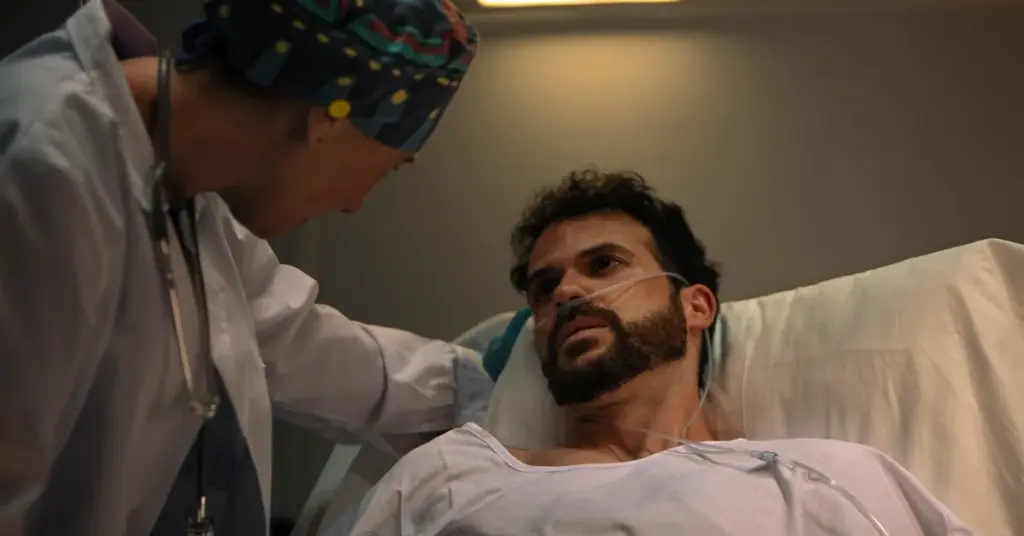
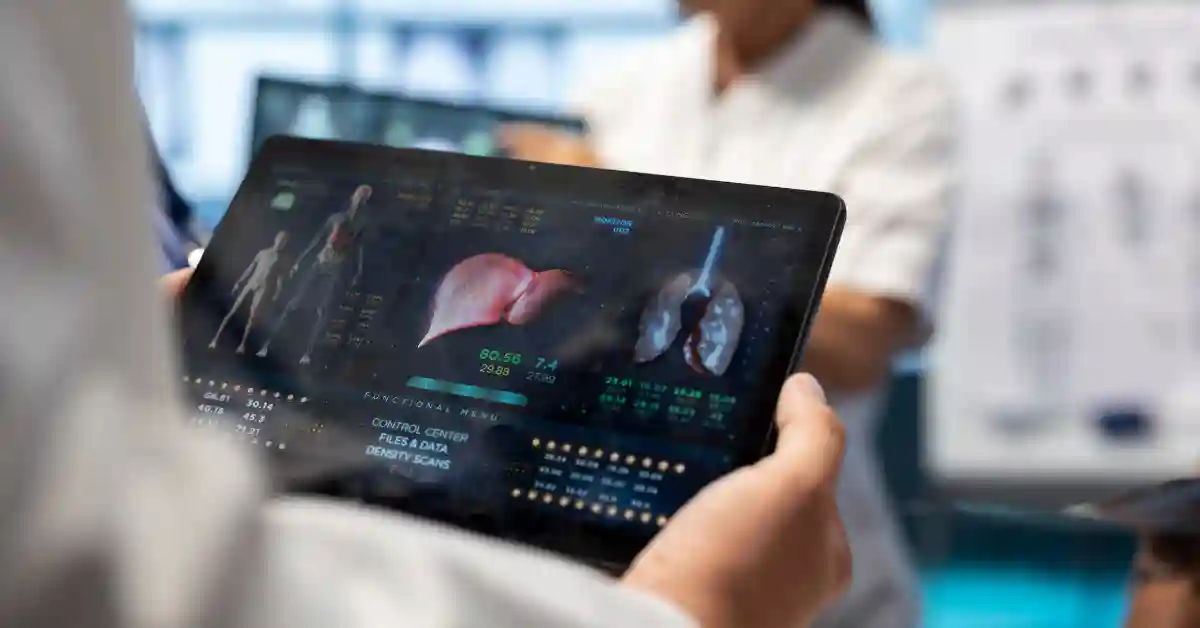
The first days following surgery or treatment are often focused on stabilization, monitoring, and preventing complications. Healthcare teams closely monitor vital signs, manage pain, assess healing, and encourage early movement whenever appropriate. Even simple activities such as sitting up, standing, or walking short distances can play an important role in preventing complications and promoting recovery. Patients also receive education regarding medications, wound care, nutritional needs, activity restrictions, and discharge planning. Establishing healthy recovery habits during this early phase often lays the foundation for successful long term rehabilitation.

Physical Rehabilitation and Strength Building

Many patients experience weakness, fatigue, and reduced physical endurance following major medical treatment. Physical rehabilitation programs are designed to gradually rebuild strength, mobility, flexibility, balance, and cardiovascular fitness. Activities are carefully tailored to each individual's medical condition, treatment history, and rehabilitation goals. Recovery is not about returning to intense activity immediately. Instead, it focuses on steady, sustainable progress that allows patients to safely regain function without overexertion. As strength improves, patients often experience greater confidence, independence, and participation in daily life.

Nutritional Recovery and Healing

Nutrition is one of the most important components of successful recovery. The body requires adequate calories, protein, vitamins, minerals, and fluids to support tissue repair, immune function, and energy production. Poor nutritional status can delay healing and increase the risk of complications.

Nutritional Priority Purpose
Adequate Protein Supports tissue repair
Balanced Calories Provides recovery energy
Vitamins and Minerals Promote healing
Proper Hydration Supports body functions
Healthy Eating Habits Encourage long term wellness

Personalized nutritional guidance helps ensure that patients receive the nutrients necessary to support optimal healing and rehabilitation.

Emotional and Psychological Support

Recovery involves more than physical healing. Many patients experience anxiety, frustration, uncertainty, or emotional stress following major treatment. Concerns about recovery speed, future health, lifestyle changes, and returning to normal activities are common. Psychological support, counseling services, patient education, and family involvement can help individuals navigate these challenges more effectively. Addressing emotional well being often improves motivation, treatment adherence, and overall recovery outcomes. A positive support system can be just as valuable as physical rehabilitation during the healing journey.

Managing Pain and Discomfort

Effective pain management is an important part of recovery and rehabilitation. When pain is appropriately controlled, patients are often more comfortable participating in physical activity, performing rehabilitation exercises, and resuming everyday activities. Modern recovery programs utilize a combination of medication management, physical therapy techniques, positioning strategies, and supportive care measures to improve comfort while minimizing potential side effects. The objective is not simply to reduce pain but to support active participation in the recovery process.

Recovery Milestones Patients Commonly Experience

Recovery is often easier to understand when viewed through milestones rather than fixed timelines. These milestones help patients recognize progress, celebrate achievements, and maintain realistic expectations throughout rehabilitation.

Milestone Significance
Walking Independently Improved mobility and confidence
Better Appetite Positive nutritional recovery
Reduced Pain Levels Progressing healing process
Increased Energy Improved physical recovery
Returning to Daily Tasks Greater independence
Resuming Work or Social Activities Enhanced quality of life

Every recovery journey is unique, and milestones may occur at different times depending on the individual's health status and treatment history.

Recovery After Liver Transplantation

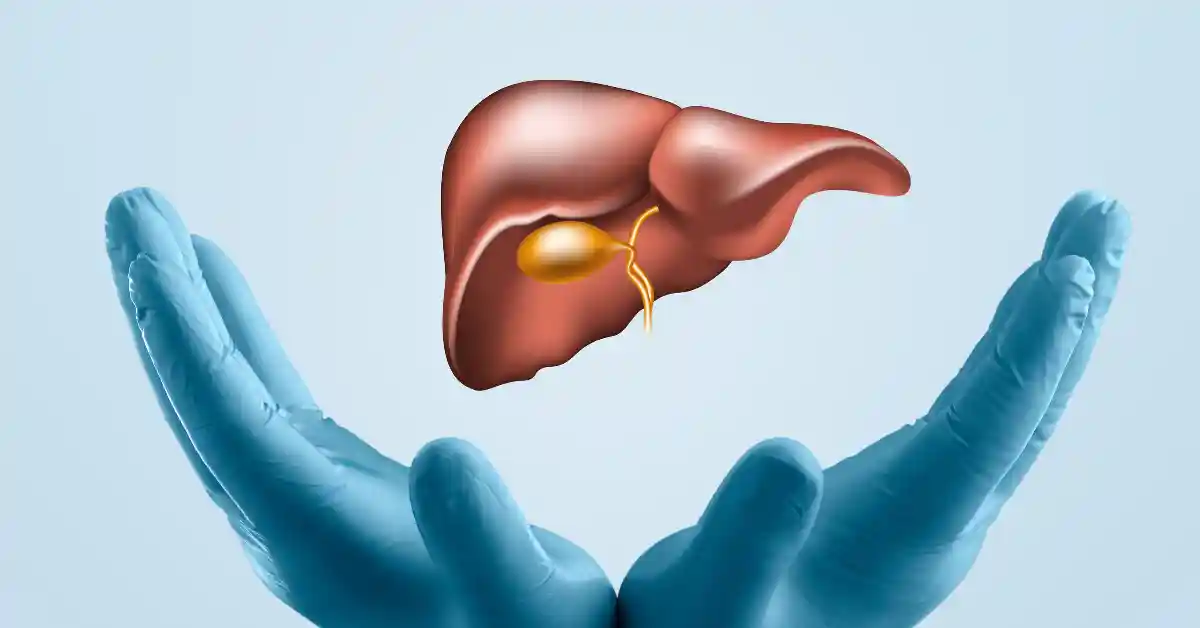
Recovery following liver transplantation requires close medical supervision and long term commitment. Patients must adapt to lifelong medication schedules, routine laboratory monitoring, and regular follow up appointments. Healthcare teams carefully monitor for signs of organ rejection, infection, medication related side effects, and overall liver function. Although recovery can be demanding, many transplant recipients gradually return to work, travel, exercise, and family life. Ongoing support and adherence to medical recommendations remain key to long term transplant success.

Recovery After Hepatobiliary Surgery

Recovery following hepatobiliary surgery varies depending on the type and complexity of the procedure. Patients may initially experience fatigue, temporary changes in appetite, reduced stamina, and activity limitations. Most individuals benefit from gradual increases in physical activity, balanced nutrition, effective pain management, and routine medical follow up. As healing progresses, patients are typically able to return to their normal activities while continuing to focus on maintaining overall health and well being.

Factors That Influence Recovery

Every patient's recovery experience is unique. Several factors can affect the speed and effectiveness of rehabilitation, including overall health, age, nutritional status, physical conditioning, procedure complexity, and adherence to treatment recommendations.

Factor Potential Impact
Age May influence recovery speed
Overall Health Affects healing capacity
Nutritional Status Supports tissue repair
Physical Activity Level Influences strength recovery
Procedure Complexity Determines rehabilitation needs
Family Support Encourages adherence and motivation

Recognizing these influences helps healthcare teams create individualized recovery plans tailored to each patient's needs.

Signs of Healthy Recovery and When to Seek Medical Attention

Most patients experience gradual improvement as they recover. Understanding the difference between expected recovery symptoms and warning signs can help patients feel more confident throughout the rehabilitation process.

Signs of Healthy Recovery

  • Gradually increasing strength and mobility.
  • Improving appetite and nutritional intake.
  • Stable or improving energy levels.
  • Progressive wound healing.
  • Greater participation in daily activities.

When to Contact your Healthcare Team

Warning Sign Why it Matters
Persistent Fever May indicate infection
Increasing Pain Could signal complications
Shortness of Breath Requires prompt assessment
Significant Swelling May need medical evaluation
New Jaundice Symptoms Could indicate liver related concerns
Sudden Functional Decline Requires immediate review

Early recognition and timely medical attention can help prevent complications and support safer recovery.

Key Takeaways

Key Point Summary
Recovery Is a Journey Healing continues beyond treatment
Rehabilitation Supports Progress Restores function and independence
Nutrition Matters Essential for healing and strength
Physical Activity Is Important Promotes mobility and recovery
Emotional Support Helps Supports overall well being
Early Intervention Matters Helps address complications promptly
Long Term Follow Up Is Valuable Encourages sustained recovery

Expert Insight

The most successful recoveries occur when medical treatment is combined with structured rehabilitation, nutritional support, physical activity, and ongoing patient engagement. Recovery is not about returning to where you were before it is about achieving the best possible quality of life moving forward.

Conclusion

Recovery and rehabilitation are essential components of the healing journey following major medical treatment or surgery. While treatment addresses the underlying condition, rehabilitation helps patients rebuild strength, restore independence, and regain confidence in their daily lives. For many patients, recovery is not defined by a specific date but by meaningful progress over time. Every step forward whether it is walking independently, regaining energy, returning to work, or resuming family activities represents an important milestone on the path toward wellness. Through personalized care, multidisciplinary support, nutritional guidance, physical rehabilitation, and ongoing monitoring, a comprehensive Recovery & Rehabilitation Program empowers patients to achieve lasting improvements in health, function, and quality of life.

Frequently Asked Questions

Recovery timelines vary depending on the procedure performed, overall health, and individual healing progress. Some patients recover within weeks, while others may require several months of rehabilitation.

Rehabilitation helps restore physical function, improve strength, prevent complications, and support long-term recovery and independence.

Yes. Proper nutrition provides the energy and nutrients necessary for tissue repair, immune function, and overall healing.

The timing varies based on the type of procedure, recovery progress, and the physical demands of your job. Your healthcare team will provide personalized recommendations.

Absolutely. Emotional well-being is an important component of recovery and is often supported through counseling, education, family involvement, and support services.

Improved mobility, increasing energy levels, better appetite, reduced pain, and the ability to resume daily activities are all common indicators of healthy recovery.

Learn recovery steps, medications, nutrition, follow up care, and lifestyle habits for long term transplant
Recovery and rehabilitation programs provide personalized care, guided therapy, and ongoing support for improved health and long term wellness.

Conditions Treated

Comprehensive medical care for a wide range of conditions, focused on recovery, symptom management, and long-term wellness.

Read Next

Discover lifelong strategies, medications, monitoring, and healthy habits to maintain
Learn recovery steps, medications, nutrition, follow up care, and lifestyle
Get ready for liver transplant surgery with practical steps, nutrition,
Learn the differences, benefits, risks, and outcomes of living and
Explore liver transplant eligibility, evaluation criteria, and essential guidance to
Fatty liver disease develops due to excess fat buildup in