A liver transplant typically takes between six and twelve hours and is performed under general anaesthesia. Here is exactly what happens, step by step.
Step 1: Anaesthesia and Preparation
You are put to sleep using general anaesthesia. Monitors are attached to track your heart rate, blood pressure, and oxygen levels throughout the entire operation. An IV line and a breathing tube are also placed before surgery begins.
Step 2: Making the Incision
The surgeon makes a large incision across your upper abdomen typically in a chevron (double diagonal) or inverted-Y shape. This gives the surgical team full access to your liver and surrounding blood vessels.
Step 3: Removing the Diseased Liver (Hepatectomy)
Your damaged liver is carefully disconnected from the major blood vessels the hepatic artery, portal vein, and hepatic veins and from the bile ducts. This is the most technically demanding part of the operation, especially if there is heavy scarring or if you have had previous abdominal surgery.
Step 4: Positioning the Donor Liver
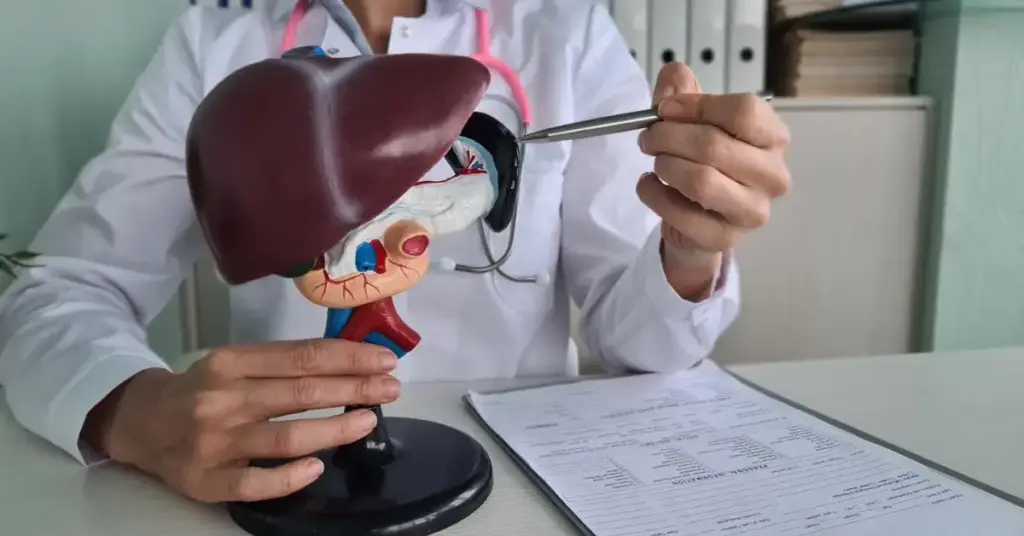
The healthy donor liver is placed into the correct position inside your abdomen. The surgical team works carefully to align it with your existing blood vessel structures before reconnecting anything.
Step 5: Reconnecting the Blood Vessels
All blood vessels are reconnected one by one starting with the hepatic veins, then the portal vein, and finally the hepatic artery. Once the clamps are released and blood begins flowing through the new liver, the team watches closely for bleeding and signs that the organ is working. A healthy liver begins producing bile almost immediately which is a very reassuring sign for the surgical team.
Step 6: Connecting the Bile Duct
The bile duct of the new liver is then connected either directly to your own bile duct or to a loop of small intestine. The choice depends on your anatomy and your surgeon's assessment during the operation.
Step 7: Closing the Incision
The surgical site is closed carefully with sutures and staples. Drainage tubes are usually left in place temporarily to prevent fluid build-up and to allow the team to monitor for any internal bleeding in the early recovery period.
Step 8: ICU Recovery
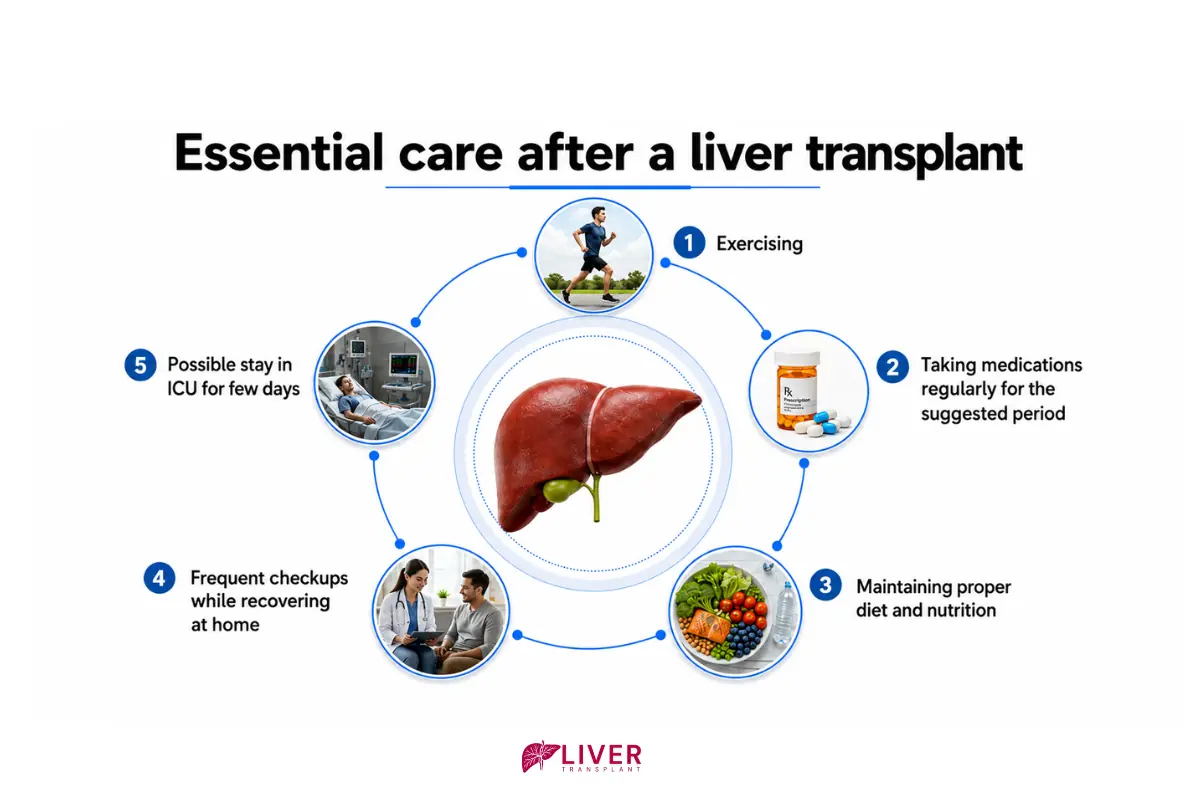
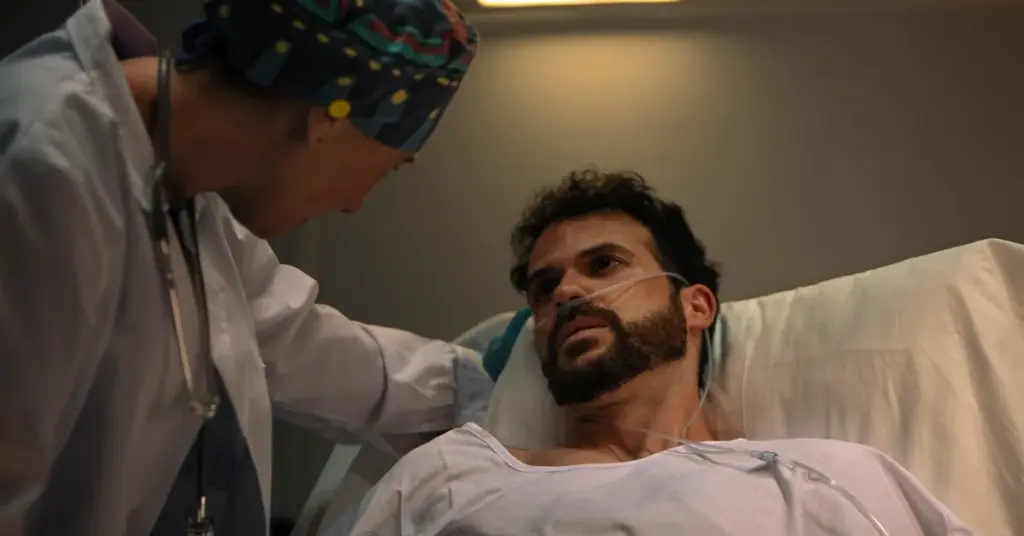
After surgery, you wake up in the Intensive Care Unit (ICU) with tubes, monitors, and a breathing support machine in place. Most patients spend two to three days in the ICU under close observation before moving to a general ward. The total hospital stay is typically two to three weeks.