Liver Cancer

Every year, hundreds of thousands of people worldwide receive a liver cancer diagnosis. For many of them, the news comes late after months or even years of vague, easy to dismiss symptoms that never quite pointed clearly to the liver. That delay is one of the most dangerous aspects of this disease.

Liver cancer is serious. But it is also a condition that medicine has made real progress against through earlier detection, more precise surgical techniques, targeted drug therapies, and a much deeper understanding of what drives it. People diagnosed today have more options than at any point in history.

This guide covers everything you need to understand about liver cancer what it is, who is at risk, how it develops, how it is found, and what treatment looks like. Whether you are researching for yourself or for someone you care about, the goal here is clarity not alarm.
What is Liver Cancer?

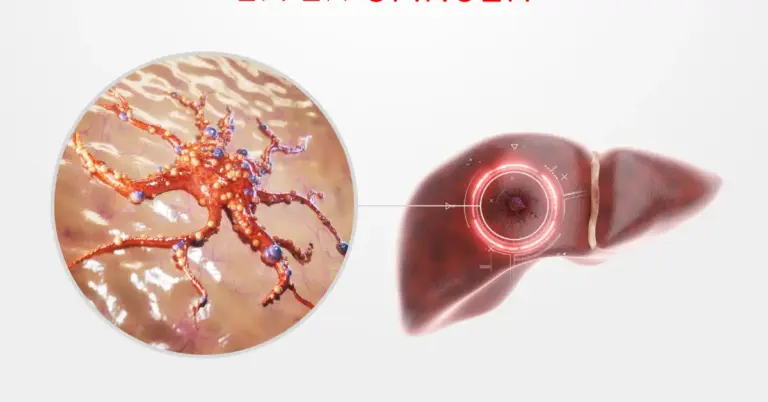
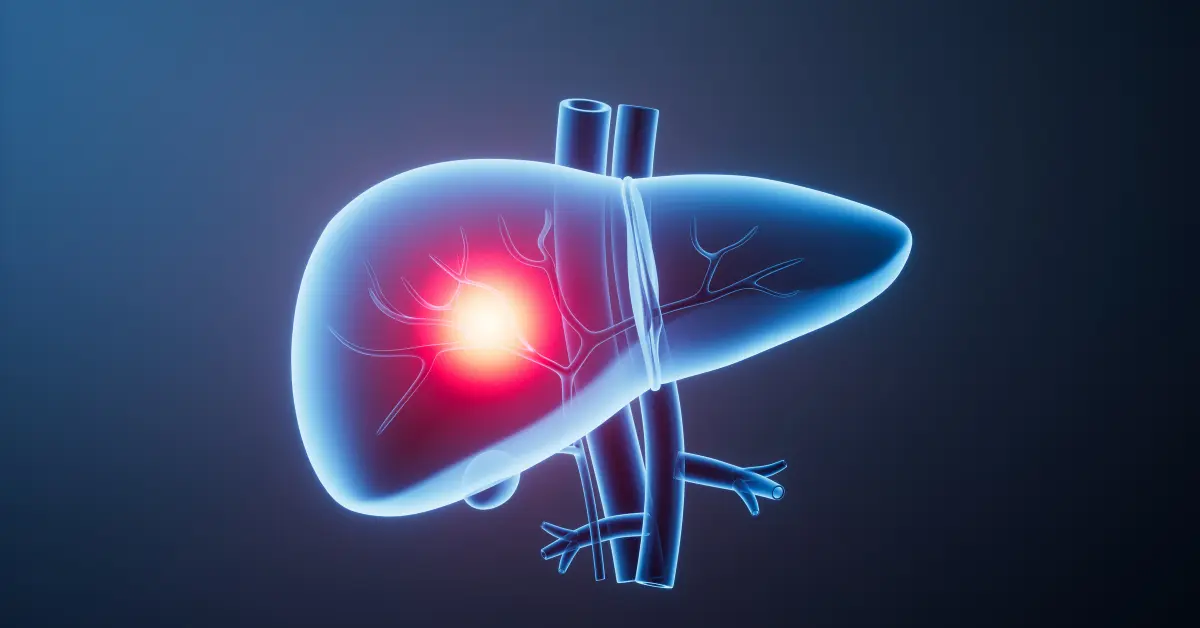
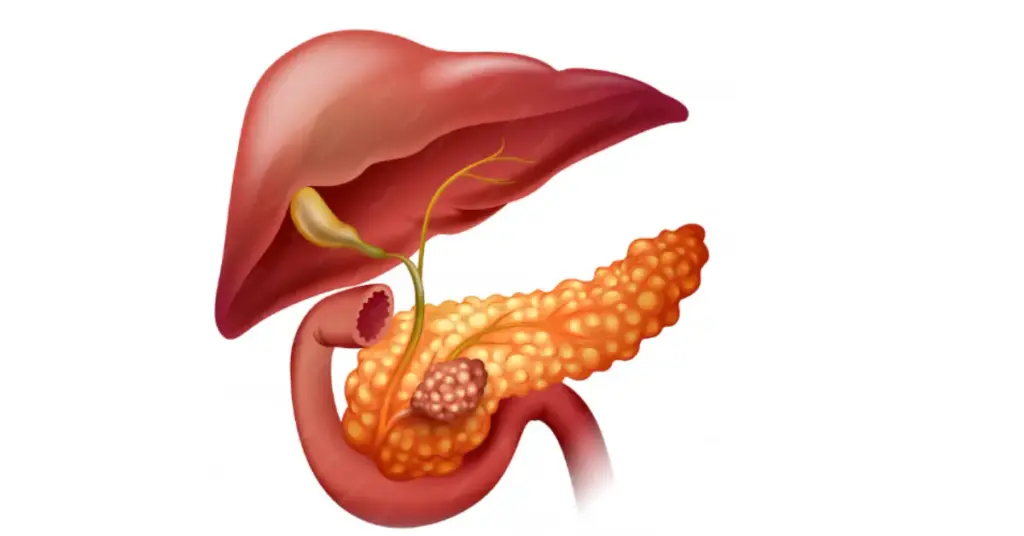
  • Liver cancer is a malignancy that originates in the cells of the liver. The liver sits in the upper right portion of the abdomen, tucked beneath the ribcage, and it performs over 500 functions filtering toxins from the blood, producing bile for digestion, regulating blood sugar, synthesising proteins, and storing energy. It is one of the most metabolically active organs in the human body.
  • When cells in the liver begin to grow and divide abnormally bypassing the normal controls that regulate cell growth a tumour forms. If that tumour originates within the liver itself, it is called primary liver cancer. If cancer starts somewhere else in the body and spreads to the liver, it is called secondary or metastatic liver cancer. These are fundamentally different diseases with different treatment approaches, and the distinction matters.
  • Primary liver cancer is what this guide focuses on. It is among the most common cancers globally and one of the leading causes of cancer related death worldwide, largely because it often develops silently in the context of existing liver disease and by the time it is found, it has sometimes already progressed.

Types of Liver Cancer

Not all liver cancers are the same. They arise from different cell types within the liver and behave differently in terms of how they grow, spread, and respond to treatment.

  • Hepato Cellular Carcinoma (HCC) is by far the most common type, accounting for roughly 75 to 85 percent of all primary liver cancers. It develops from hepatocytes the main functional cells of the liver. HCC almost always arises in the context of underlying liver disease, particularly cirrhosis caused by chronic hepatitis B, hepatitis C, or alcohol-related liver damage. It is the type most people are referring to when they talk about liver cancer.
  • Intrahepatic Cholangiocarcinoma is a cancer of the bile ducts that run inside the liver. It is the second most common primary liver cancer, though significantly rarer than HCC. It tends to be diagnosed at a later stage because it produces symptoms even less reliably than HCC, and it often behaves more aggressively.
  • Hepatoblastoma is a rare liver cancer that occurs almost exclusively in young children, typically under the age of three. It is the most common liver cancer in the paediatric population and, when caught early, has a relatively favourable prognosis with combined surgical and chemotherapy treatment.
  • Angiosarcoma and Haemangiosarcoma are extremely rare cancers that arise from the blood vessels within the liver. They tend to grow rapidly and are usually diagnosed at an advanced stage.

What are Liver Cancer Symptoms?

  • Liver cancer shares the same frustrating characteristic as many other liver conditions it tends to be silent until it reaches a stage where treatment becomes more difficult. The liver's enormous functional capacity means it can accommodate significant tumour growth before its performance is noticeably affected.
  • When symptoms do appear, they are often non specific the kind of complaints that could belong to dozens of different conditions and that most people attribute to stress, aging, or digestive issues.
  • The most commonly reported symptoms include unexplained weight loss over a period of weeks or months without changes to diet or activity. Persistent fatigue and generalised weakness that does not improve with rest is another frequently reported complaint. A dull, aching pain or sense of pressure in the upper right abdomen directly over where the liver sits may come and go or remain constant.
  • Loss of appetite is common, sometimes accompanied by a feeling of fullness after eating only a small amount. Nausea, particularly without an obvious dietary cause, can occur. Some patients notice their abdomen becoming visibly enlarged this can be due to tumour growth, fluid accumulation (ascites), or both.
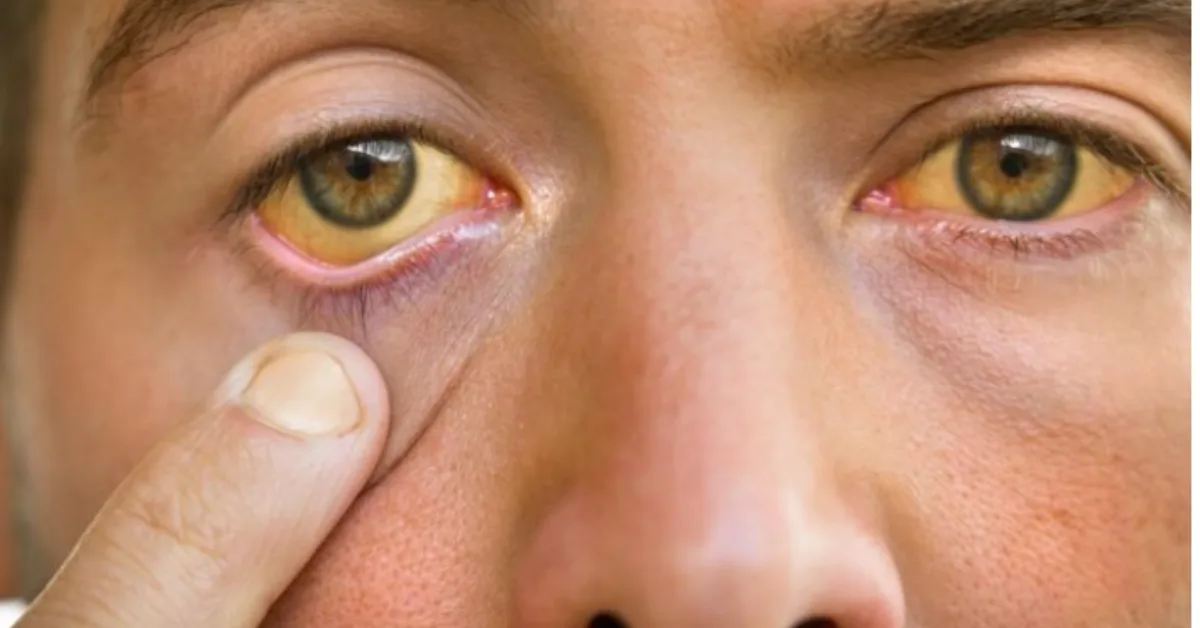
  • As the disease progresses or in cases where liver function is significantly impaired, more definitive signs appear. Jaundice the yellowing of the skin and the whites of the eyes occurs when the liver can no longer process bilirubin effectively. Pale or chalky stools and dark, tea coloured urine often accompany jaundice. Fever without an obvious infection is another symptom seen in some patients.

What are the Early Warning Signs of Liver Cancer?

  • The challenge with early warning signs is that they are subtle enough to be dismissed and because liver cancer most commonly develops in people who already have chronic liver disease, some of the early changes can be mistaken for a flare up of the existing condition.
  • That said, there are specific changes that should prompt urgent medical evaluation, particularly in anyone with known liver disease or risk factors.
  • A new or changing pain in the upper right abdomen that feels different from anything experienced before deserves investigation. Unexpected and unintentional weight loss particularly losing more than five percent of body weight within six months without trying is a red flag across multiple cancer types, including liver cancer.
  • Sudden worsening of liver related symptoms in someone with previously stable cirrhosis or hepatitis such as new jaundice, a sudden increase in abdominal swelling, or new confusion can sometimes indicate the development of HCC on a background of existing liver disease.
  • A palpable lump or fullness in the upper right abdomen, felt either by the patient themselves or by a doctor during physical examination, warrants imaging.
  • The single most effective way to catch liver cancer early is regular surveillance in people who are already known to be at high risk specifically those with cirrhosis or chronic hepatitis B infection. An ultrasound and a blood test for a tumour marker called alpha fetoprotein (AFP) every six months is the standard surveillance protocol and has been shown to detect tumours at earlier, more treatable stages.

Liver Cancer Causes

  • Understanding liver cancer causes is essential not just for academic knowledge, but because most of the major drivers of liver cancer are either preventable or manageable.
  • At the cellular level, liver cancer develops when the DNA inside liver cells accumulates mutations that disable the normal controls on cell growth and division. Over time, affected cells replicate uncontrollably, forming a tumour. The question is what causes those mutations to accumulate and in the case of liver cancer, the answer is almost always chronic injury and inflammation.
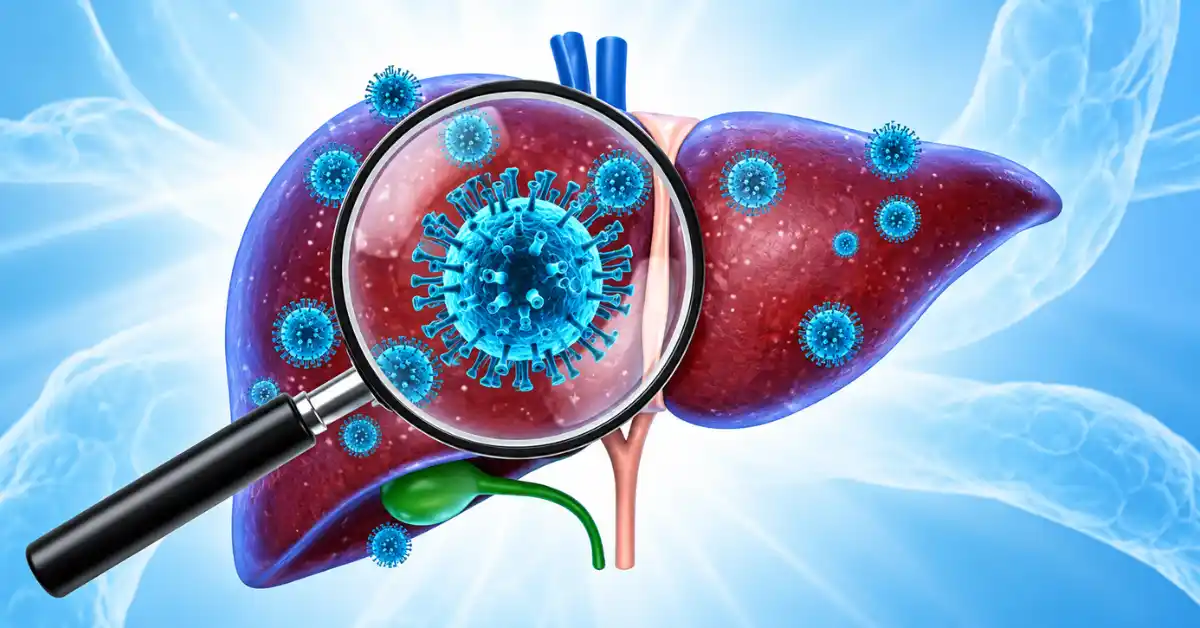
  • Chronic Hepatitis B Virus (HBV) infection is the single leading cause of hepatocellular carcinoma globally, responsible for the majority of cases in Asia and sub Saharan Africa. The virus integrates directly into the DNA of liver cells, disrupting normal gene regulation and promoting malignant transformation even in the absence of cirrhosis, which makes HBV related HCC particularly dangerous and harder to predict.
  • Chronic hepatitis C virus (HCV) infection works differently it does not integrate into liver cell DNA, but causes HCC through decades of chronic inflammation, liver cell death, and regeneration that eventually leads to cirrhosis. Almost all HCV related liver cancers develop in the context of established cirrhosis.
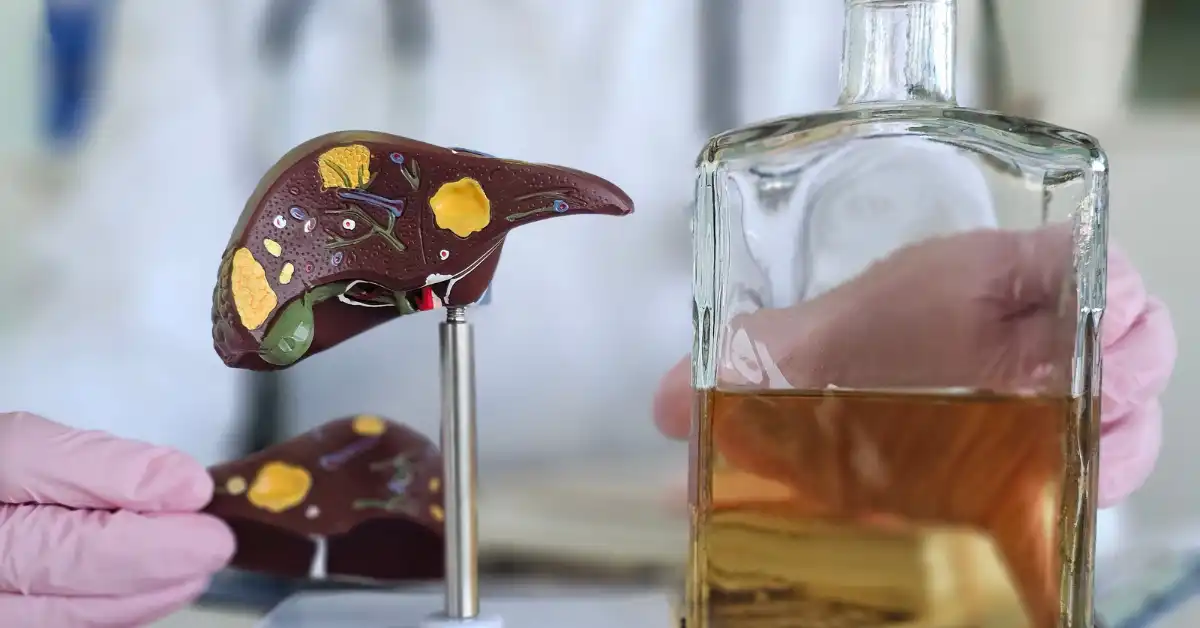
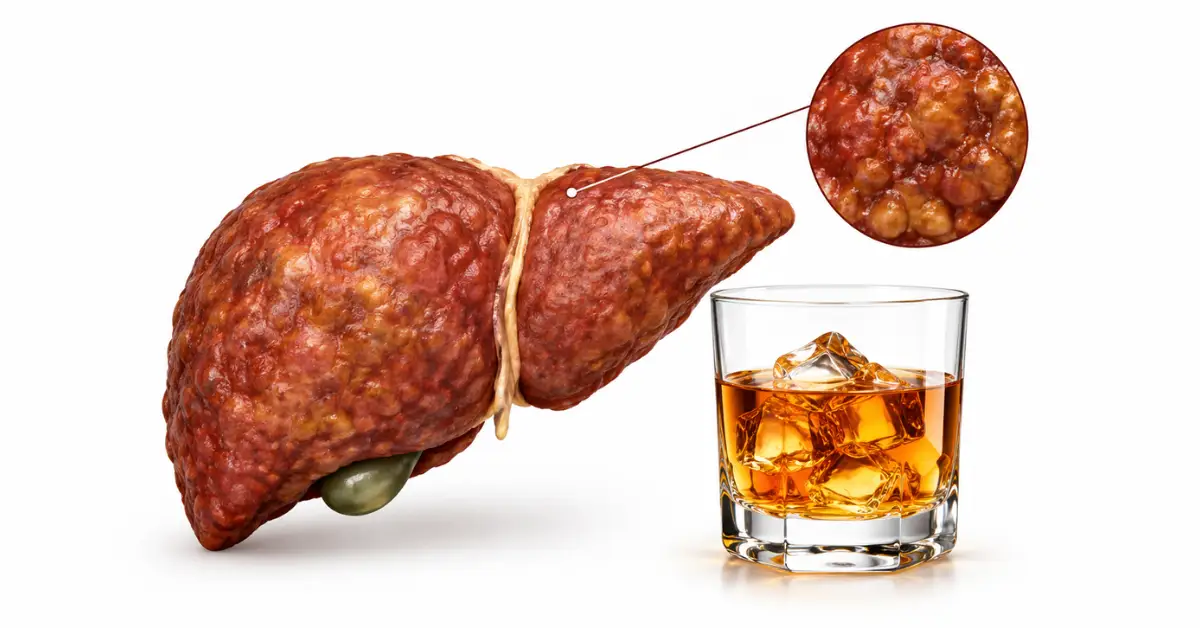
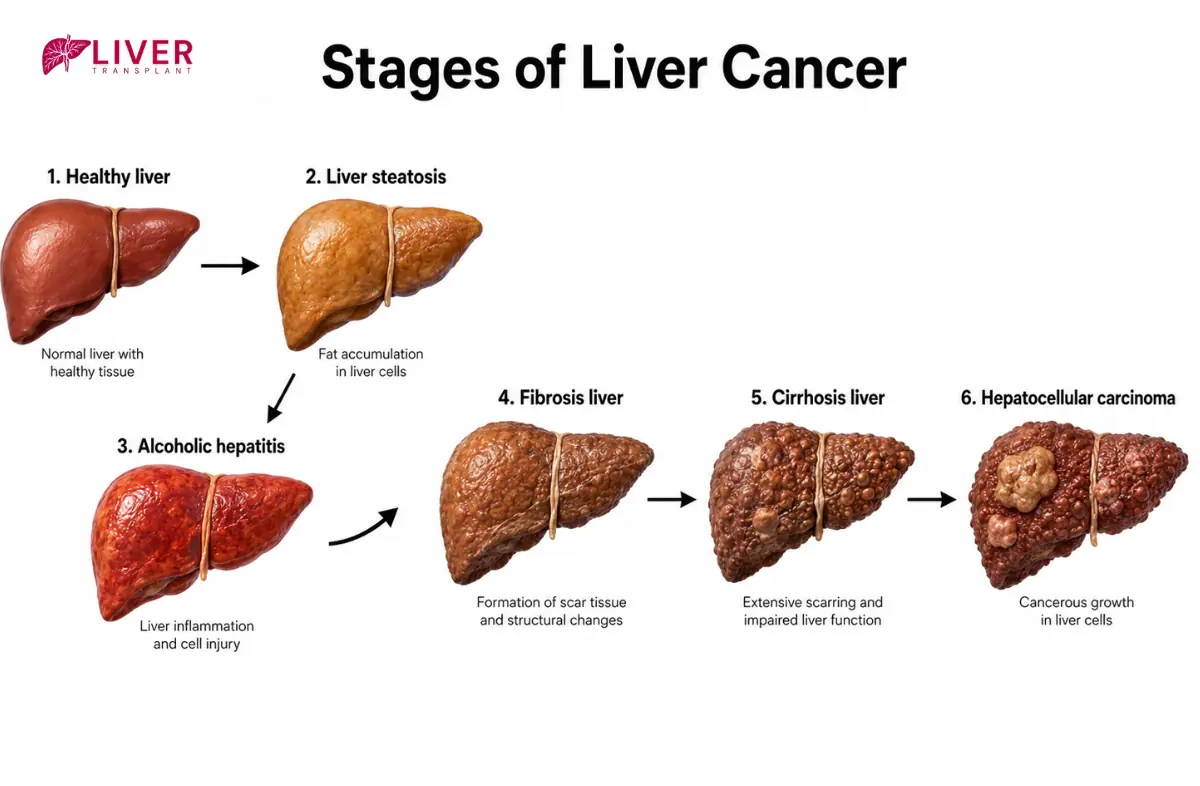
  • Alcohol related cirrhosis is a major driver of liver cancer in Western countries. Long term heavy alcohol use destroys liver cells and replaces them with scar tissue. This scarred, regenerating environment is highly susceptible to malignant transformation.
  • Non alcoholic steatohepatitis (NASH) the inflammatory form of fatty liver disease is an increasingly significant cause. As rates of obesity and metabolic syndrome climb globally, NASH related liver cancer is rising in parallel, and it is becoming one of the leading indications for liver transplantation in many countries.
  • Aflatoxin exposure contamination of food crops (particularly maize and groundnuts) with a toxin produced by Aspergillus moulds is a significant risk factor in parts of Africa and Asia. Aflatoxin is one of the most potent known liver carcinogens.

Risk Factors for Liver Cancer

  • Risk factors overlap significantly with causes but are worth considering separately, as some increase susceptibility without directly causing the cancer themselves.
  • Cirrhosis from any cause whether alcohol, viral hepatitis, NASH, autoimmune hepatitis, or inherited metabolic conditions like hemochromatosis or Wilson's disease is the single greatest risk factor for HCC. Around 80 percent of all hepatocellular carcinomas develop in cirrhotic livers.
  • Chronic hepatitis B or C infection, even without established cirrhosis, carries meaningful risk particularly HBV, as noted above.
  • Type 2 diabetes independently increases liver cancer risk, likely through its association with NASH, insulin resistance, and the inflammatory metabolic environment they create.
  • Obesity raises risk both directly and through its promotion of NAFLD and NASH.
  • Male sex is a consistent risk factor liver cancer is two to three times more common in men than in women, a disparity that is not fully explained but is likely related to differences in hormonal environments, alcohol consumption patterns, and body fat distribution.
  • Family history of liver cancer in a first degree relative modestly increases personal risk, though the genetic contribution to liver cancer is less pronounced than in some other malignancies.
  • Long term use of anabolic steroids has been associated with benign liver tumours and, in some cases, with HCC.

How Doctors Diagnose Liver Cancer

Diagnosing liver cancer requires a combination of blood tests, imaging, and in many cases tissue sampling. The diagnostic pathway often begins with surveillance in high risk patients or with incidental findings on imaging done for another reason.

  • Blood Tests include liver function tests and tumour markers. Alpha Feto Protein (AFP) is the most widely used marker for HCC. Elevated AFP levels in the context of liver disease and a suspicious liver mass strongly suggest HCC, though AFP is not elevated in all cases around 30 to 40 percent of HCCs produce no AFP elevation, which is why imaging is essential alongside blood tests.
  • Ultrasound is the frontline imaging tool for surveillance and initial evaluation. It is widely available, inexpensive, and can detect liver masses. However, its sensitivity for small tumours and its ability to characterise masses in detail is limited, which is why a suspicious ultrasound finding is always followed up with more advanced imaging.
  • CT Scan With Contrast provides detailed cross sectional images of the liver and surrounding structures. The characteristic enhancement pattern of HCC on a multiphasic CT scan a specific pattern of how the tumour appears with and without contrast dye is so distinctive that it can confirm the diagnosis of HCC without a biopsy in many cases.
  • MRI With Contrast offers even greater soft tissue detail than CT and is particularly valuable for characterising small or atypical lesions. MRI with liver specific contrast agents is increasingly the preferred diagnostic tool in specialist centres.
  • Liver Biopsy obtaining a small tissue sample for microscopic examination is the definitive diagnostic test and is required in cases where imaging findings are atypical or inconclusive. In cases where imaging findings meet strict diagnostic criteria for HCC, biopsy is often not required and may even be avoided to prevent the theoretical risk of tumour seeding along the biopsy tract.

What are the Stages of Liver Cancer?

Staging in liver cancer is more complex than in many other cancers because it must account not only for the tumour itself but also for the underlying liver function a person with severe cirrhosis may not tolerate a treatment that would be straightforward in someone with a healthy liver. Several staging systems are used. The Barcelona Clinic Liver Cancer (BCLC) system is the most widely adopted internationally because it integrates tumour characteristics, liver function, and patient performance status to guide treatment decisions.

  • Very Early Stage (BCLC 0) describes a single tumour smaller than 2 cm in a patient with well preserved liver function. Curative treatment is highly achievable.
  • Early Stage (BCLC A) involves either a single tumour of any size or up to three tumours each smaller than 3 cm, with preserved liver function. Curative options remain viable.
  • Intermediate Stage (BCLC B) involves larger or more numerous tumours without vascular invasion or spread beyond the liver. Liver function remains reasonably preserved. Curative surgery is not typically possible, but locoregional therapies can offer significant disease control.
  • Advanced Stage (BCLC C) involves vascular invasion cancer growing into the portal vein or spread to lymph nodes or distant organs. Systemic therapies are the primary treatment approach.
  • Terminal Stage (BCLC D) describes patients with severely impaired liver function and significant symptoms, where the priority shifts from treating the cancer to managing quality of life and symptoms.

What Treatment is Provided for Liver Cancer?

Liver cancer treatment has advanced considerably over the past decade, with a growing range of options that can be combined and tailored to each patient's specific situation. The right treatment depends on the stage of the cancer, the degree of underlying liver disease, and the patient's overall health and fitness.

  • Surgical Resection removing the portion of the liver containing the tumour offers the best chance of cure in patients with early stage HCC and sufficient healthy liver tissue. The liver's remarkable ability to regenerate means that up to 70 percent of the organ can be removed and the remainder will grow back to near normal size. However, most patients with HCC have underlying cirrhosis, which limits how much liver can safely be removed.
  • Liver Transplantation is an option for selected patients typically those with tumours that meet the Milan criteria (one tumour up to 5 cm, or up to three tumours each under 3 cm, without vascular invasion or spread). Transplantation removes both the cancer and the diseased liver that gave rise to it, offering both a cure and treatment of the underlying liver disease simultaneously. Long term outcomes are excellent for appropriately selected patients.
  • Ablation Therapies destroy tumour tissue without surgical removal. Radiofrequency ablation (RFA) uses heat generated by electrical current; microwave ablation uses microwave energy. Both are delivered via a needle inserted directly into the tumour, guided by ultrasound or CT imaging. They are effective for small tumours and are used in patients who are not surgical candidates.
  • Transarterial Chemoembolisation (TACE) is the standard treatment for intermediate stage HCC. It involves threading a catheter through the femoral artery into the hepatic artery supplying the tumour, then injecting chemotherapy directly into the tumour's blood supply followed by particles that block that supply starving the tumour of nutrients while delivering high dose chemotherapy directly to it.
  • Transarterial Radioembolisation (TARE) uses a similar catheter based approach but delivers tiny radioactive beads (yttrium 90) directly to the tumour. It is particularly useful for larger tumours or those involving the portal vein and is increasingly available at specialist centres.
  • Systemic Therapies are used for advanced stage disease. Sorafenib was the first targeted therapy approved for advanced HCC and remained the standard of care for over a decade. More recently, atezolizumab combined with bevacizumab an immunotherapy plus anti angiogenic combination has become the preferred first line treatment for advanced HCC based on superior survival outcomes. Several other immunotherapy combinations and targeted agents are now available for second line treatment.
  • Radiation Therapy traditionally limited in liver cancer due to the liver's sensitivity to radiation, has evolved significantly with the development of stereotactic body radiation therapy (SBRT), which delivers highly focused, high dose radiation with great precision, minimising damage to surrounding healthy liver tissue.

How Can you Prevent Liver Cancer?

The encouraging reality about liver cancer is that the majority of cases are linked to identifiable, modifiable risk factors. Prevention is genuinely achievable for a large proportion of at risk individuals.

  • Hepatitis B Vaccination is the most powerful tool available. The hepatitis B vaccine is safe, effective, highly affordable, and part of the routine childhood immunisation schedule in most countries. Adults who were not vaccinated in childhood and who are at risk through occupational exposure, sexual contact, or household contact with an infected person should be vaccinated. Widespread HBV vaccination has already produced measurable reductions in liver cancer rates in countries that implemented it decades ago.
  • Hepatitis C Treatment has been transformed by direct acting antiviral drugs, which can cure hepatitis C in over 95 percent of patients with an eight to twelve week course of oral medication. Eliminating hepatitis C from the body significantly reduces though does not entirely eliminate the risk of subsequent liver cancer, particularly if treatment is successful before cirrhosis is established.
  • Reducing Alcohol Consumption is directly protective. For people with existing liver disease, complete abstinence is the safest choice. For those without liver disease, keeping alcohol intake within recommended guidelines meaningfully reduces the risk of developing cirrhosis and, by extension, liver cancer.
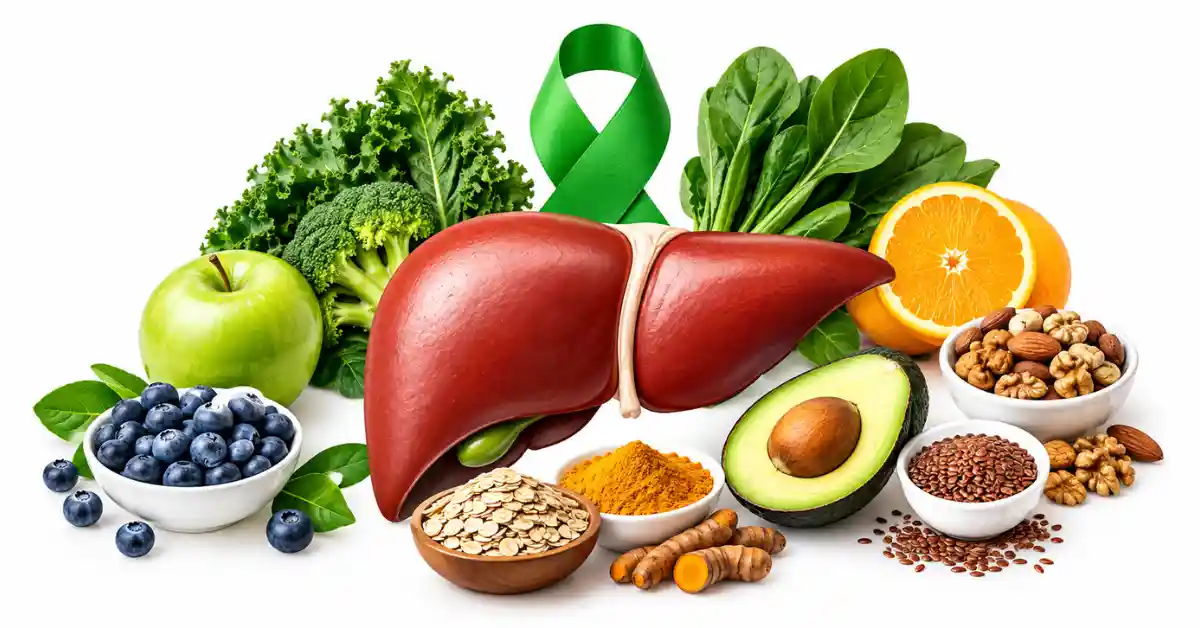
  • Managing Metabolic Health maintaining a healthy weight, eating a balanced diet, exercising regularly, and controlling blood sugar and cholesterol reduces the risk of NASH and NASH related cirrhosis, which is one of the fastest growing pathways to liver cancer.
  • Regular Surveillance for high risk individuals those with cirrhosis, chronic HBV infection, or a history of HCV related liver disease is not strictly prevention, but it is the most effective way to ensure that if liver cancer does develop, it is caught at a stage where curative treatment is still possible.
  • Avoiding Aflatoxin Exposure through proper food storage, avoiding mouldy grains and nuts, and using government regulated food supplies reduces exposure to one of the most potent dietary liver carcinogens.

Conclusion

Liver cancer is a serious diagnosis, but it is not one without options. Understanding liver cancer causes from chronic viral hepatitis and cirrhosis to metabolic disease and environmental toxins puts real power in the hands of individuals and healthcare systems alike, because so many of those causes can be addressed directly. The trajectory of liver cancer treatment has shifted meaningfully over the past decade. Surgical techniques have advanced, ablation and embolisation therapies have matured, and immunotherapy has opened up new possibilities for patients with advanced disease who previously had very limited options. Survival rates are improving, and the pipeline of new treatments is active.

What remains true and what matters most regardless of how treatment evolves is that earlier detection saves lives. For anyone with known risk factors, regular surveillance is not optional it is the most important thing that can be done. And for everyone else, the steps that protect the liver from cancer are the same steps that protect overall health: vaccines where available, sensible alcohol use, metabolic health, and honest conversations with your doctor about your personal risk.

Frequently Asked Questions

Life expectancy with liver cancer varies widely depending on the stage, liver function, overall health, and treatment options. Early stage liver cancer treated with surgery, ablation, or transplantation can allow many people to live for years. Advanced liver cancer generally has a poorer outlook, but newer treatments such as targeted therapies and immunotherapy may extend survival and improve quality of life.

Liver cancer can affect daily life by causing fatigue, weakness, abdominal pain, loss of appetite, nausea, and weight loss. Some people develop swelling in the abdomen or legs, jaundice, or difficulty concentrating. Symptoms and treatment side effects may reduce physical activity and work capacity. Emotional stress, frequent medical appointments, and lifestyle adjustments can also impact everyday routines.

Five common warning signs of liver cancer include unexplained weight loss, persistent abdominal pain or discomfort, loss of appetite, jaundice (yellowing of the skin and eyes), and swelling of the abdomen. Other symptoms may include fatigue, nausea, or a feeling of fullness after eating small amounts. Early liver cancer may cause few or no symptoms.

Liver cancer can be treated and sometimes eliminated through surgery, liver transplantation, tumor ablation, radiation therapy, targeted drugs, immunotherapy, or chemotherapy. The most effective treatment depends on the cancer stage and liver health. For some patients, removing or destroying the tumor can be curative. Early diagnosis greatly improves treatment success and the chances of long term survival.

No data was found
Liver cancer develops when abnormal liver cells grow uncontrollably, requiring timely diagnosis and personalized treatment options.

Conditions Treated

Comprehensive medical care for a wide range of conditions, focused on recovery, symptom management, and long-term wellness.

Read Next

Long Term Care After Liver Transplant
Discover lifelong strategies, medications, monitoring, and healthy habits to
Recovery After Liver Transplant
Learn recovery steps, medications, nutrition, follow up care, and
Preparing for Liver Transplant Surgery
Get ready for liver transplant surgery with practical steps,
Living Donor vs Deceased Donor Transplant
Learn the differences, benefits, risks, and outcomes of living
Understanding Liver Transplant Eligibility
Explore liver transplant eligibility, evaluation criteria, and essential guidance
Fatty Liver Disease Treatment
Fatty liver disease develops due to excess fat buildup