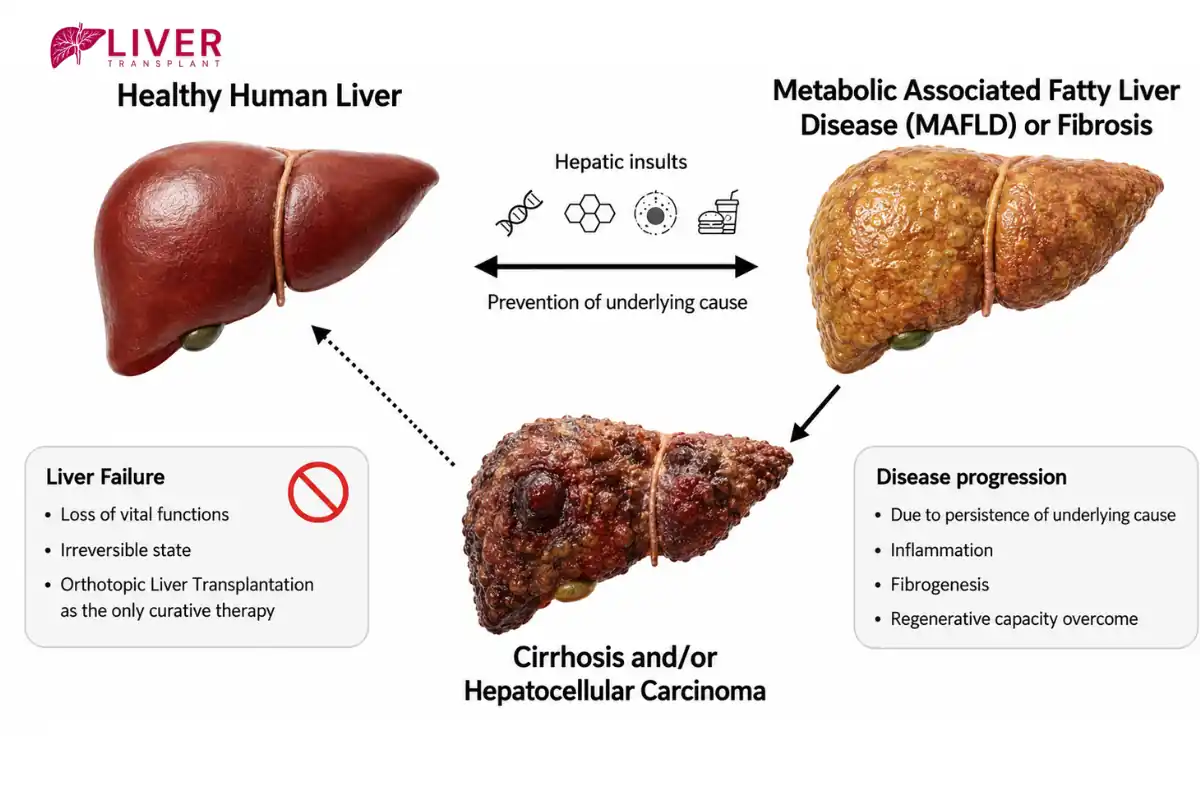
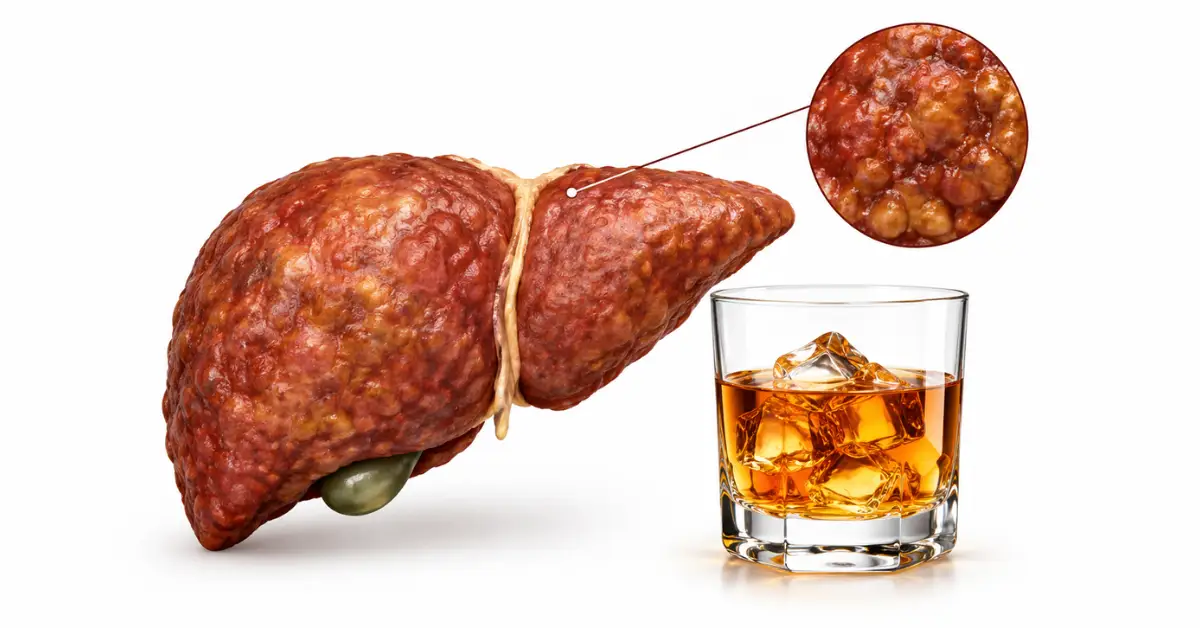
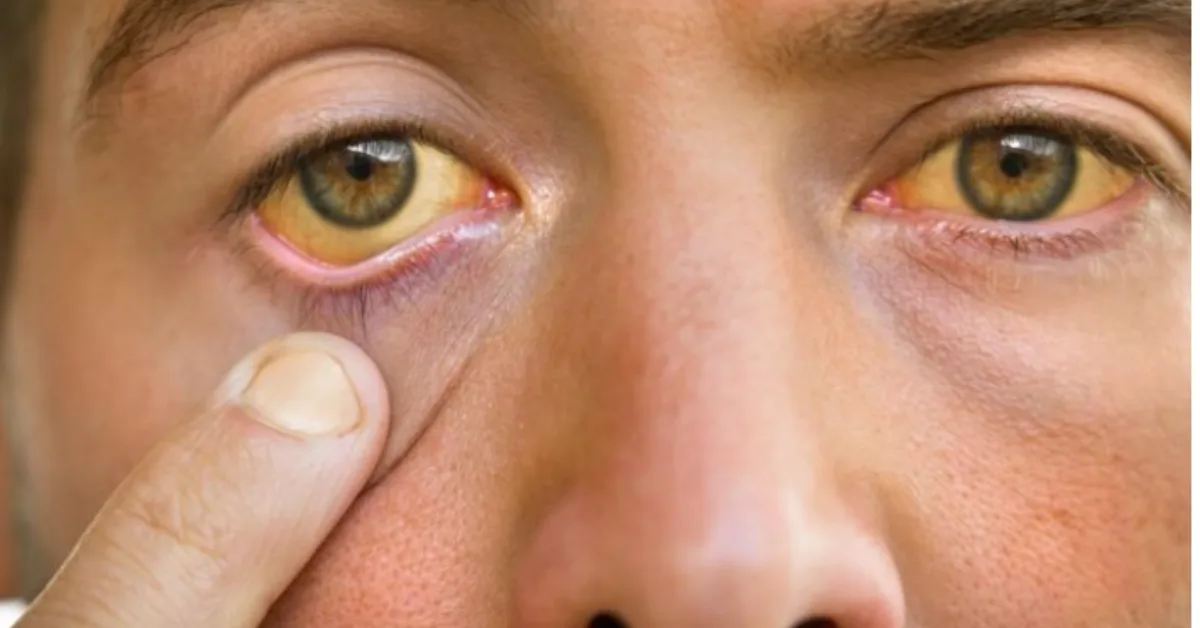
Diagnosing end-stage liver disease and accurately assessing its severity requires a combination of clinical assessment, laboratory tests, and imaging.
Blood tests form the foundation of assessment. Liver function tests — including bilirubin, albumin, and liver enzymes (ALT, AST, ALP, GGT) — provide a broad picture of liver health. Coagulation tests (particularly the INR — International Normalised Ratio) assess clotting factor production. A full blood count typically shows low platelet counts due to an enlarged spleen. Kidney function tests (creatinine, urea) monitor for hepatorenal syndrome.
The MELD score (Model for End-Stage Liver Disease) is the most widely used tool for quantifying disease severity and predicting short-term mortality. It is calculated from three blood values — creatinine, bilirubin, and INR — and produces a score from 6 to 40. Higher scores indicate more severe disease and higher short-term mortality risk. The MELD score is used internationally to prioritise patients on liver transplant waiting lists.
The Child-Pugh score is an older but still widely used scoring system that incorporates bilirubin, albumin, INR, the presence of ascites, and the degree of encephalopathy to classify liver disease into three grades of severity — A (compensated), B (moderate decompensation), and C (severe decompensation).
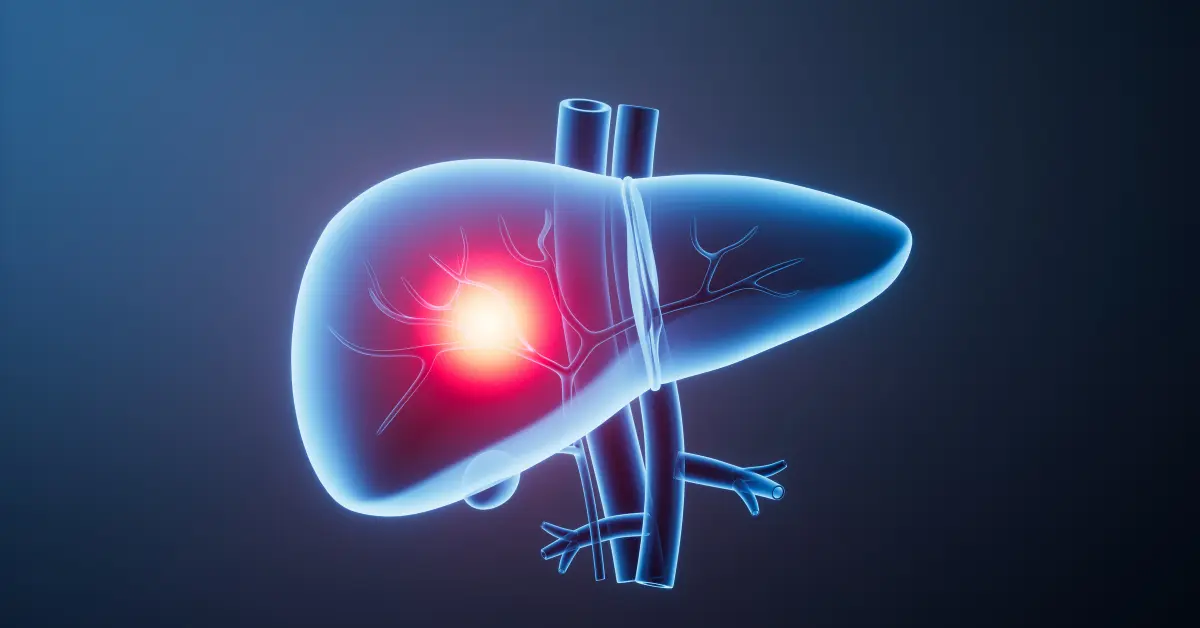
Ultrasound imaging assesses liver size, shape, and texture, detects ascites, evaluates portal vein blood flow, and screens for liver tumours. It is the primary surveillance tool for hepatocellular carcinoma in patients with cirrhosis.
CT and MRI scans provide more detailed anatomical information when clinically indicated — particularly for surgical planning, characterisation of liver masses, or evaluation of vascular complications.
Liver biopsy, while the gold standard for assessing fibrosis stage, is rarely performed in patients with established end-stage liver disease because coagulopathy increases the bleeding risk, and the clinical picture is usually sufficiently clear without it.
Endoscopy (gastroscopy) is performed to screen for oesophageal and gastric varices in all patients diagnosed with cirrhosis. Finding varices guides decisions about preventive treatment.