The treatment options for hepatitis B have expanded substantially over the past two decades, and the goals of treatment are clear: suppress viral replication, prevent liver inflammation, halt fibrosis progression, reduce the risk of cirrhosis and liver cancer, and where possible achieve functional cure.
Not every person with chronic hepatitis B requires immediate antiviral therapy. Treatment decisions are based on a combination of factors — viral load, ALT levels, degree of liver fibrosis, HBeAg status, age, and the phase of infection. Patients in the immune-tolerant phase with high viral loads but normal liver enzymes and no fibrosis may be monitored rather than treated immediately, though this approach is being increasingly reconsidered as evidence accumulates.
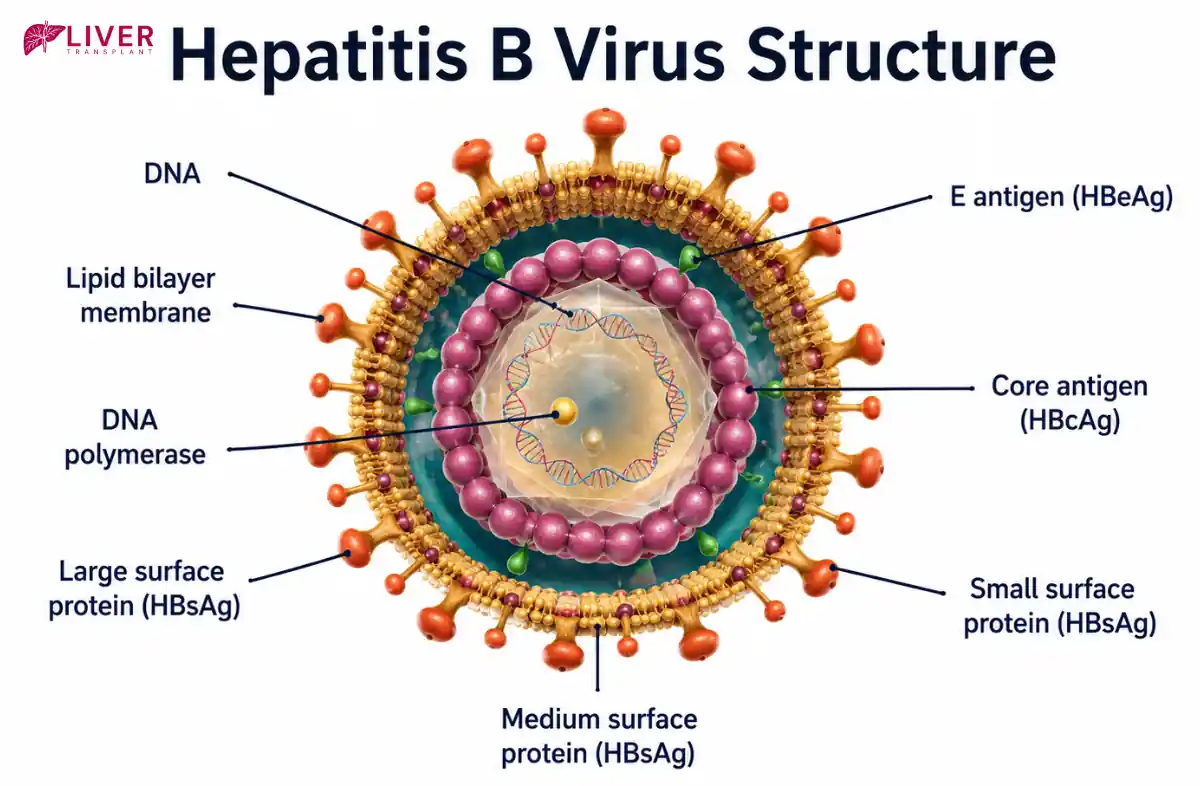
Nucleoside and nucleotide analogues (NAs) are the backbone of modern Hepatitis B treatment. These oral medications work by blocking the reverse transcriptase enzyme the virus uses to replicate its DNA.
Tenofovir disoproxil fumarate (TDF) and tenofovir alafenamide (TAF) are the preferred first-line agents in most international guidelines. Both have a very high barrier to resistance — meaning the virus is highly unlikely to develop mutations that allow it to escape the drug's effects — and both achieve viral suppression to undetectable levels in the vast majority of patients. TAF is preferred in patients with kidney disease or bone density concerns as it achieves comparable antiviral efficacy at a lower systemic dose.
Entecavir is an alternative first-line agent with an excellent resistance profile and a long track record of safety and efficacy. It is widely used in patients who cannot tolerate tenofovir formulations.
These medications are generally well tolerated, taken as a single daily tablet, and can be used safely long-term. The limitation is that they suppress rather than eliminate the virus — most patients require indefinite treatment, as stopping therapy risks viral rebound and hepatitis flare.
Pegylated interferon alpha (Peg-IFN) is an injectable treatment given for a defined duration — typically 48 weeks. It works by boosting the immune system's response to the virus rather than directly suppressing viral replication. Its advantages are a finite treatment duration and a higher chance of HBsAg loss — considered functional cure — compared to nucleoside analogues. Its disadvantages are significant side effects (flu-like symptoms, fatigue, mood disturbance, bone marrow suppression) and its unsuitability for patients with cirrhosis, autoimmune conditions, or severe psychiatric history. Response rates vary considerably based on viral genotype and baseline characteristics.
The holy grail of Treatment of Hepatitis B and the focus of intense ongoing research — is a functional cure: loss of HBsAg, the surface antigen that marks active infection. Several novel therapeutic approaches are in advanced clinical trials, including RNA interference (RNAi) therapies, capsid assembly modulators, and therapeutic vaccines. While none has yet reached routine clinical practice, the field is moving faster than at any previous point, and a functional cure within the coming decade is considered a realistic goal by leading hepatologists.
Liver transplantation remains the treatment of last resort for patients who develop end-stage liver disease or liver cancer meeting transplant criteria as a result of hepatitis B. Post-transplant recurrence of HBV is prevented with a combination of hepatitis B immunoglobulin and antiviral therapy, and outcomes for HBV-related transplants are among the best of any transplant indication.