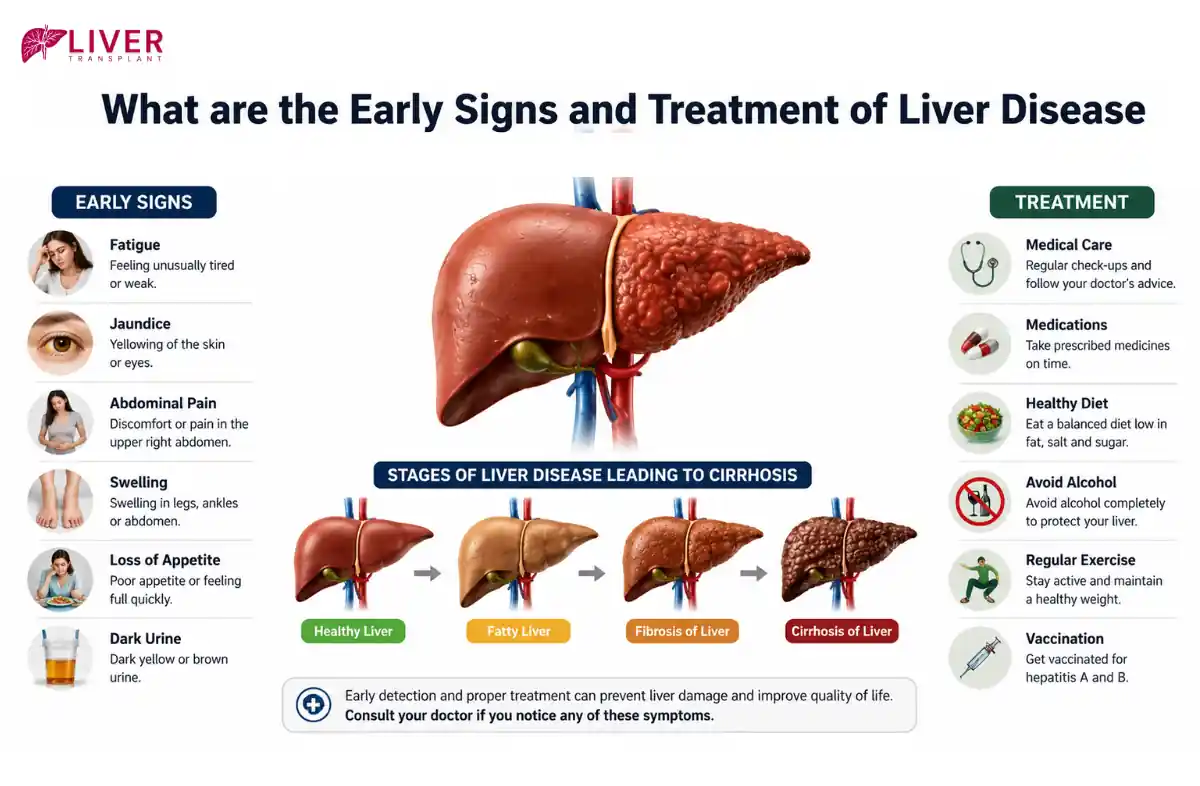
Treatment for cirrhosis works on two levels at the same time — stopping further damage by addressing the underlying cause, and managing the complications that cirrhosis produces.
Stopping the underlying cause
This is always the first priority, because removing the source of ongoing damage gives the liver its best chance of stabilising.
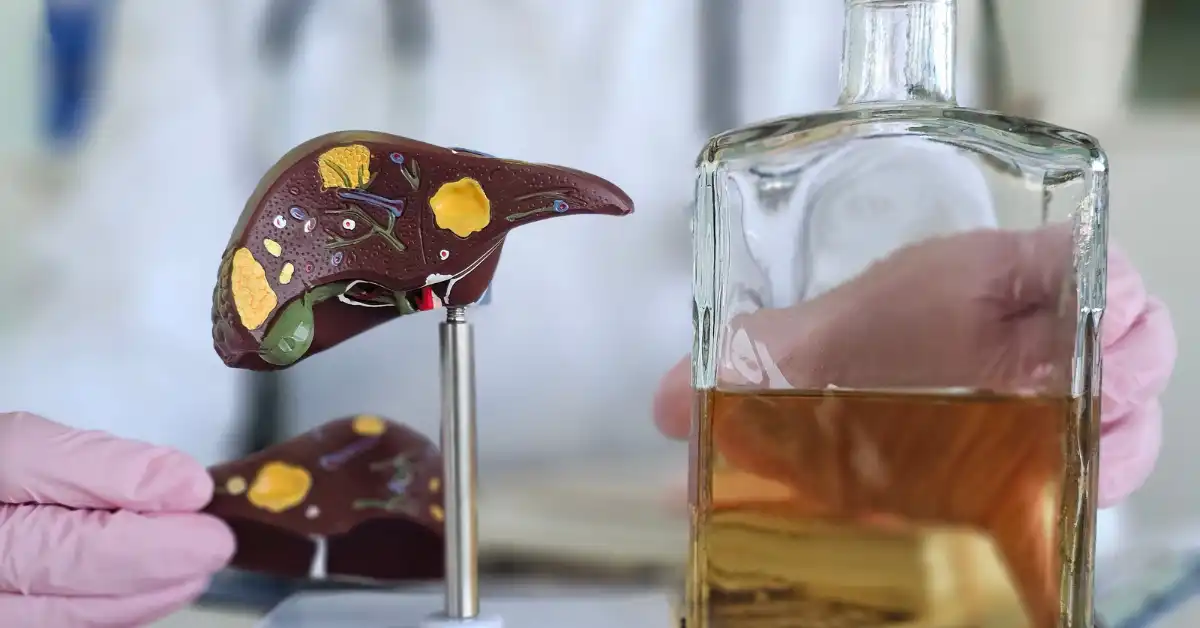
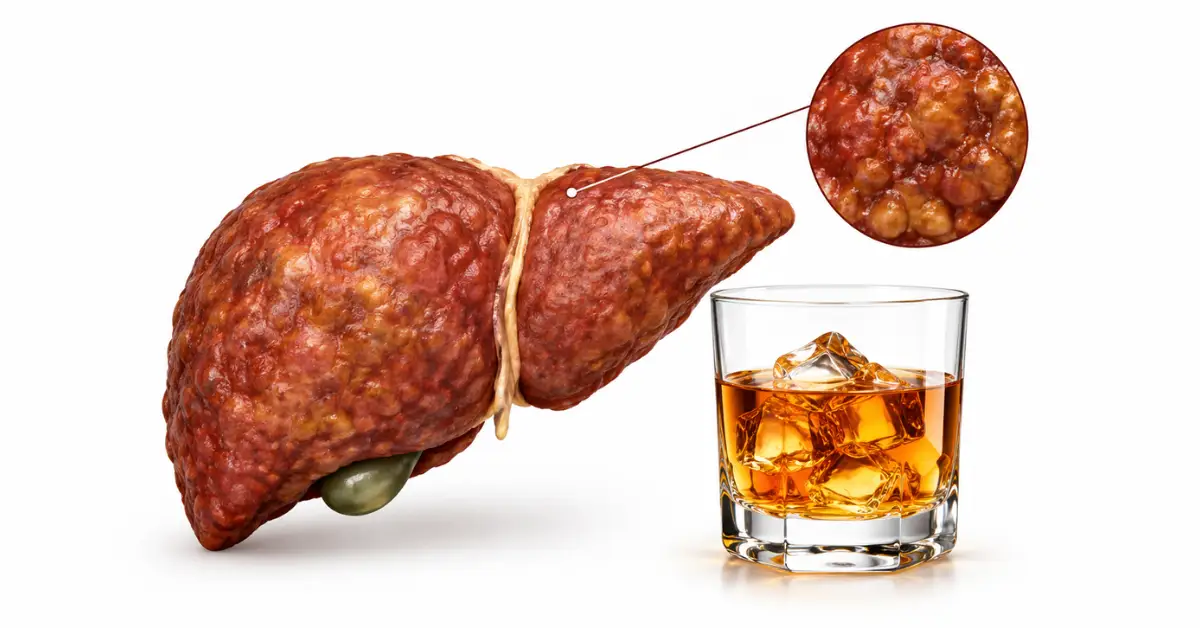
For alcohol-related cirrhosis, complete and permanent abstinence from alcohol is the single most important step a patient can take. Even in patients with established cirrhosis, stopping alcohol can stabilise the disease and meaningfully extend life. Specialist addiction support, counselling, and medications that help maintain abstinence are all valuable tools here.
For hepatitis C, modern antiviral drugs cure the infection in over 95 percent of patients in eight to twelve weeks. Clearing the virus stops ongoing viral-driven inflammation, reduces the risk of liver cancer, and — in patients with compensated cirrhosis — can lead to genuine fibrosis reversal over time.
For hepatitis B, daily antiviral tablets suppress the virus to undetectable levels, stopping inflammation and cancer risk. Treatment is usually lifelong but is generally well tolerated.
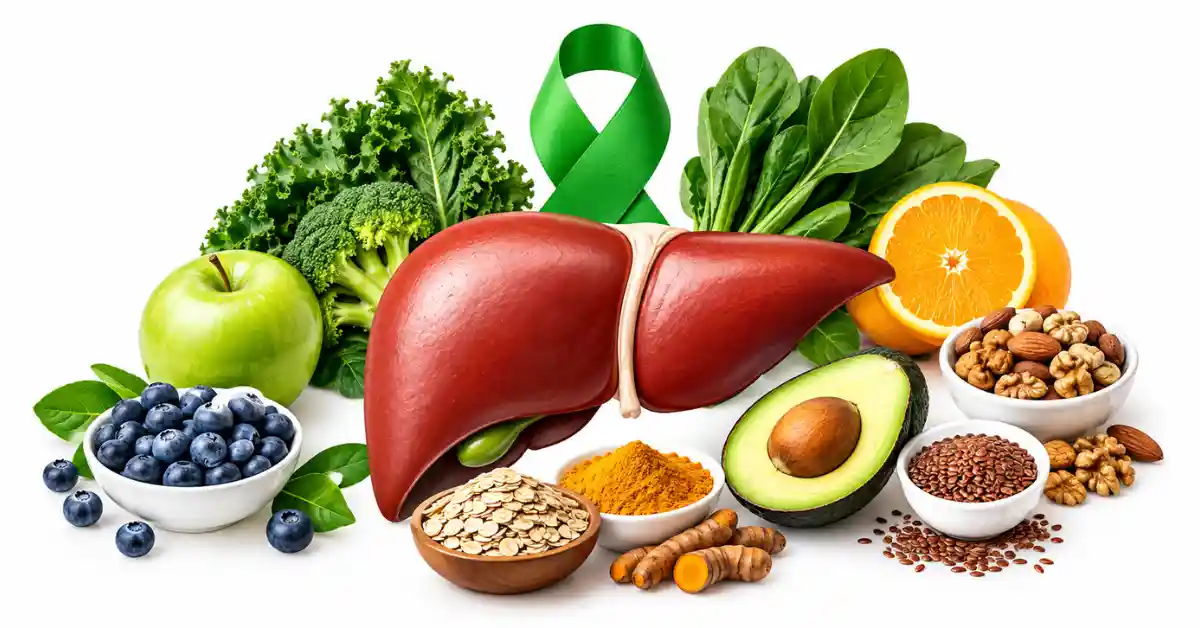
For NASH, gradual weight loss of ten percent or more of body weight significantly reduces liver fat and inflammation and can reverse fibrosis in earlier-stage disease. Diet and regular physical activity are the primary tools — no medication yet matches the effectiveness of sustained weight loss.
Managing complications
Ascites is managed with a low-sodium diet and diuretic tablets — typically spironolactone with furosemide. When ascites become resistant to medication, a needle can be inserted to drain the fluid directly — a procedure called paracentesis. In some patients, a small internal shunt (TIPS procedure) reduces portal pressure and prevents fluid from re-accumulating.
Hepatic encephalopathy is treated with lactulose — a syrup that reduces ammonia production in the gut — and rifaximin, an antibiotic tablet that prevents the gut bacteria responsible for ammonia production from proliferating. Identifying and treating any trigger (infection, bleeding, dehydration) is equally important.
Variceal bleeding is treated urgently with endoscopic band ligation — placing tiny elastic bands around the varices during a gastroscopy procedure — and medications that reduce blood pressure in the portal vein. Prevention involves non-selective beta-blockers and regular endoscopic surveillance.
Spontaneous bacterial peritonitis is treated with intravenous antibiotics and albumin infusions. Long-term low-dose antibiotics prevent recurrence in high-risk patients.
Nutrition deserves special mention. Patients with cirrhosis are commonly malnourished and lose muscle mass rapidly. High-protein meals, frequent small snacks, and a late-evening carbohydrate snack are recommended to maintain muscle and energy stores. A specialist dietitian is an invaluable member of the care team.
Liver transplantation is the only treatment that can replace a failing liver entirely. It is considered when the disease reaches a point where medical management can no longer adequately control complications — typically when the MELD score rises to 15 or above, or when specific life-threatening complications develop. One-year survival after liver transplantation exceeds 85 to 90 percent at experienced centres, and many recipients go on to live full, normal lives.