Pediatric Liver Disorders

When a child is diagnosed with a liver condition, the world can feel like it stops. Questions flood in faster than answers. What is actually wrong? How serious is this? What happens next? Will my child be okay?

These are the right questions — and they deserve clear, honest answers rather than vague reassurances or overwhelming medical terminology that leaves parents more confused than when they started. Pediatric liver disorders is not one condition. It is a broad category covering dozens of different disorders some present from birth, some developing in infancy or childhood, some inherited, and some acquired. What they share is their impact on one of the body’s most vital organs at the most critical period of development. The liver in a growing child is not simply a smaller version of an adult liver it is a rapidly developing organ performing essential functions that support growth, immune development, digestion, metabolism, and neurological health simultaneously.

The encouraging reality is that paediatric hepatology has advanced enormously over recent decades. Conditions that were once uniformly fatal in infancy now carry realistic prospects of long, healthy lives through earlier diagnosis, better medical management, refined surgical techniques, and improved transplant outcomes. Children who receive timely, expert care for liver conditions fare dramatically better than those whose diagnoses are delayed. This guide is written for parents and families not for doctors. It covers what pediatric liver disease is, why it happens, what signs to watch for, how it is diagnosed, and what treatment looks like. Our goal is to give you the understanding you need to navigate this journey with confidence.

Understanding Liver Diseases in Children

The liver is one of the first major organs to develop in the foetus and one of the most metabolically active organs throughout childhood. In a healthy child, the liver performs over 500 daily functions filtering blood from the digestive system, producing bile for fat digestion, synthesising proteins needed for blood clotting, storing energy as glycogen, metabolising medications and toxins, producing immune factors, and regulating blood sugar and cholesterol.

When the liver is not working properly in a child, these functions are compromised and because children are growing and developing rapidly, the consequences can appear faster and more dramatically than they would in an adult.

Pediatric liver disease differs from adult liver disease in several important ways. The causes are fundamentally different children rarely develop the lifestyle-related conditions like alcoholic liver disease or NASH that dominate adult hepatology. Instead, paediatric liver conditions are more commonly genetic, metabolic, structural, or autoimmune in origin. Many present in the newborn period or early infancy. Some are unique to childhood biliary atresia, for example, affects only infants and does not occur in adults.

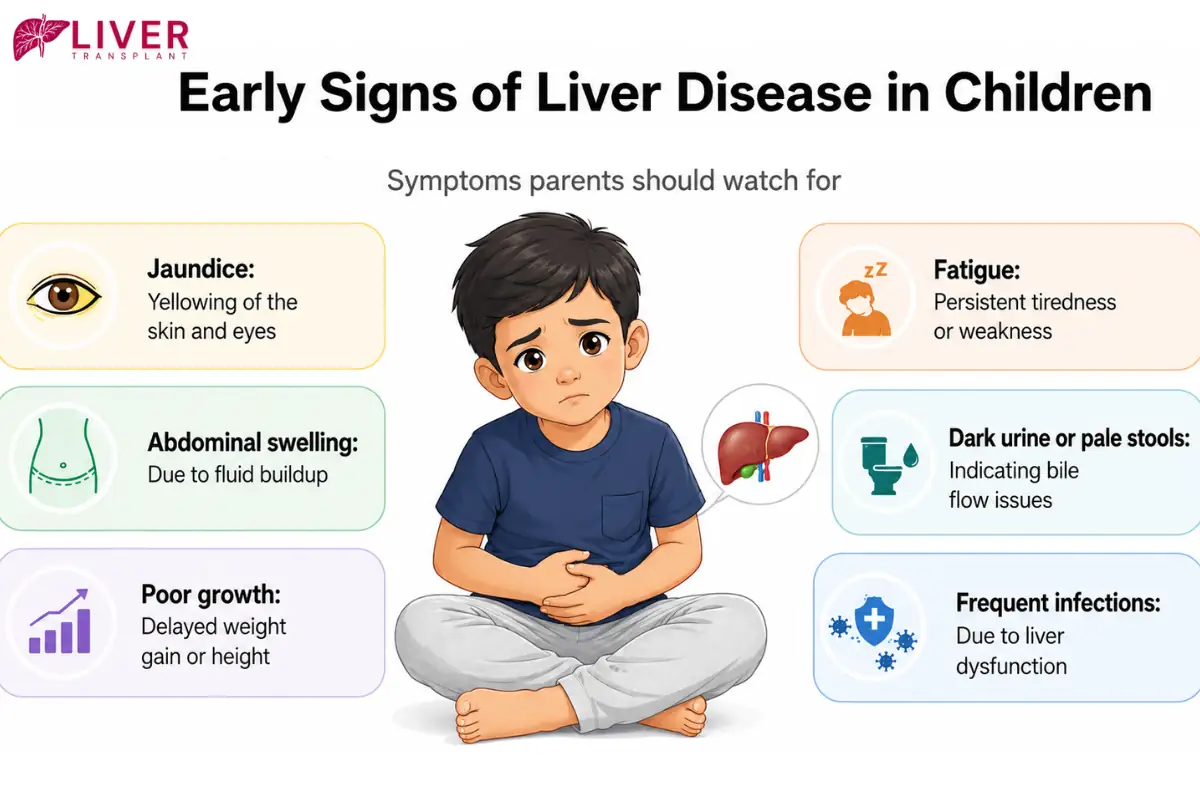
The presentation also differs. Infants and young children cannot describe their symptoms. They cannot tell you that they feel fatigued or that they have upper abdominal discomfort or that their urine looks darker than usual. Parents and paediatricians must rely on observable signs jaundice, abnormal stool colour, abdominal swelling, poor feeding, growth failure to identify liver problems in young children.

Understanding liver disorders in children requires appreciating this fundamental difference in context, presentation, and cause from adult liver disease. The principles of liver function are the same but almost everything else is different.

Why Liver Problems Happen in Children?

The reasons children develop liver disease are diverse and often fundamentally different from the causes in adults. Broadly, liver problems in children arise from four main categories of underlying mechanisms.

Genetic and inherited conditions are among the most common causes of serious liver disease in childhood. Children can be born with mutations in genes that govern bile duct development, copper metabolism, iron metabolism, fat processing, or bile acid synthesis. These mutations may have been inherited from one or both parents who may themselves be completely healthy carriers or may arise as new mutations with no family history. Examples include Wilson's disease, Alagille syndrome, progressive familial intrahepatic cholestasis, and alpha-1 antitrypsin deficiency.

Structural abnormalities affecting the bile duct system can form during foetal development, leaving newborns with absent, malformed, or blocked bile ducts. Biliary atresia in which the bile ducts outside and within the liver are progressively obliterated is the most important example and the most common reason for liver transplantation in children worldwide.

Autoimmune conditions occur when the child's immune system incorrectly targets the liver or its bile ducts. Autoimmune hepatitis, primary sclerosing cholangitis, and autoimmune overlap syndromes can all develop in school-age children and teenagers, sometimes with a dramatic acute presentation that mimics viral hepatitis.

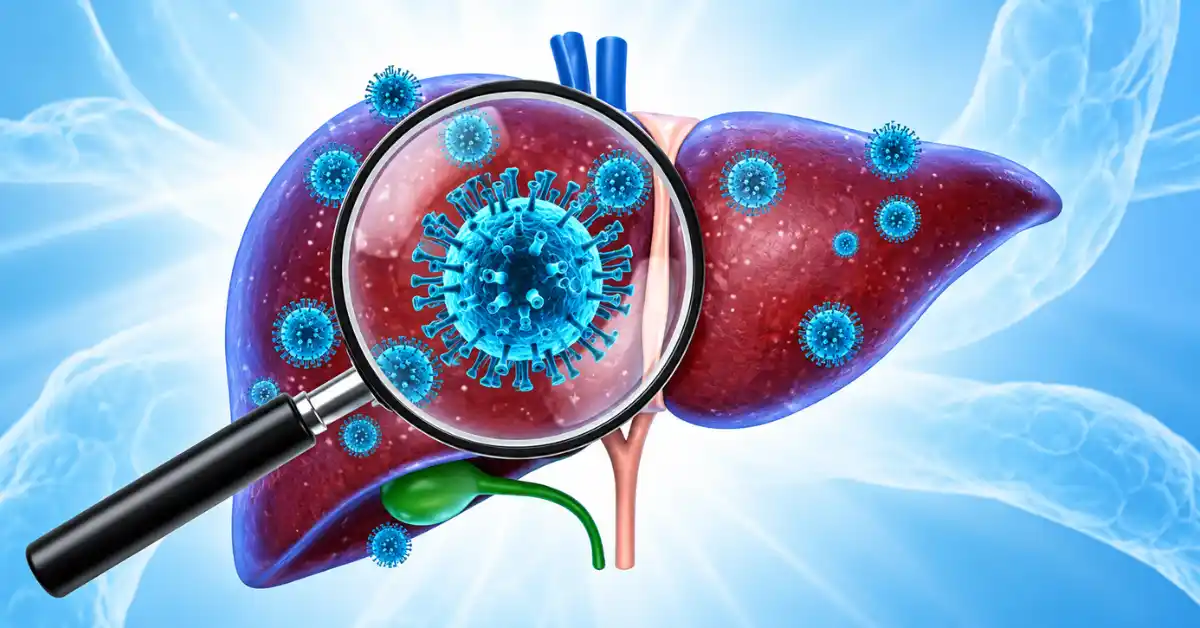
Viral and infectious causes — including hepatitis A, B, and E, Epstein-Barr virus, cytomegalovirus, and herpes simplex virus can all cause liver inflammation in children. While most viral hepatitis in children is self-limiting, some cases progress to acute liver failure or chronic liver disease.

Metabolic and nutritional causes — including non-alcoholic fatty liver disease associated with childhood obesity, and rare inborn errors of metabolism are becoming increasingly important as childhood obesity rates rise globally and as genetic testing identifies more previously unrecognised metabolic conditions.

Types of Pediatric Liver Disease

Pediatric liver disorders encompass a wide range of specific conditions, each with its own cause, behaviour, and treatment approach.

Biliary Atresia

Biliary atresia is the most common serious liver disease in newborns and the leading cause of paediatric liver transplantation worldwide. It occurs when the bile ducts — tubes that carry bile from the liver to the intestine — are absent, blocked, or destroyed in the first weeks of life. Without functioning bile ducts, bile backs up inside the liver, causing progressive inflammation and scarring.

Biliary atresia affects approximately one in 10,000 to 15,000 live births. It requires surgical treatment — the Kasai procedure — within the first 60 days of life for the best outcome. Even with surgery, many children eventually require liver transplantation.

Alagille Syndrome

Alagille syndrome is a genetic condition caused by mutations in the JAG1 or NOTCH2 genes. It affects the bile ducts within the liver — which are reduced in number — along with the heart, kidneys, spine, and facial features. Bile flow is chronically impaired, causing liver damage over time. It presents with persistent neonatal jaundice, severe itching, and growth failure, and varies enormously in severity — from mild and manageable to severe, requiring transplantation.

Wilson's Disease

Wilson's disease is a genetic disorder of copper metabolism. The liver cannot properly excrete copper, causing it to accumulate — first in the liver, then in the brain and other organs. It typically presents in children aged 5 to 15 with liver disease (abnormal liver tests, hepatitis, or acute liver failure), neurological symptoms (tremor, coordination problems), or psychiatric symptoms (personality changes, school performance decline). It is treatable with copper chelation therapy.

Alpha-1 Antitrypsin Deficiency

Alpha-1 antitrypsin deficiency is the most common genetic cause of liver disease in children. The liver produces an abnormal form of the alpha-1 antitrypsin protein that accumulates in liver cells rather than being secreted normally. This accumulation causes liver cell injury and progressive fibrosis. Presentation ranges from neonatal jaundice to slowly progressive liver disease diagnosed in later childhood or adulthood.

Autoimmune Hepatitis

Autoimmune hepatitis occurs when the immune system attacks hepatocytes — liver cells. It can present at any age including early childhood, with acute jaundice, fatigue, and significantly elevated liver enzymes. It is treatable with immunosuppressive medications — prednisolone and azathioprine — and most children respond well to treatment.

Progressive Familial Intrahepatic Cholestasis (PFIC)

PFIC is a group of rare genetic disorders that impair bile secretion within the liver, causing progressive bile accumulation and liver damage. It typically presents in infancy with jaundice, intense itching, and growth failure. Several types exist, each caused by a mutation in a different bile transport protein.

Neonatal Hepatitis

Neonatal hepatitis describes liver inflammation in newborns caused by viral infection, metabolic disorders, or unknown causes. Many cases resolve spontaneously, but some progress to chronic liver disease and require ongoing management.

Paediatric Non-Alcoholic Fatty Liver Disease (NAFLD)

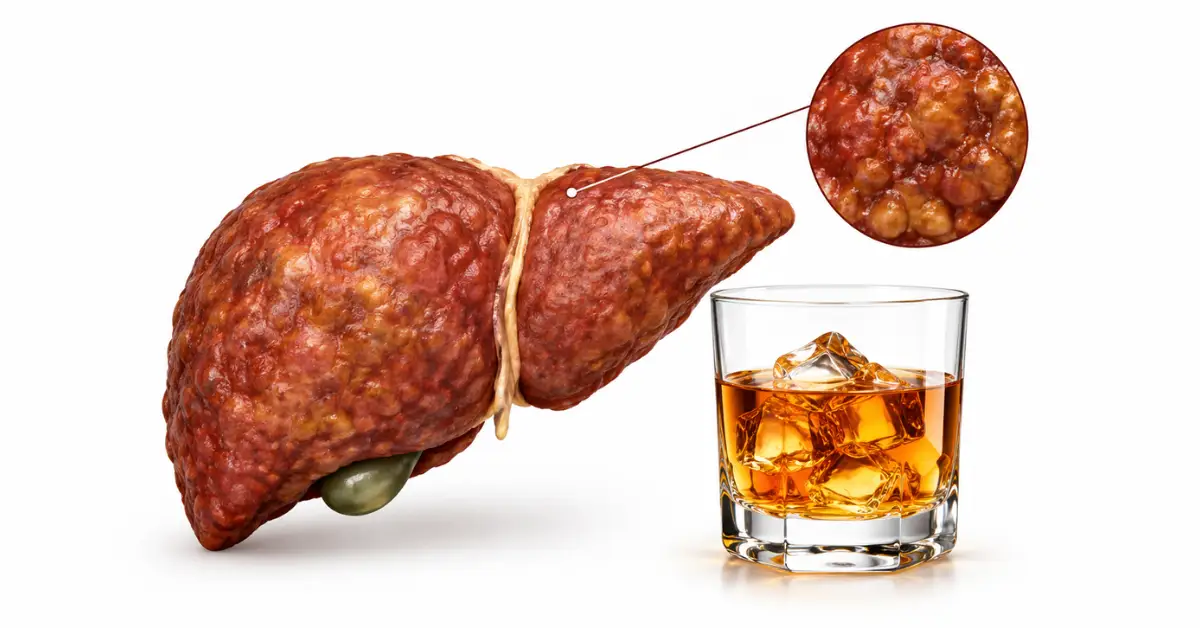
Increasingly recognised as childhood obesity rates rise, paediatric NAFLD occurs when fat accumulates in the liver in overweight or obese children. Most cases are mild, but a proportion progress to inflammation (NASH) and fibrosis. It is the most common form of pediatric liver disease in high-income countries today.

Hepatoblastoma

Hepatoblastoma is the most common primary liver cancer in children, typically occurring in children under five years of age. It is treated with surgery and chemotherapy, and when caught early, outcomes are generally good.

Warning Signs Parents Should Not Ignore

Because children especially infants cannot describe their symptoms, parents are the first line of detection for liver problems in children. Knowing which signs warrant immediate medical attention can genuinely be life-saving.

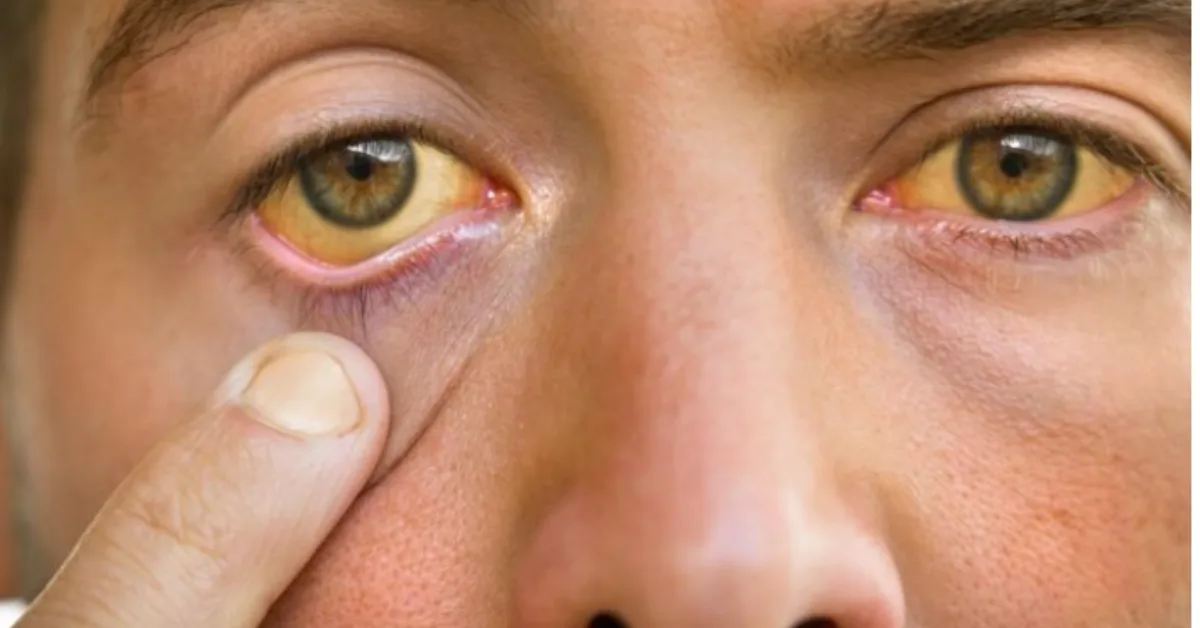
Persistent jaundice beyond two weeks of age is the most critical warning sign in newborns. A small amount of jaundice in the first days of life is normal physiological neonatal jaundice that resolves within two weeks. Any jaundice that persists beyond two weeks of age must be evaluated by a doctor immediately. It is not safe to wait and see.

Pale, white, or clay-coloured stools in an infant are a red flag for bile duct problems, particularly biliary atresia. Normal infant stools are yellow or green the colour comes from bile pigments. White or pale stools mean bile is not reaching the intestine. Many countries now provide stool colour cards to new parents specifically to enable early identification of this sign.

Dark urine in an infant tea or amber coloured suggests bilirubin is being excreted through the kidneys rather than bile ducts, indicating significant liver dysfunction.

Abdominal swelling particularly a visibly distended or hard-feeling abdomen — can reflect liver enlargement, spleen enlargement, or fluid accumulation from portal hypertension.

Persistent poor feeding and failure to thrive a baby or young child who consistently feeds poorly, gains weight slowly, or falls off their growth curve can be a non-specific early sign of chronic liver disease affecting digestion and metabolism.

Unexplained intense itching in a child particularly if the child scratches persistently and is clearly uncomfortable can indicate bile salt accumulation from chronic cholestatic liver disease.

Vomiting blood or passing black stools in a child with known or suspected liver disease may indicate variceal bleeding — a medical emergency requiring immediate hospital assessment.

New-onset confusion, personality change, or unusual behaviour in an older child, particularly if combined with any liver-related symptoms, can suggest hepatic encephalopathy or Wilson's disease affecting the brain.

Causes of Pediatric Liver Disease

The causes of pediatric liver disorders are significantly different from adult liver disease, with genetic, developmental, and immune mechanisms predominating over lifestyle factors.

Genetic mutations affecting bile duct development, metabolic pathways, or immune regulation are the most important category. These include mutations in JAG1 (Alagille syndrome), ATP7B (Wilson's disease), SERPINA1 (alpha-1 antitrypsin deficiency), ABCB11 and related genes (PFIC), and numerous others. Genetic liver diseases can be inherited in autosomal recessive, autosomal dominant, or X-linked patterns.

Abnormal foetal development of the biliary system — the precise cause of which remains incompletely understood — underlies biliary atresia. Viral triggers, immune mechanisms, and genetic susceptibility are all implicated, but no definitive single cause has been established.

Immune dysregulation drives autoimmune hepatitis, primary sclerosing cholangitis, and autoimmune overlap syndromes. The immune system mistakenly targets liver cells or bile duct cells, causing chronic inflammation and progressive damage.

Viral infections including hepatitis A, B, C, and E, Epstein-Barr virus, cytomegalovirus, and herpes simplex virus can infect and inflame liver cells in children. Congenital infections (those acquired before or during birth) carry particular significance.

Metabolic disorders inborn errors of metabolism affecting amino acid, organic acid, fatty acid, or carbohydrate processing can cause hepatotoxic accumulation of metabolic intermediates in liver cells.

Obesity and insulin resistance drive paediatric NAFLD through the same mechanisms as in adults fat accumulation in liver cells, oxidative stress, and inflammation and are increasingly relevant as childhood obesity rises globally.

Medication and drug toxicity including paracetamol overdose, herbal supplement toxicity, and certain prescription drugs can cause drug-induced liver injury in children.

Identification of Pediatric Liver Diseases

Early identification of pediatric liver disease depends on a combination of parental awareness, routine newborn screening programmes, vigilant paediatric assessment, and — increasingly — genetic testing.

Newborn screening programmes in many countries test for specific metabolic liver diseases in the first days of life including galactosaemia, tyrosinaemia, and other inborn errors of metabolism — through a heel-prick blood test. Identifying these conditions before symptoms develop allows treatment to be started early, often preventing significant liver damage.

Stool colour screening cards distributed to parents at birth in countries including Taiwan, Japan, and the Netherlands enable early identification of biliary atresia and other cholestatic conditions through parental observation of stool colour in the first weeks of life.

Paediatric health checks at regular intervals in the first years of life include clinical examination of the abdomen, assessment of growth parameters, and jaundice assessment all of which can identify liver enlargement, growth failure, or persistent jaundice that warrants further investigation.

Genetic testing and family screening — testing siblings and other family members when a genetic liver condition is identified in a child can identify affected individuals before symptoms develop, allowing pre-symptomatic treatment to be started.

School health programmes and routine physical examinations in older children can identify hepatomegaly (enlarged liver), abnormal liver tests, or physical signs of chronic liver disease that were previously unrecognised.

How are Liver Diseases in Children Diagnosed?

Diagnosing pediatric liver disease requires a comprehensive, stepwise approach that combines clinical assessment, laboratory testing, imaging, and in many cases specialist investigations including genetic testing and liver biopsy.

Clinical history begins with a detailed account of the pregnancy, delivery, and neonatal period — including any antenatal infections, maternal medications, birth complications, or neonatal illness. A thorough family history explores whether any relatives have liver disease, metabolic conditions, or unexplained childhood deaths. The child's developmental history, feeding patterns, growth trajectory, and any medications or supplements they take are all relevant.

Physical examination assesses jaundice, the size and texture of the liver and spleen, the presence of ascites or abdominal distension, skin findings (spider angiomas, palmar erythema, excoriation from itching), growth parameters, and any extra-hepatic features suggesting specific diagnoses such as Alagille syndrome or Wilson's disease.

Blood tests provide the biochemical foundation of diagnosis. Liver function tests including ALT, AST, ALP, GGT, bilirubin (fractionated into direct and indirect components), albumin, and INR assess the degree of liver injury and synthetic function. A split bilirubin is particularly important in infants an elevated direct (conjugated) bilirubin always requires investigation regardless of the total bilirubin level.

Specific diagnostic blood tests are chosen based on the clinical picture. In suspected biliary atresia GGT level (characteristically very elevated), HIDA scan, and ultrasound. In suspected Wilson's disease serum ceruloplasmin, 24-hour urine copper, and slit-lamp examination. In alpha-1 antitrypsin deficiency alpha-1 antitrypsin level and phenotype. In autoimmune hepatitis ANA, ASMA, anti-LKM1, and immunoglobulin levels. In metabolic disorders plasma amino acids, urine organic acids, and specific enzyme assays.

Liver ultrasound is the primary imaging tool in children it is safe, radiation-free, and provides excellent initial information about liver size, texture, bile duct anatomy, and portal blood flow. It is the first-line investigation for virtually all suspected paediatric liver conditions.

MRCP (MR cholangiopancreatography) provides detailed imaging of the bile duct system without radiation and is used to evaluate bile duct anatomy in conditions such as PSC, Alagille syndrome, and choledochal cysts.

FibroScan — measuring liver stiffness as a proxy for fibrosis is increasingly used in older children and adolescents. It is non-invasive, painless, and provides quantitative fibrosis staging.

Liver biopsy remains important in paediatric hepatology providing definitive histological information about the degree of inflammation, fibrosis, and the specific pattern of injury that helps confirm diagnoses. In children with coagulopathy, the procedure is performed via the transjugular route. Under general anaesthesia in younger children.

Genetic testing has been transformed by next-generation sequencing technology. Gene panels covering dozens of paediatric liver disease genes can be tested simultaneously from a single blood sample, and in complex or undiagnosed cases, whole-exome or whole-genome sequencing can identify rare mutations that no targeted test would have found.

Intraoperative cholangiogram is performed during surgical exploration in suspected biliary atresia it is the definitive diagnostic step that confirms bile duct obliteration and triggers the Kasai procedure.
What are the Treatment Options for Liver Disease in Children?

Treatment of pediatric liver disease is as diverse as its causes — each condition has its own specific approach, and the treatment landscape for many paediatric liver conditions has advanced significantly in recent years.

The Kasai procedure (hepatoportoenterostomy) is the primary surgical treatment for biliary atresia. A loop of small intestine is attached directly to the liver hilum, creating a new pathway for bile drainage. Success depends critically on the age at surgery infants operated on before 45 days achieve the best outcomes, with approximately 80 percent achieving adequate bile drainage. Even when successful, many children eventually require liver transplantation but the Kasai procedure buys crucial years of growth and development.

Ursodeoxycholic acid (UDCA) is prescribed for cholestatic liver diseases those in which bile flow is impaired including biliary atresia post-Kasai, Alagille syndrome, PFIC, and primary sclerosing cholangitis. It promotes bile flow, has cytoprotective effects on bile duct cells, and has a well-established safety profile in children.

Copper chelation therapy — with D-penicillamine or trientine is the primary treatment for Wilson's disease, binding excess copper and facilitating its urinary excretion. Zinc maintenance therapy is used long-term to prevent copper reaccumulation. With consistent treatment, most children with Wilson's disease achieve normal liver function and live completely normal lives.

Immunosuppressive therapy — prednisolone combined with azathioprine is the cornerstone of autoimmune hepatitis treatment in children. Most children achieve remission within months and require long-term maintenance therapy to prevent relapse. Response rates are excellent around 80 to 90 percent achieve sustained remission.

Fat-soluble vitamin supplementation — vitamins A, D, E, and K is essential for all children with cholestatic liver disease. Fat malabsorption from impaired bile flow depletes these critical vitamins, with consequences for vision (vitamin A), bone health (vitamin D), neurological function (vitamin E), and blood clotting (vitamin K).

Nutritional support is a central pillar of management for virtually all children with significant liver disease. Children with chronic liver disease have high caloric needs and poor appetites. Specialist paediatric dietitian input, high-calorie formula feeds, and in some cases nasogastric tube feeding ensure adequate nutrition for growth and development.

Treatment of itching (pruritus) in cholestatic liver disease uses a stepwise approach rifampicin, cholestyramine, naltrexone, and in severe refractory cases, plasmapheresis or biliary diversion procedures.

Antiviral treatment for hepatitis B and C in children follows similar principles to adult treatment direct-acting antivirals for hepatitis C achieve cure rates exceeding 95 percent in paediatric patients, and several regimens are now approved for children as young as three years.

Management of portal hypertension complications variceal surveillance with gastroscopy, endoscopic band ligation, and non-selective beta-blockers follows adult principles adapted for paediatric physiology and anatomy.

Liver transplantation is the definitive treatment for end-stage paediatric liver disease from any cause. Children are the most successful transplant recipients one-year survival exceeds 90 percent at experienced paediatric transplant centres, and five-year survival is approximately 85 to 90 percent. Living donor transplantation particularly from a parent is especially valuable in paediatric recipients, allowing elective, well-timed surgery with superior organ quality.

When Should a Parent Visit the Doctor?

Parents should seek medical assessment for their child promptly — without waiting to see if things improve — in any of the following circumstances.

In newborns and young infants: any jaundice that persists beyond two weeks of age; pale, white, or clay-coloured stools at any age; dark or tea-coloured urine; poor weight gain or difficulty feeding; abdominal swelling or a noticeably firm, enlarged abdomen.

In older children and teenagers: unexplained persistent fatigue that affects school attendance or daily activities; new-onset jaundice — yellowing of skin or eyes at any age; persistent abdominal discomfort or pain in the upper right abdomen; unexplained weight loss or growth faltering; persistent itching without an obvious skin cause; any combination of liver-related symptoms with personality changes, deteriorating school performance, or movement difficulties which together may suggest Wilson's disease.

Seek emergency care immediately if your child vomits blood or passes black, tarry stools; develops sudden confusion or loss of consciousness; develops rapidly worsening jaundice; or has a known liver condition and develops fever with abdominal pain which may indicate spontaneous bacterial peritonitis.

For children with established liver conditions, regular scheduled follow-up with a paediatric hepatologist is non-negotiable liver disease monitoring, growth assessment, complication surveillance, and treatment adjustment all require consistent specialist oversight.

Results

The outcomes of pediatric liver disorders have improved dramatically over recent decades — and this is one of the most genuinely encouraging stories in modern medicine.

Children with biliary atresia who undergo timely Kasai surgery and when necessary liver transplantation now commonly survive into adulthood with good quality of life. Twenty-year survival rates exceeding 80 percent have been reported in specialist centres with comprehensive care programmes.

Children with Wilson's disease, autoimmune hepatitis, and other treatable conditions who are diagnosed early and treated consistently can expect completely normal life expectancy and quality of life. Wilson's disease once a cause of death in childhood is now a manageable condition that most patients live with without significant limitation.

Children who undergo liver transplantation for end-stage liver problems in children from any cause whether biliary atresia, metabolic disease, or autoimmune conditions achieve the best transplant outcomes of any age group. Many children transplanted in infancy go on to attend university, work, and live independently as adults with no outward sign of their medical history.

The most important message the evidence delivers is consistent across all paediatric liver conditions: early diagnosis transforms outcomes. A child whose biliary atresia is identified at three weeks of age and operated on at four weeks does dramatically better than one whose diagnosis is delayed to 10 weeks. A child with Wilson's disease identified through family screening before symptoms develop does better than one diagnosed after acute liver failure. A child with autoimmune hepatitis treated at presentation does better than one treated after cirrhosis has developed.

Pediatric liver disease is serious but it is manageable, often treatable, and in many cases no longer the life-limiting diagnosis it once was. The combination of parental awareness, paediatric vigilance, specialist expertise, and when needed transplantation gives children with liver disease a genuinely bright future.

Frequently Asked Questions

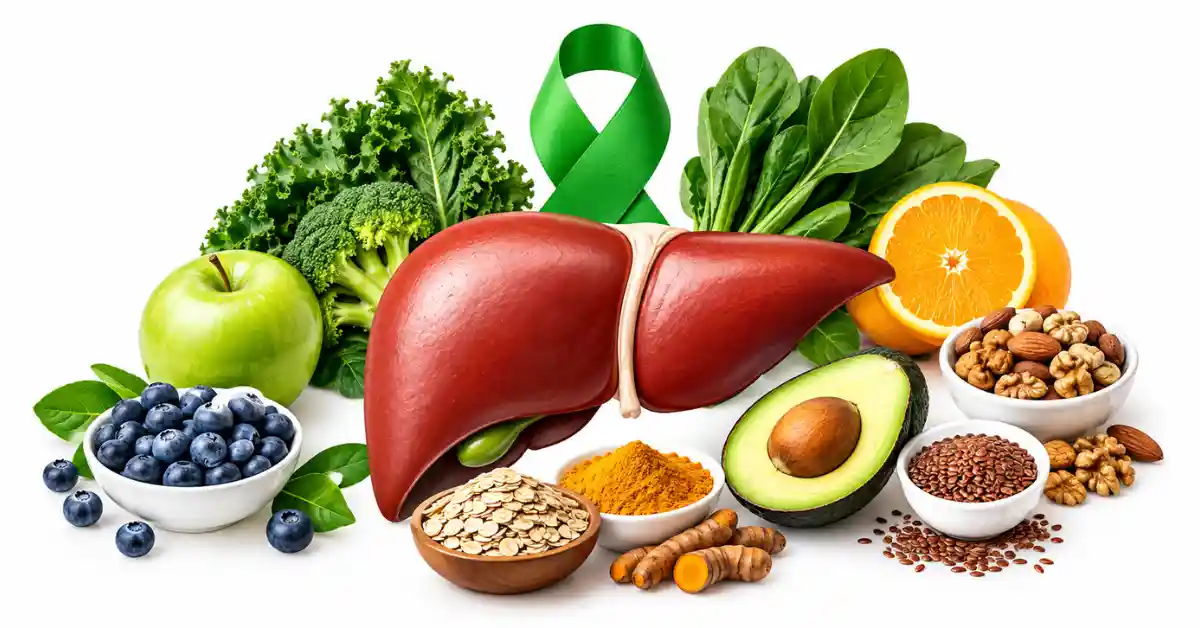
Foods that support liver health include fruits, vegetables, whole grains, legumes, nuts, and lean proteins such as fish and poultry. Leafy greens, berries, citrus fruits, and foods rich in antioxidants may help reduce inflammation. Healthy fats from olive oil and fatty fish are also beneficial. A balanced diet, combined with limiting alcohol and processed foods, supports liver function and recovery.

The most common pediatric liver disease varies by age, but Non-Alcoholic Fatty Liver Disease (NAFLD) is currently the most common chronic liver disease in children and adolescents, particularly among those with obesity. In infants, Biliary Atresia is a leading cause of severe liver disease and liver transplantation. Early diagnosis and management are important for preventing long-term liver damage and complications.

The Child-Pugh score assesses the severity of cirrhosis using five parameters: blood bilirubin level, blood albumin level, INR (a measure of blood clotting), the presence and severity of ascites (abdominal fluid buildup), and the degree of hepatic encephalopathy (brain dysfunction caused by liver disease). These factors help classify liver disease as Child-Pugh Class A, B, or C.

Recognize pediatric liver disorder symptoms early for timely treatment and better long-term liver health outcomes.

Conditions Treated

Comprehensive medical care for a wide range of conditions, focused on recovery, symptom management, and long-term wellness.

Read Next

Discover lifelong strategies, medications, monitoring, and healthy habits to maintain
Learn recovery steps, medications, nutrition, follow up care, and lifestyle
Get ready for liver transplant surgery with practical steps, nutrition,
Learn the differences, benefits, risks, and outcomes of living and
Explore liver transplant eligibility, evaluation criteria, and essential guidance to
Fatty liver disease develops due to excess fat buildup in