Alcoholic liver disease progresses through distinct stages, each with its own characteristics, reversibility, and clinical implications. Understanding these stages is important because the prognosis and treatment approach differ significantly depending on which stage a person has reached.
Stage 1 — Alcoholic Fatty Liver (Alcoholic Steatosis)
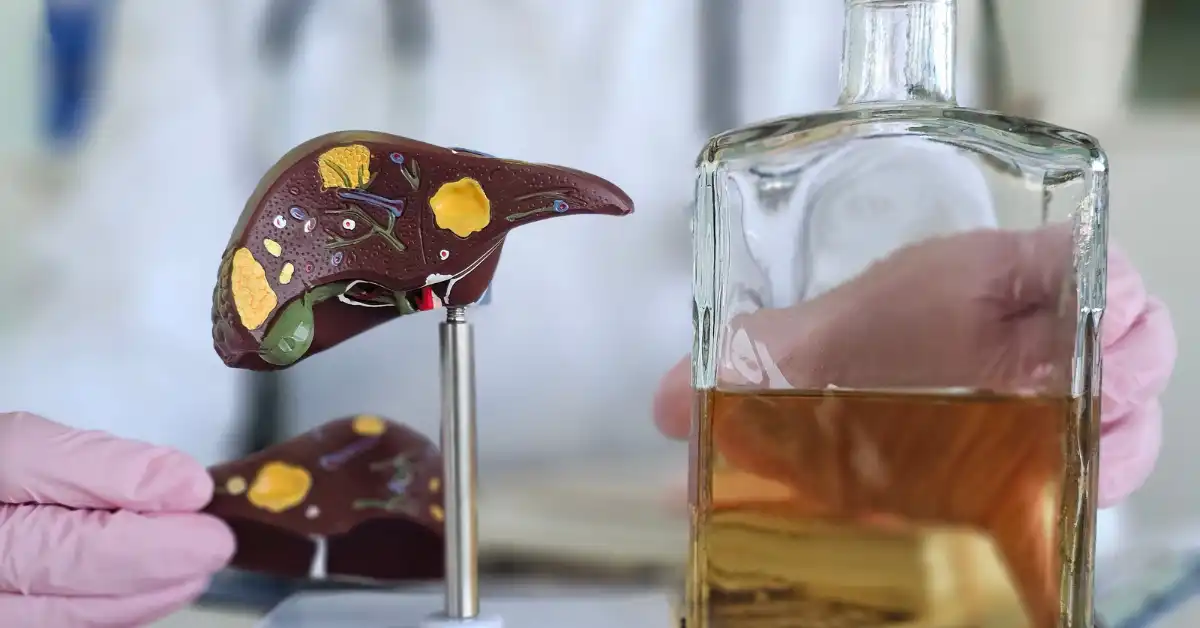
Alcoholic fatty liver is the earliest and most common stage of alcohol-related liver damage. It develops in virtually everyone who drinks heavily even over a relatively short period of time. When the liver is processing large amounts of alcohol, its normal fat metabolism is disrupted. Fat accumulates inside hepatocytes liver cells giving the liver a pale, greasy appearance that is visible on imaging and biopsy.
At this stage, the liver is enlarged but not yet significantly inflamed or scarred. There are typically no symptoms. Liver function tests may be mildly abnormal or entirely normal. The critical feature of alcoholic fatty liver is that it is completely reversible if alcohol consumption stops, the liver clears the fat within weeks to months and returns to normal. No permanent damage has occurred.
This is why alcoholic fatty liver, when identified, represents an important opportunity. It is a warning sign the body is sending a chance to intervene before irreversible damage accumulates.
Stage 2 — Alcoholic Hepatitis
Alcoholic hepatitis is an inflammatory condition of the liver caused by alcohol toxicity. It can develop on a background of fatty liver, but it can also occur in people without significant pre-existing fibrosis. It ranges from mild, subclinical inflammation detected on blood tests to severe, life-threatening acute liver failure.
Mild to moderate alcoholic hepatitis may produce non-specific symptoms — fatigue, mild nausea, and mildly elevated liver enzymes that resolve with alcohol cessation and supportive care.
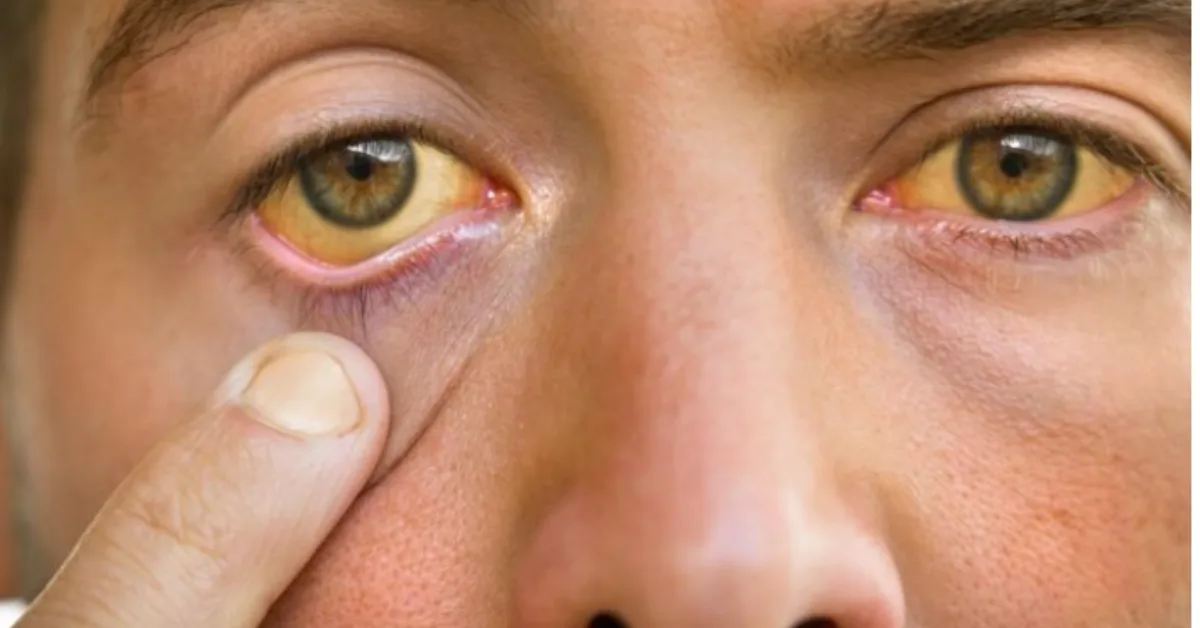
Severe alcoholic hepatitis is a medical emergency. It presents with jaundice, fever, right upper abdominal pain, ascites, and sometimes hepatic encephalopathy. The mortality in severe alcoholic hepatitis — even with treatment is significant, with 30-day mortality rates of 25 to 50 percent in the most severe cases. It can develop rapidly and without warning, sometimes as the first recognised manifestation of underlying liver disease in a person who was not previously known to have significant liver damage.
Stage 3 — Alcoholic Fibrosis
Repeated episodes of hepatocellular injury and inflammation activate the liver's fibrogenic response. Stellate cells normally quiescent in the liver become activated and begin depositing collagen. This scar tissue accumulates progressively, initially around the central veins and the periportal areas, before bridging across the liver parenchyma.
Fibrosis at this stage may still be partially reversible particularly if alcohol cessation is achieved. Studies show that even patients with significant fibrosis (stage 2-3 on a four-point scale) can experience meaningful fibrosis regression after sustained abstinence. This is one of the most clinically important and encouraging aspects of alcoholic liver disease the liver's capacity for recovery is greater than many people realise.
Stage 4 — Alcoholic Cirrhosis
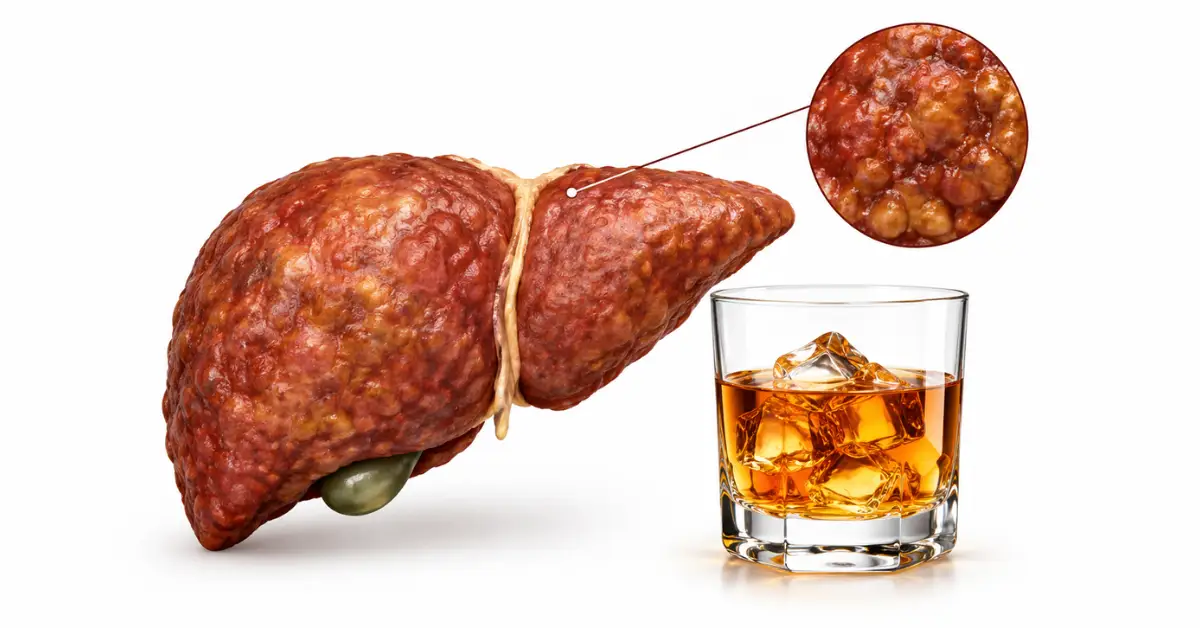
Alcoholic cirrhosis is the final stage of alcoholic liver disease the point at which widespread scarring has permanently distorted the liver's architecture and the damage cannot be reversed. The liver becomes hard, nodular, and shrunken. Normal blood flow through the organ is obstructed. Portal hypertension develops. Liver synthetic function progressively fails.
Cirrhosis itself is subdivided into compensated cirrhosis where the liver is significantly damaged but still managing to maintain adequate function and decompensated cirrhosis, where complications such as ascites, hepatic encephalopathy, and variceal bleeding develop, signalling that the liver can no longer cope.
Even at the cirrhotic stage, alcohol cessation meaningfully improves outcomes. Patients with alcoholic cirrhosis who achieve complete abstinence live significantly longer and have lower complication rates than those who continue drinking. The liver cannot regenerate back to normal but abstinence can stabilise the disease and preserve whatever function remains.