Fatty Liver Disease

Most people who have fatty liver disease do not know it. There are no obvious symptoms in the early stages, no pain that sends you to the doctor, and no visible signs that anything is wrong. Yet quietly, over months and years, fat accumulates inside the liver cells and for a significant number of people, that buildup eventually leads to serious, life-altering damage.

Fatty liver disease is now one of the most common liver conditions in the world. It affects people of all ages, including children, and its rise closely mirrors the global increase in obesity, type 2 diabetes, and sedentary lifestyles. In India, studies suggest that anywhere between 9 and 32 percent of the general population has some degree of fatty liver and the numbers are climbing. The good news is that fatty liver disease, particularly in its early stages, is one of the few liver conditions that is genuinely reversible. With the right lifestyle changes, many people bring their liver back to normal without a single medication. But you have to catch it, understand it, and act on it.

This guide gives you everything you need from what is actually happening inside your liver to how it is diagnosed, treated, and prevented.
What is Fatty Liver Disease?

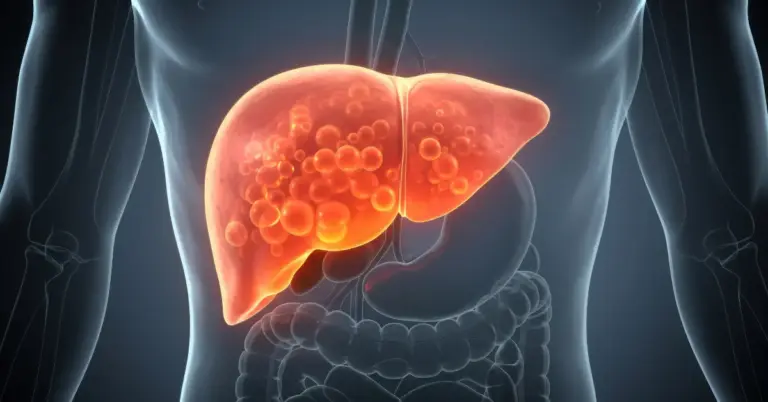
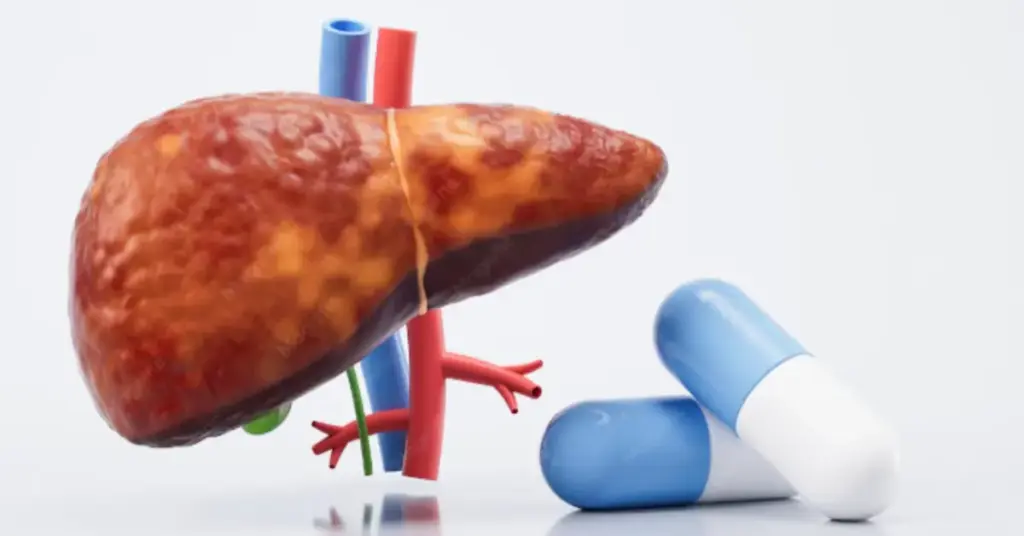
Your liver is supposed to contain a small amount of fat that is completely normal. The problem begins when fat makes up more than five percent of the liver's total weight. At that point, the condition is medically called hepatic steatosis, and in broader clinical terms it falls under the umbrella of steatotic liver disease but most people know it simply as fatty liver disease. 

There are three distinct types, and understanding which one you have matters enormously.

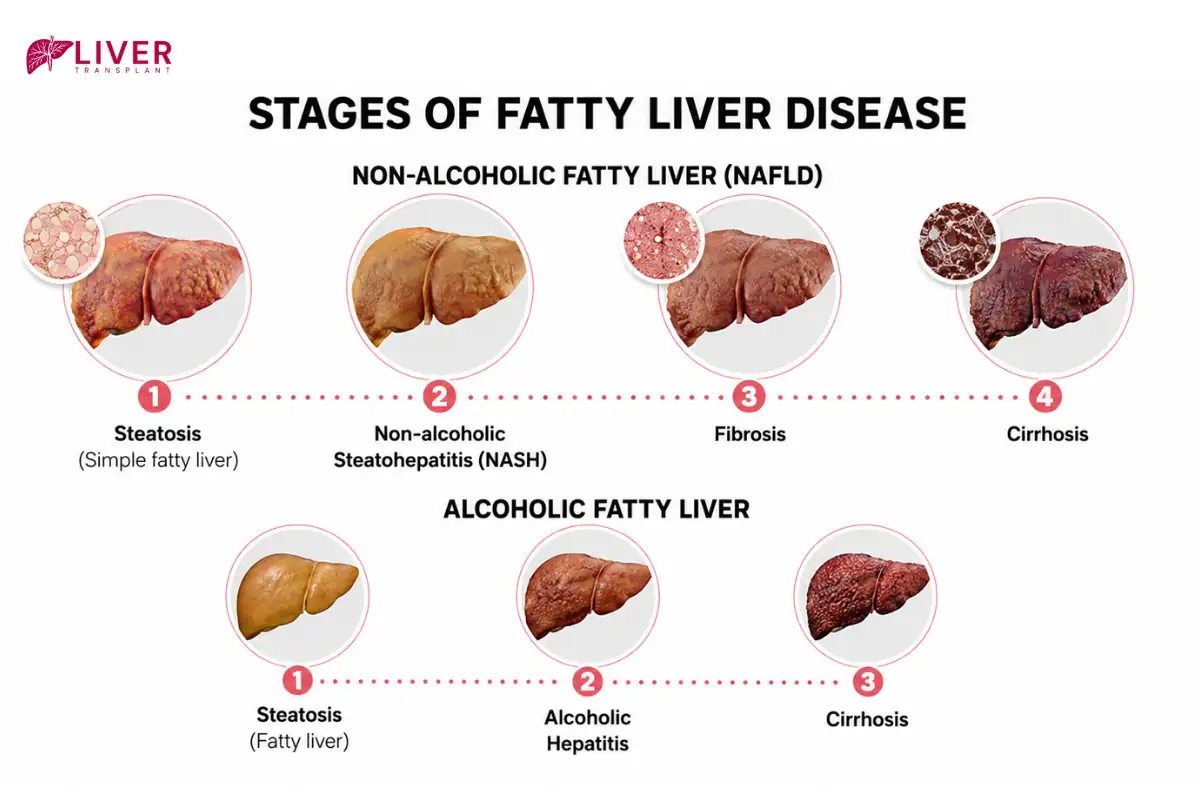
  • Non Alcoholic Fatty Liver Disease (NAFLD) is the more common type and has nothing to do with alcohol consumption. It occurs in people who drink little or no alcohol, and it is driven primarily by metabolic factors excess weight, insulin resistance, high blood sugar, and elevated triglycerides. NAFLD exists on a spectrum. At one end is simple steatosis fat in the liver with little or no inflammation, which is relatively benign. At the other end is non-alcoholic steatohepatitis (NASH), where the fat is accompanied by inflammation and liver cell damage, which can progress to scarring and eventually cirrhosis.
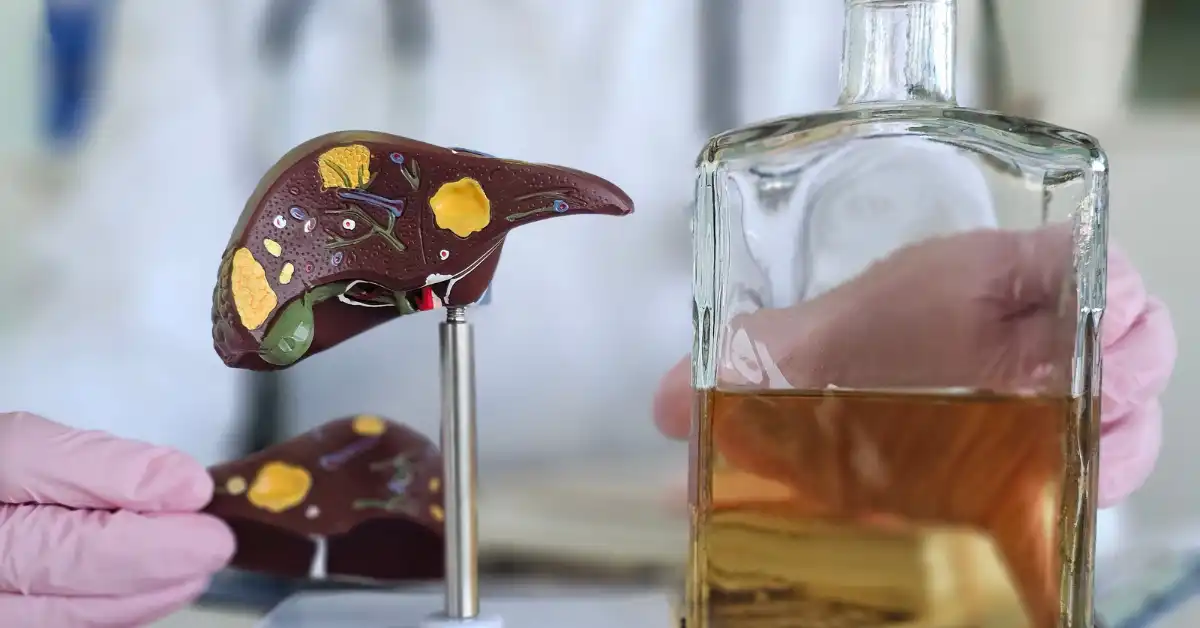
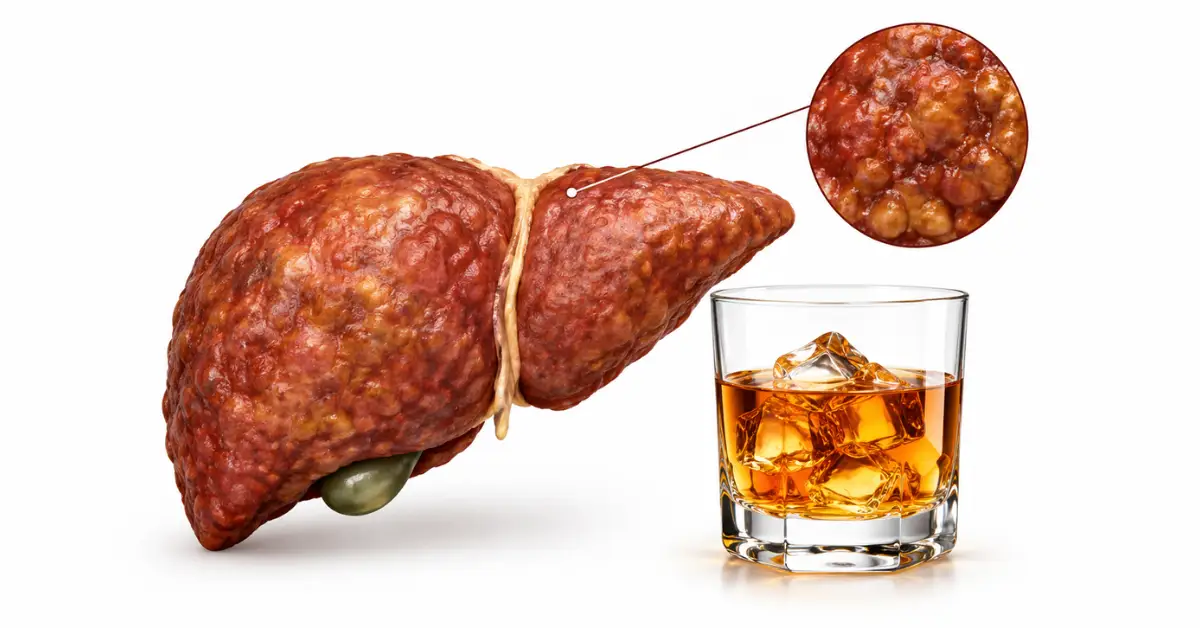
  • Alcoholic Fatty Liver Disease (AFLD) is directly caused by heavy alcohol use. The liver processes alcohol, and when too much alcohol is consumed regularly, the liver cannot metabolise fat efficiently so fat builds up. The good news here is that abstaining from alcohol often reverses the condition, particularly if caught before significant scarring has occurred.
  • Metabolic Associated Fatty Liver Disease (MAFLD) to better reflect the metabolic roots of the condition and move away from the misleading "non-alcoholic" framing. You may see both terms used interchangeably in medical settings.

Who is at Risk for Fatty Liver Disease?

Fatty liver disease does not discriminate, but certain groups carry a significantly higher risk. Knowing where you sit on that spectrum is one of the most useful things you can do for your long-term health.

  • Overweight and Obesity are the strongest risk factors. Excess body fat particularly fat stored around the abdomen directly contributes to fat accumulation in the liver. Even being mildly overweight raises your risk meaningfully.
  • Type 2 Diabetes and Insulin Resistance are closely linked to fatty liver. When the body's cells stop responding properly to insulin, the liver compensates by producing more fat. Many people with type 2 diabetes have NAFLD without knowing it.
  • High Triglycerides and Low HDL Cholesterol collectively part of what is called metabolic syndrome create conditions inside the body that favour fat storage in the liver.
  • Rapid Weight Loss may seem counterintuitive, but crash dieting, prolonged fasting, or rapid weight loss after bariatric surgery can actually trigger fat accumulation in the liver as the body mobilises fat stores faster than the liver can process them.
  • Certain Medications including corticosteroids, tamoxifen, methotrexate, and some antiretroviral drugs used in HIV treatment can cause or worsen fatty liver as a side effect.
  • Genetics play a role too. Certain gene variants particularly a variant in the PNPLA3 gene significantly increase susceptibility to fatty liver disease. This explains why some people develop severe fatty liver despite having relatively modest risk factors, while others with significant obesity show minimal liver fat.
  • Age matters, with risk increasing after 40, though NAFLD in children and adolescents is a growing concern, particularly in the context of childhood obesity.
  • South Asian populations, including Indians, have been shown to develop fatty liver and metabolic complications at lower BMI thresholds than Western populations meaning the usual weight based cutoffs may underestimate risk in this demographic.

What are the Symptoms of Fatty Liver Disease?

This is where fatty liver disease is most deceptive for the majority of people in the early stages, there are no symptoms at all.

The liver is often called a "silent organ" for a reason. It has an enormous functional reserve, meaning it can continue doing its job even when significantly compromised. By the time symptoms appear, the disease has often already progressed beyond its earliest, most treatable stages.

When symptoms do occur, they tend to be vague and easy to dismiss. A persistent sense of fatigue or low energy that does not improve with rest is one of the most commonly reported early signs. A dull ache or feeling of fullness in the upper right side of the abdomen where the liver sits is another. Some people notice mild nausea or a general sense that something is not quite right digestively, without being able to pinpoint the cause.

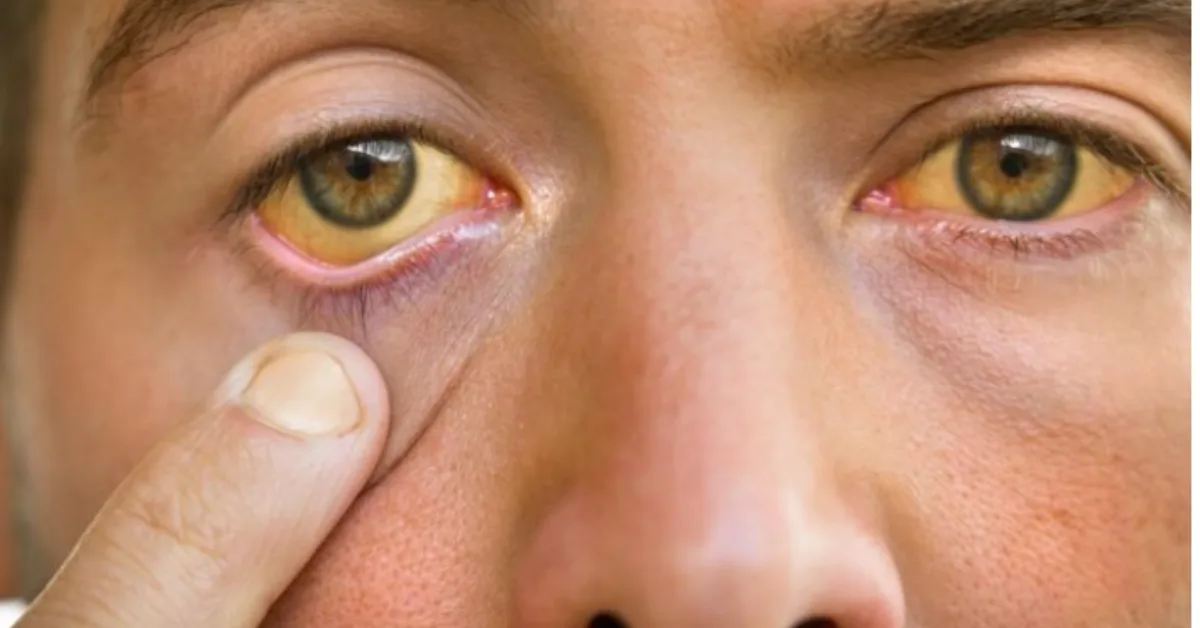
As the disease progresses toward significant fibrosis or cirrhosis, more specific symptoms emerge. These include unintentional weight loss, loss of appetite, weakness, and swelling in the abdomen caused by fluid accumulation (ascites). Jaundice yellowing of the skin and eyes is a sign of seriously impaired liver function and requires immediate medical attention.

The critical takeaway is this: do not wait for symptoms to prompt a check. Doctors now recognise steatotic liver disease as a condition that can cause irreversible damage long before the body gives you any warning signs. If you have known risk factors obesity, diabetes, high cholesterol, a sedentary lifestyle ask your doctor about screening proactively, rather than waiting for a symptom that may never come until serious harm is already done. 

What Causes Fatty Liver Disease?

Fatty liver disease does not have a single cause. It develops through a combination of metabolic, dietary, genetic, and lifestyle factors working together over time.

  • Insulin Resistance sits at the centre of NAFLD development. When muscle, fat, and liver cells stop responding properly to insulin, the pancreas produces more of it. This excess insulin promotes fat synthesis in the liver while simultaneously reducing the liver's ability to export that fat into the bloodstream. The result is fat accumulation.
  • Poor Dietary Habits specifically diets high in refined carbohydrates, added sugars (particularly fructose from soft drinks and processed foods), saturated fats, and ultra-processed foods overload the liver with more fat and sugar than it can efficiently process.
  • Physical Inactivity compounds the problem. Exercise is one of the most powerful tools for improving insulin sensitivity. A sedentary lifestyle reduces the body's ability to clear fat from the bloodstream, increasing the load delivered to the liver.
  • Heavy Alcohol Consumption directly disrupts fat metabolism in the liver. Alcohol is processed by the liver as a priority fuel source, which means normal fat metabolism is pushed aside. Regular heavy drinking leads to fat accumulation, inflammation, and ultimately scarring.
  • Gut Microbiome Imbalance is an emerging area of research. The bacteria that live in the digestive tract influence how the body processes food, manages inflammation, and metabolises fats. Disruptions to this microbial balance from antibiotic use, poor diet, or stress appear to influence fatty liver development, though research in this area is still evolving.
  • Hormonal Factors also play a role. Hypothyroidism, polycystic ovary syndrome (PCOS), and low testosterone in men have all been linked to increased fatty liver risk, likely through their effects on metabolism and insulin sensitivity.

How is Fatty Liver Disease Diagnosed?

Because there are rarely symptoms to prompt a visit to the doctor, fatty liver disease is often discovered incidentally picked up on an ultrasound done for an unrelated reason, or flagged by abnormal liver function tests on a routine blood panel.

  • Blood Tests are usually the first line of investigation. Elevated liver enzymes specifically ALT (alanine aminotransferase) and AST (aspartate aminotransferase) suggest liver inflammation and cell damage. However, it is important to know that many people with fatty liver disease, including some with significant disease, have completely normal enzyme levels. A normal blood test does not rule out fatty liver.
  • Ultrasound is the most commonly used imaging tool for initial diagnosis. It is non-invasive, inexpensive, and can detect moderate to severe hepatic steatosis with reasonable accuracy. The liver appears brighter than normal on ultrasound when fat is present. However, ultrasound is less sensitive for detecting mild steatosis and cannot reliably assess the degree of fibrosis (scarring).
  • FibroScan (Transient Elastography) is a specialised, non-invasive test that measures liver stiffness a proxy for fibrosis. It is increasingly available in liver clinics and provides useful information about how much scarring is present without requiring a biopsy.
  • CT and MRI Scans offer more detailed imaging. MRI-based fat quantification (MRI-PDFF) is currently the most accurate non-invasive way to measure liver fat content and is used increasingly in research and specialist settings.
  • Liver Biopsy remains the gold standard for definitively diagnosing NASH and staging fibrosis. A small needle is inserted into the liver under local anaesthesia to extract a tiny tissue sample, which is examined under a microscope. It is the only way to reliably distinguish between simple steatosis and NASH. However, because it is an invasive procedure with a small risk of complications, it is not performed routinely it is reserved for cases where the diagnosis is uncertain or where knowing the exact stage of disease would change clinical management.

What are the Treatments for Fatty Liver Disease?

Here is something worth knowing upfront: there is currently no approved drug that specifically treats NAFLD or NASH. For most people, lifestyle change is both the primary and the most effective treatment available and when done consistently, it works remarkably well.

  • Weight Loss is the single most powerful intervention. Studies consistently show that losing five to ten percent of body weight significantly reduces liver fat, and losing more than ten percent can reverse NASH and reduce fibrosis. The key is gradual, sustained weight loss roughly 0.5 to 1 kg per week rather than crash dieting, which can paradoxically worsen liver disease.
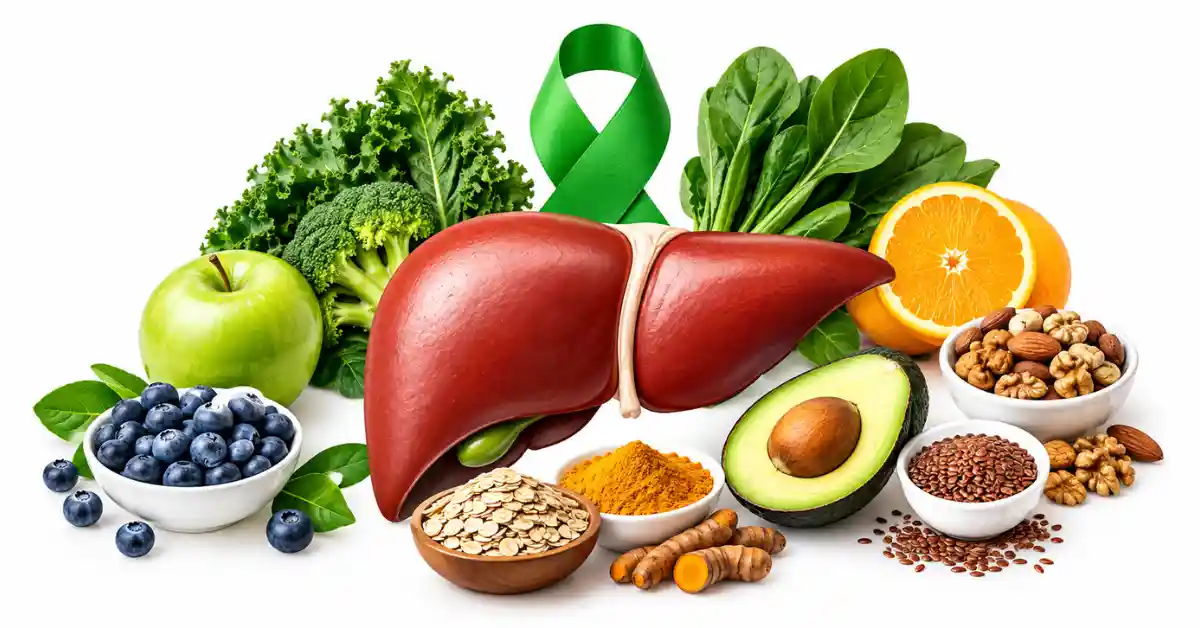
  • Dietary Change is inseparable from weight loss. The Mediterranean diet has the strongest evidence base for improving fatty liver emphasising vegetables, fruits, whole grains, legumes, fish, olive oil, and nuts while limiting red meat, refined carbohydrates, and added sugars. Eliminating sugary drinks, including fruit juices and soft drinks, is one of the most impactful single dietary changes a person can make.
  • Regular Physical Activity improves insulin sensitivity, reduces liver fat, and lowers inflammation independent of weight loss. Both aerobic exercise (walking, cycling, swimming) and resistance training (weights, bodyweight exercises) have demonstrated liver benefits. Current guidelines suggest at least 150 minutes of moderate-intensity exercise per week.
  • Alcohol Reduction or Elimination is essential for anyone with AFLD and strongly advisable for those with NAFLD. Even moderate alcohol consumption in someone with existing liver disease can accelerate progression.
  • Managing Underlying Conditions is equally important. Controlling blood sugar in diabetes, treating high cholesterol with statins where appropriate, and managing thyroid conditions all reduce the metabolic load on the liver.
  • Medications Under Investigation include several promising agents. Semaglutide the GLP 1 receptor agonist used for diabetes and obesity has shown impressive results in reducing liver fat and NASH activity in clinical trials. Resmetirom, a thyroid hormone receptor agonist, became the first drug approved by the FDA specifically for NASH with fibrosis in 2024, marking a significant milestone for the field. Several other drugs are in late-stage trials. This is a rapidly evolving area and your hepatologist will be best placed to advise on emerging options.
  • Bariatric Surgery procedures like gastric bypass or sleeve gastrectomy produces dramatic and sustained weight loss and has been shown to resolve NASH in the majority of patients who undergo it. It is considered in patients with severe obesity who have not responded to lifestyle measures, though it carries its own surgical risks.

When Should you See your Doctor?

You should not wait for symptoms to appear before seeking medical advice about fatty liver disease. If you have any of the following, speak to your doctor and specifically ask whether fatty liver should be investigated.

You carry excess weight, particularly around the abdomen. You have been diagnosed with type 2 diabetes, pre-diabetes, or insulin resistance. Your blood tests have shown elevated triglycerides or low HDL cholesterol. You have been told your liver enzymes are slightly elevated on a blood test. You have a family history of liver disease. You drink alcohol regularly even within what you consider moderate amounts.

Seek urgent medical attention if you experience any of the following, as these can indicate advanced liver disease: yellowing of the skin or eyes, sudden and significant abdominal swelling, confusion or difficulty thinking clearly, vomiting blood, or passing very dark or tarry stools.

What are the Complications of Fatty Liver Disease?

Simple fatty liver fat in the liver without significant inflammation carries a relatively low risk of serious complications if it is identified and managed. The danger lies in progression.

  • NASH and Fibrosis develop in roughly 20 to 30 percent of people with NAFLD. When inflammation accompanies the fat, liver cells begin to die and are replaced with scar tissue a process called fibrosis. Early fibrosis is reversible. Advanced fibrosis becomes progressively harder to reverse.
  • Cirrhosis is the endpoint of long-term, uncontrolled fibrosis. The liver becomes hardened and nodular, and its ability to function properly is severely compromised. Cirrhosis itself brings a cascade of complications portal hypertension, oesophageal varices (enlarged, fragile veins that can bleed), ascites, and hepatic encephalopathy (confusion caused by toxins the liver can no longer filter).
  • Liver Cancer specifically hepatocellular carcinoma can develop in the context of NASH related cirrhosis. NAFLD has become one of the leading causes of liver cancer globally, a trend that is expected to worsen as NAFLD prevalence continues to rise.
  • Cardiovascular Disease is the leading cause of death in patients with NAFLD not liver failure. The same metabolic factors that drive fatty liver also accelerate atherosclerosis and increase the risk of heart attack and stroke. Managing cardiovascular risk is therefore just as important as managing the liver disease itself.
  • Liver Failure and Liver Transplantation represent the most severe outcomes in a small proportion of patients with end stage NASH related cirrhosis. NASH is now one of the leading indications for liver transplantation in many countries.

Can Fatty Liver Disease be Prevented?

For the vast majority of people, the answer is yes and the prevention strategies are the same as the treatment strategies, just applied earlier.

Maintaining a healthy body weight is the most important single protective factor. This does not require achieving an idealised body mass index even modest, sustained weight management significantly reduces liver fat accumulation.

Eating a diet built around whole, minimally processed foods vegetables, legumes, whole grains, lean proteins, healthy fats and limiting ultra-processed foods, sugary beverages, and refined carbohydrates protects the liver from the metabolic overload that drives NAFLD.

Staying physically active throughout your life preserves insulin sensitivity and metabolic health, both of which are directly protective against fatty liver disease.

Limiting alcohol intake or avoiding it altogether removes one of the most direct causes of liver fat accumulation and inflammation.

Managing chronic conditions like diabetes, high blood pressure, and high cholesterol through medication and lifestyle reduces the systemic metabolic burden that contributes to liver disease.

Finally, routine health checks matter. A basic blood panel and liver ultrasound every few years particularly if you have risk factors can catch early changes before they progress to something harder to treat.

Results: What Happens When you Take Action

The outcome of fatty liver disease depends almost entirely on when it is caught and how seriously it is addressed. People who identify fatty liver at the simple steatosis stage and make meaningful lifestyle changes can fully normalise their liver within months. Liver fat is dynamic the liver responds relatively quickly to reduced calorie intake, better food choices, and regular exercise. Many patients who lose ten percent of their body weight see their liver function tests normalise, their ultrasound improve, and their metabolic markers improve alongside them.

For those with early NASH and mild fibrosis, reversal is still very much achievable. Clinical evidence now firmly establishes that fibrosis at stages one and two can regress with sustained lifestyle change and, where appropriate, pharmacological support. Advanced fibrosis and cirrhosis are harder to reverse, but even at this stage, halting progression and preventing complications is a realistic and worthwhile goal. With careful management, many patients with compensated cirrhosis live for years without major complications.

Frequently Asked Questions

Fatty liver disease often develops silently, but some people may experience noticeable symptoms. Five common signs include persistent fatigue, discomfort or pain in the upper right abdomen, unexplained weight loss, weakness, and an enlarged liver detected during a medical examination. In advanced stages, symptoms such as jaundice and abdominal swelling may also occur.

The main cause of fatty liver is the accumulation of excess fat in liver cells, often linked to obesity and insulin resistance. Other contributing factors include type 2 diabetes, high cholesterol, poor dietary habits, physical inactivity, and excessive alcohol consumption. These factors disrupt normal fat metabolism, leading to fat buildup and potential liver inflammation over time.

Fatty liver disease can become serious if left untreated. Early-stage fatty liver is often reversible through lifestyle changes such as weight loss, healthy eating, and regular exercise. However, advanced cases may progress to liver inflammation, fibrosis, cirrhosis, liver failure, or even liver cancer. Early diagnosis and proper management significantly reduce the risk of complications.

Fatty liver disease occurs when excess fat builds up in the liver, affecting function and overall health.

Conditions Treated

Comprehensive medical care for a wide range of conditions, focused on recovery, symptom management, and long-term wellness.

Read Next

Long Term Care After Liver Transplant
Discover lifelong strategies, medications, monitoring, and healthy habits to
Recovery After Liver Transplant
Learn recovery steps, medications, nutrition, follow up care, and
Living Donor vs Deceased Donor Transplant
Learn the differences, benefits, risks, and outcomes of living
Understanding Liver Transplant Eligibility
Explore liver transplant eligibility, evaluation criteria, and essential guidance
Fatty Liver Disease Treatment
Fatty liver disease develops due to excess fat buildup