Complete Liver Transplant Program

A liver transplant can be one of the most significant and life changing medical treatments a person may ever undergo. For patients living with advanced liver disease, liver failure, liver cancer, or certain inherited liver disorders, transplantation often represents the best opportunity for long term survival and improved quality of life. However, successful transplantation involves much more than the surgical procedure itself. From the moment a patient is referred for evaluation, a complex network of specialists, coordinators, surgeons, nurses, and support professionals work together to guide every stage of the transplant journey. Careful assessment, donor matching, surgical expertise, intensive postoperative monitoring, rehabilitation, and lifelong follow up all contribute to successful outcomes. A Complete Liver Transplant Program brings these services together under one integrated framework, ensuring that patients receive coordinated, personalized, and comprehensive care throughout the entire transplantation process.

Whether a patient requires a living donor transplant, a deceased donor transplant, or a pediatric liver transplant, a comprehensive program provides the expertise, infrastructure, and ongoing support needed to achieve the best possible outcomes.
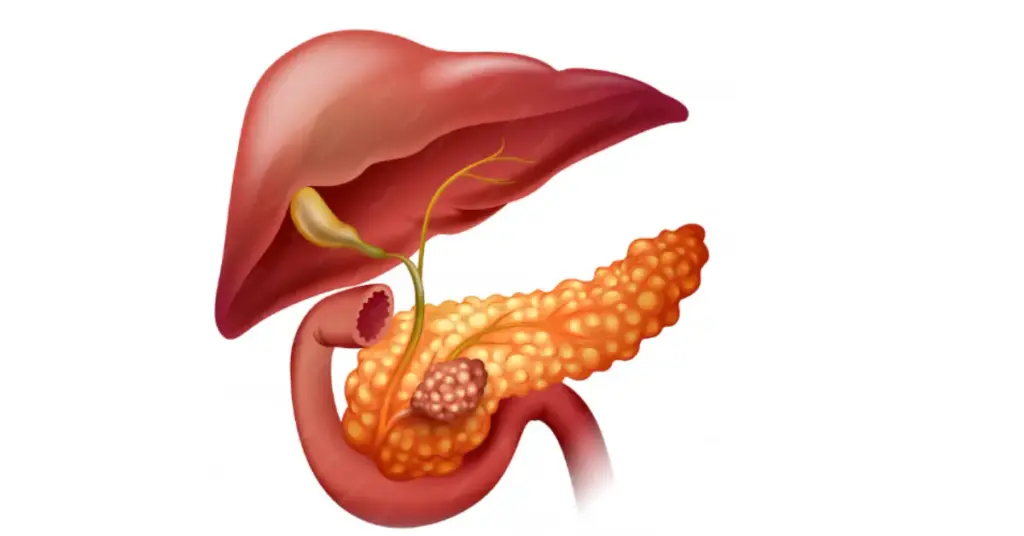
Understanding a Complete Liver Transplant Program

A Complete Liver Transplant Program is a specialized healthcare service that provides comprehensive care for patients requiring liver transplantation. Rather than focusing solely on surgery, the program addresses every aspect of treatment from diagnosis and evaluation to transplantation, recovery, and lifelong follow up care. The objective is to create a seamless patient experience where medical decisions, surgical planning, rehabilitation, and long term monitoring are coordinated through a single multidisciplinary team. This integrated approach improves communication, enhances patient safety, and supports better clinical outcomes.

Who May Need a Liver Transplant?

Liver transplantation may be considered when liver function becomes severely impaired or when other treatment options are no longer effective.

Common conditions that may lead to transplantation include:

Condition Why Transplant May be Needed
Advanced Cirrhosis Progressive loss of liver function
Acute Liver Failure Sudden life threatening liver dysfunction
Fatty Liver Disease (NASH) Advanced liver damage and cirrhosis
Chronic Viral Hepatitis Long term liver injury
Liver Cancer Selected early stage cases
Biliary Disorders Severe bile duct disease
Genetic and Metabolic Disorders Irreversible liver dysfunction

Each patient's treatment pathway is individualized based on disease severity and overall health status.

Why a Comprehensive Program Matters

Liver transplantation is among the most complex procedures in modern medicine. Success depends not only on surgical expertise but also on careful patient selection, nutritional optimization, psychological readiness, donor evaluation, infection prevention, and long term monitoring. A comprehensive program ensures that every component of care is coordinated through a structured framework.

Program Element Patient Benefit
Integrated Evaluation Better treatment planning
Multidisciplinary Care Comprehensive decision making
Specialized Surgical Teams Enhanced procedural safety
Coordinated Follow Up Improved long term outcomes
Rehabilitation Support Faster recovery
Lifelong Monitoring Early detection of complications

Core Components of a Complete Liver Transplant Program

A successful transplant program is built upon multiple interconnected services. These services work together to support patients throughout every phase of treatment.

Core Service Purpose
Transplant Evaluation Determine eligibility
Living Donor Program Expand transplant options
Deceased Donor Program Facilitate organ allocation
Surgical Services Perform transplantation
Intensive Care Support Manage postoperative recovery
Rehabilitation Services Promote recovery and independence
Long Term Follow Up Protect graft function

Together, these components create a comprehensive continuum of care.

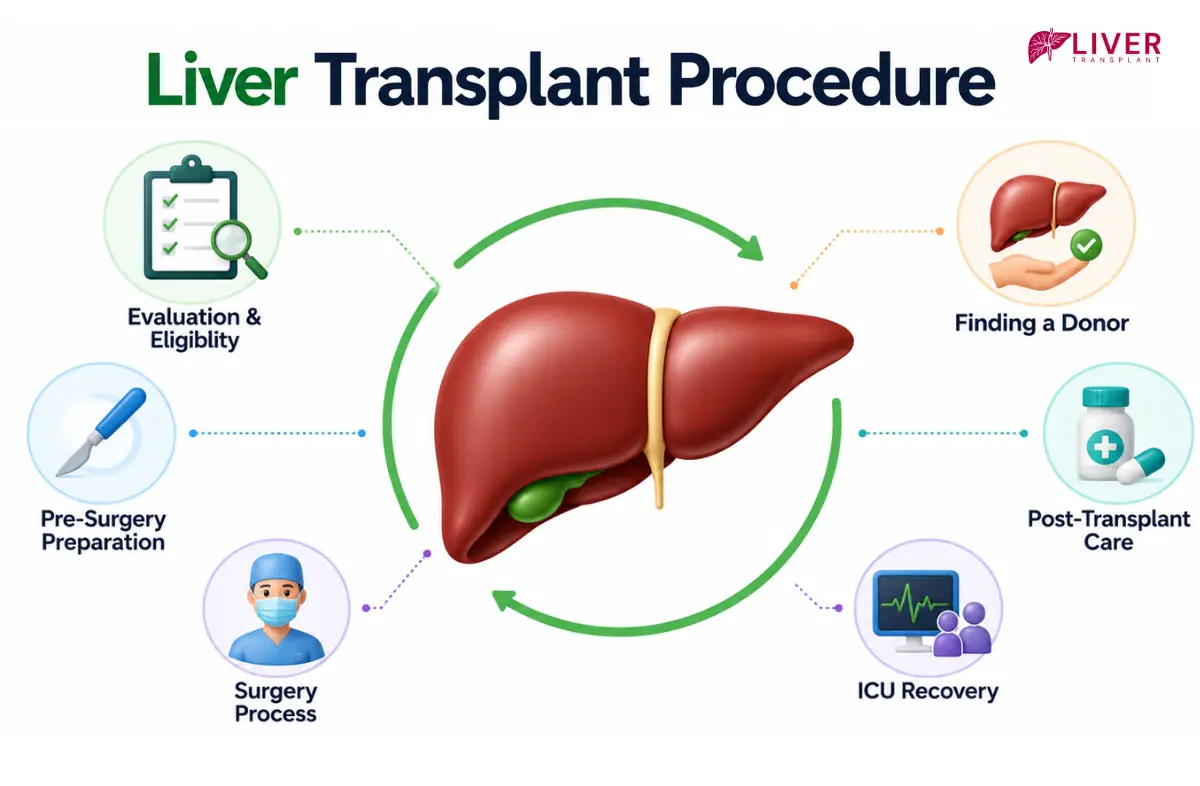
Liver Transplant Evaluation and Eligibility Assessment

Every transplant journey begins with a detailed evaluation process. Specialists assess liver disease severity, overall health, heart and lung function, nutritional status, psychosocial readiness, and potential surgical risks. Laboratory investigations, imaging studies, and multidisciplinary consultations help determine whether transplantation is the most appropriate treatment option. The evaluation process also provides patients and families with a clearer understanding of what to expect before, during, and after transplantation.

Living Donor Liver Transplantation

Living donor transplantation allows a healthy individual to donate a portion of their liver to a recipient. Because the liver has a unique ability to regenerate, both donor and recipient liver tissue can grow and regain function over time. Benefits of living donor transplantation may include shorter waiting times, planned surgery scheduling, and reduced risk of deterioration while awaiting a donor organ. Careful donor evaluation remains essential to ensure safety for both donor and recipient.

Deceased Donor Liver Transplantation

Deceased donor transplantation remains a vital component of modern transplant programs. Patients are placed on transplant waiting lists according to established allocation criteria that consider disease severity, urgency, and donor compatibility. When a suitable organ becomes available, the transplant team rapidly coordinates recipient preparation, surgical planning, and transplantation. This pathway offers life saving treatment for many patients who do not have access to a living donor.

Pediatric Liver Transplant Services

Children with severe liver disease require highly specialized care that differs significantly from adult transplantation. Pediatric transplant programs address growth, nutrition, developmental needs, family support, and age specific medical considerations. Close collaboration among pediatric hepatologists, transplant surgeons, nutritionists, psychologists, and nursing teams helps ensure comprehensive care for young patients and their families. The ultimate goal extends beyond survival to include healthy growth, development, and long term quality of life.

Preparing for Liver Transplant Surgery

Preparation plays a critical role in transplant success. Patients are encouraged to optimize nutrition, remain physically active within their capabilities, adhere to medical recommendations, and maintain regular communication with the transplant team. Education regarding medications, postoperative expectations, caregiver responsibilities, and recovery planning helps patients approach surgery with greater confidence and understanding. A well prepared patient is often better positioned for a smoother recovery.

Advanced Surgical Expertise and Technology

Modern liver transplantation benefits from remarkable advances in surgical techniques, imaging technology, anesthesia, and perioperative care. Comprehensive transplant programs utilize sophisticated operating rooms, advanced monitoring systems, and specialized surgical teams experienced in managing complex transplant procedures. These innovations contribute to improved safety, reduced complications, and better long term outcomes.

Immediate Post Transplant Care

Recovery begins immediately after surgery. Patients receive intensive monitoring to assess liver function, manage medications, prevent infections, and identify potential complications at the earliest possible stage. The first few weeks after transplantation are particularly important, as the transplant team closely monitors the body's response to the new liver and adjusts treatment plans accordingly. This structured approach supports a safe transition from surgery to recovery.

Long Term Post Transplant Support

Successful transplantation requires lifelong care. Regular follow up visits, laboratory monitoring, medication management, nutritional guidance, and health education help protect liver function and reduce the risk of complications.

Long Term Support Service Purpose
Routine Monitoring Track liver health
Medication Management Prevent rejection
Nutritional Counseling Support overall wellness
Psychological Support Address emotional needs
Lifestyle Guidance Promote long term health

Continuous follow up remains one of the most important factors influencing transplant success.

Managing Life After Liver Transplantation

For many patients, transplantation marks the beginning of a new chapter rather than the end of treatment. Most individuals gradually return to daily activities, work, education, travel, and family responsibilities following recovery. However, maintaining long term health requires ongoing commitment to medication adherence, healthy lifestyle habits, and routine medical care. With proper support and follow up, many transplant recipients enjoy excellent quality of life and long term independence.

Outcomes and Quality Indicators

A high quality transplant program continuously evaluates performance and patient outcomes.

Important indicators include:

Quality Measure Significance
Patient Survival Long term success
Graft Survival Liver function over time
Complication Rates Safety monitoring
Infection Control Postoperative protection
Follow Up Compliance Long term health outcomes

These measures help maintain clinical excellence and support ongoing improvement.

Why Choose a Complete Liver Transplant Program?

Choosing where to undergo a liver transplant is one of the most important healthcare decisions a patient and family can make. A comprehensive transplant program offers far more than surgical expertise alone it provides an integrated support system designed to guide patients through every phase of care.

Program Strength Patient Benefit
Multidisciplinary Expertise Collaborative treatment planning
Comprehensive Evaluation Personalized transplant decisions
Living and Deceased Donor Services Greater transplant opportunities
Advanced Surgical Infrastructure Enhanced precision and safety
Pediatric Transplant Expertise Specialized care for children
Dedicated Coordinators Streamlined patient support
Long Term Follow Up Programs Improved transplant longevity

The most successful transplant outcomes are often achieved when patients have access to coordinated care, experienced specialists, and continuous support before and after transplantation.

Key Takeaways

Key Point Summary
Comprehensive Care Covers evaluation through lifelong follow up
Multiple Transplant Options Living donor, deceased donor, and pediatric services
Multidisciplinary Expertise Coordinated specialist care
Advanced Surgical Support Modern technology and experienced teams
Long Term Monitoring Essential for lasting success
Patient Centered Approach Personalized treatment planning

Conclusion

A Complete Liver Transplant Program represents the highest level of coordinated care for individuals facing advanced liver disease. By bringing together evaluation services, donor programs, surgical expertise, intensive postoperative management, rehabilitation, and lifelong follow up, it creates a seamless pathway designed to support patients at every stage of treatment. For many individuals and families, the transplant journey begins with uncertainty and difficult questions about the future. Through comprehensive evaluation, personalized treatment planning, expert surgical care, and ongoing support, a complete transplant program helps transform that uncertainty into a structured path toward recovery, renewed health, and improved quality of life. Ultimately, successful transplantation is not defined by a single operation. It is built upon continuous collaboration, patient centered care, and long term commitment allowing patients to move forward with confidence and hope for the future.

Frequently Asked Questions

Most programs include evaluation, donor assessment, transplantation, intensive postoperative care, rehabilitation, and long term follow up services.

Specialists evaluate liver disease severity, overall health, medical history, and transplant eligibility through a comprehensive assessment process.

Living donor transplantation uses a portion of a healthy donor’s liver, while deceased donor transplantation uses an organ from a deceased donor.

Recovery varies among patients, but most individuals require several months of ongoing monitoring and rehabilitation following surgery.

Yes. Regular follow up appointments, laboratory tests, and medication management remain essential to maintaining long term transplant health and preventing complications.

Explore liver transplant eligibility, evaluation criteria, and essential guidance to help patients and families prepare
A complete liver transplant program provides expert assessments, advanced treatment, and personalized support for successful recovery.

Conditions Treated

Comprehensive medical care for a wide range of conditions, focused on recovery, symptom management, and long-term wellness.

Read Next

Discover lifelong strategies, medications, monitoring, and healthy habits to maintain
Learn recovery steps, medications, nutrition, follow up care, and lifestyle
Get ready for liver transplant surgery with practical steps, nutrition,
Learn the differences, benefits, risks, and outcomes of living and
Explore liver transplant eligibility, evaluation criteria, and essential guidance to
Fatty liver disease develops due to excess fat buildup in