
Feeling unusually tired for weeks, experiencing unexplained joint pain, or noticing a change in your appetite may not immediately make you think about your liver. That is one reason autoimmune hepatitis symptoms can be difficult to recognise early.
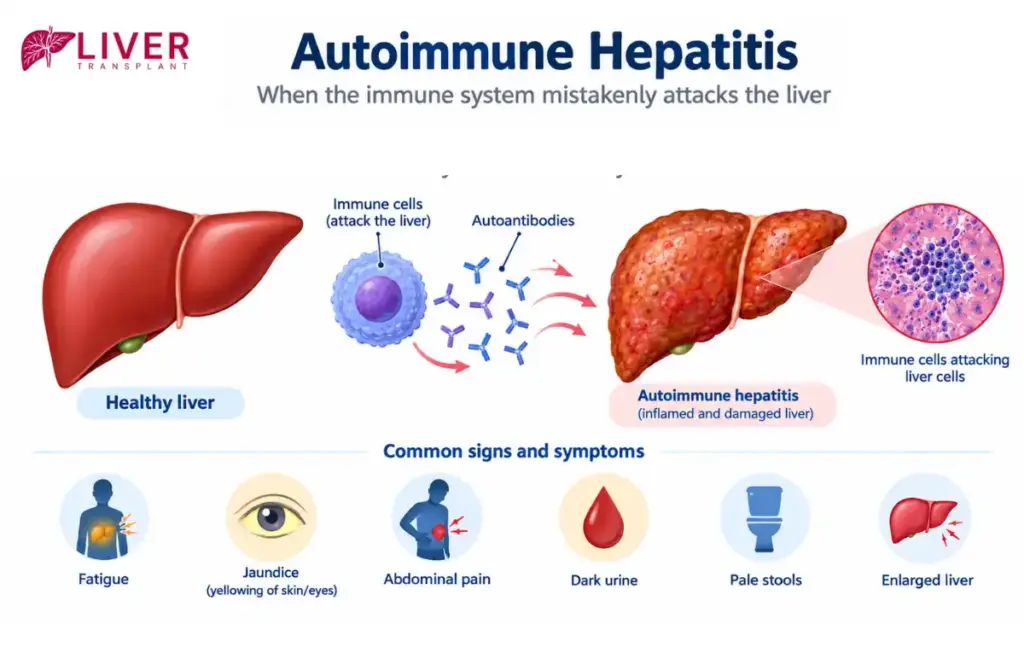
Autoimmune hepatitis is a chronic condition in which the immune system mistakenly attacks the liver, causing ongoing inflammation. Autoimmune hepatitis symptoms can range from mild and nonspecific to severe, and some people have no noticeable symptoms at all.
The important point is that symptoms alone cannot tell you how much inflammation or liver damage is present. In some people, abnormal liver blood tests are the first clue that something is wrong.
It May Begin With Symptoms That Seem Completely Ordinary
Early autoimmune hepatitis does not always produce a dramatic liver-related symptom. Instead, the first changes may look like everyday problems that could easily be attributed to stress, poor sleep, digestion or another condition.
Common symptoms can include:
- Persistent fatigue: Feeling unusually tired or lacking energy is one of the common symptoms. It may continue even after adequate rest and may be difficult to explain.
- Joint pain: Aching or discomfort in the joints can occur and may appear before more obvious liver-related symptoms.
- Nausea or reduced appetite: Some people experience nausea, eat less than usual, or gradually lose interest in food.
- Upper abdominal discomfort: Pain or discomfort may occur in the upper abdomen, particularly around the area of the liver.
- Jaundice: Yellowing of the whites of the eyes or skin can occur when liver function becomes significantly affected.
- Changes in urine or stool colour: Urine may become darker and stools may become unusually pale.
Not everyone experiences these symptoms, and their presence does not automatically mean a person has autoimmune hepatitis. Several liver and non-liver conditions can produce similar complaints.
Sometimes the First Warning Comes From a Blood Test
This is an important part of autoimmune hepatitis that many people do not realise.
A person can have autoimmune hepatitis without feeling unwell. In these cases, elevated liver enzymes may be discovered during routine blood work or an evaluation for an unrelated concern.
A liver specialist therefore does not diagnose autoimmune hepatitis simply because someone has fatigue or a positive antibody test. The overall clinical picture matters including liver enzymes, immunoglobulin G (IgG), autoantibodies, exclusion of other liver diseases and, when appropriate, liver biopsy findings.
This is why an unexpectedly abnormal liver test should not automatically be ignored just because there are no symptoms.
When the Liver is More Seriously Affected, the Signs Can Change
As liver inflammation becomes more significant or complications such as cirrhosis develop, symptoms may become more noticeable.
These can include:
- More obvious jaundice: Yellowing of the eyes or skin may become increasingly noticeable.
- Unintentional weight loss and weakness: Persistent inflammation or advanced liver disease can affect appetite, nutrition and overall strength.
- Abdominal swelling: Fluid can accumulate in the abdomen, a complication known as ascites.
- Swelling of the legs and feet: Fluid retention may cause swelling around the ankles or lower legs.
- Persistent itching: Itching can occur with liver disease and may become troublesome in some patients.
- Easy bruising or bleeding: Advanced liver dysfunction can affect the body’s ability to maintain normal clotting.
- Confusion or unusual drowsiness: In advanced liver disease, accumulation of toxins can affect brain function, causing difficulty thinking, confusion or marked sleepiness.
- Vomiting blood or passing black stools: These can occur when complications of cirrhosis cause bleeding from enlarged veins in the digestive tract and require emergency medical attention.
These later symptoms should not be interpreted as the normal progression of autoimmune hepatitis. Many people are diagnosed and treated before severe complications develop, which is one reason early evaluation matters.
Why Autoimmune Hepatitis is So Easy to Miss
The challenge is not simply that symptoms are mild. It is that the severity of symptoms does not always match the amount of liver inflammation.
Someone who feels relatively well may still have significant ongoing inflammation, while another person may experience noticeable symptoms without having advanced permanent liver damage.
This makes persistent unexplained symptoms or abnormal liver tests worth investigating rather than simply waiting for more obvious symptoms to appear.
Autoimmune hepatitis can also resemble other liver conditions. Viral hepatitis, medication-related liver injury and metabolic liver disease can produce overlapping laboratory or clinical findings, so doctors need to distinguish between these possibilities before confirming a diagnosis.
How Doctors Work Out Whether the Symptoms Are Really Autoimmune Hepatitis
There is no single symptom, blood test or antibody that confirms autoimmune hepatitis. Diagnosis usually involves putting several pieces of information together.
| Evaluation | What it helps doctors understand |
| Liver blood tests | ALT and AST can show liver-cell injury and help monitor response to treatment. |
| Autoantibody tests | ANA, SMA and other antibodies can support the diagnosis. |
| IgG level | An elevated IgG level can provide another important clue. |
| Tests for other liver diseases | Helps rule out viral, metabolic, medication-related and other causes of liver inflammation. |
| Imaging | Ultrasound, CT or MRI may assess the liver and look for structural changes or complications. |
| Liver biopsy | When needed, tissue examination can help confirm the diagnosis and assess the degree of inflammation and scarring. |
A biopsy is not simply used because a patient has symptoms. It may be recommended when the diagnosis needs confirmation or when doctors need to understand the extent and nature of liver injury.
When Should These Symptoms Be Taken Seriously?
Not every episode of tiredness or nausea requires an urgent liver evaluation. But persistent, unexplained symptoms particularly when accompanied by abnormal liver tests deserve medical assessment.
Seek prompt medical attention if there is:
- New or rapidly worsening yellowing of the eyes or skin
- Significant abdominal swelling
- Severe weakness or rapidly worsening illness
- Confusion, unusual drowsiness or difficulty thinking
- Vomiting blood or black, tarry stools
- Symptoms suggesting rapidly developing liver dysfunction
These signs can indicate serious liver complications and should not be managed by waiting for symptoms to settle on their own.
Treatment is About Stopping the Immune Attack Before Damage Progresses
The goal of treatment is not simply to make symptoms disappear. It is to control the abnormal immune response, reduce liver inflammation and prevent further liver damage and complications.
Doctors commonly use corticosteroids and other immunosuppressive medicines to control autoimmune hepatitis. Blood tests particularly liver enzymes such as ALT and AST, along with other relevant markers—are used to assess how well treatment is working.
Many patients can achieve remission with appropriate treatment. However, autoimmune hepatitis is often a long-term condition, and treatment should not be stopped or changed without medical supervision because the disease can return and cause further liver injury.
The earlier significant inflammation is recognised and appropriately managed, the better the opportunity to reduce the risk of cirrhosis and other complications.
Does Having Symptoms Mean the Liver is Already Permanently Damaged?
No.
Having fatigue, joint pain, nausea or even jaundice does not by itself tell you whether permanent liver damage has occurred.
Doctors assess the extent of liver injury using blood tests, imaging, clinical findings and, when appropriate, liver biopsy. The important distinction is between active inflammation that can be treated and established scarring that may have developed over time.
That is why a diagnosis of autoimmune hepatitis should not automatically be viewed as a prediction of liver failure. With appropriate treatment and monitoring, inflammation can often be brought under control and the risk of progression reduced.
The Important Takeaway
Autoimmune hepatitis does not always announce itself with a clear liver-related symptom. It may begin with fatigue, joint pain, nausea, reduced appetite or vague abdominal discomfort or with no symptoms at all.
That is why persistent unexplained symptoms or abnormal liver tests deserve proper evaluation rather than reassurance based on symptoms alone.
Most importantly, a diagnosis of autoimmune hepatitis does not mean that severe liver damage is inevitable. The condition can often be controlled with appropriate treatment and monitoring, with the aim of preventing inflammation from progressing to cirrhosis and other complications.
The goal is not simply to recognise the symptoms. It is to recognise the possibility early enough to find the cause, assess the liver properly and start the right treatment when it is needed.
Read More: Is Coffee Good for Fatty Liver?