When it comes to liver health, the internet is full of detox drinks, miracle foods and “liver-cleansing” remedies.
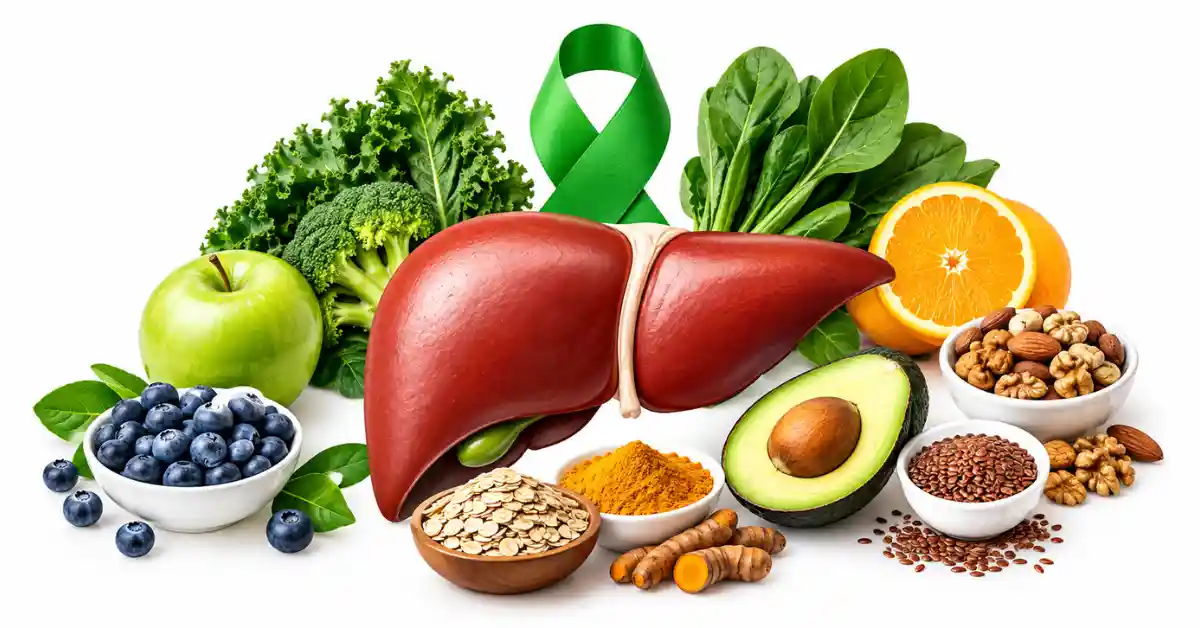
But your liver does not need a special cleanse. What it needs is a dietary pattern that consistently gives your body the nutrients it needs while reducing excess sugar, unhealthy fats, highly processed foods and, when appropriate, alcohol. When looking for the best foods for liver health, vegetables, whole fruits, legumes, whole grains, fish, nuts and other minimally processed foods can all have a place in that pattern.
The good news is that you do not need an expensive “liver diet” to get started. Many of the best foods for liver health are already familiar parts of everyday Indian cooking.
Best Foods for Liver Health -Your Liver Benefits From the Pattern, Not One “Superfood”
There is no single food that can repair a damaged liver or “flush toxins” out of it. The liver already performs its own detoxification functions. From a nutritional perspective, the more meaningful goal is to create meals that support healthy body weight, blood sugar, cholesterol and overall metabolic health.
This becomes particularly important for people with metabolic dysfunction-associated steatotic liver disease (MASLD), commonly known as fatty liver disease. In such cases, improving the overall quality of the diet and managing excess weight when appropriate can help reduce liver fat and may improve liver inflammation.
So instead of asking:
“What is the best food for my liver?”
A more useful question is:
“What should my everyday meals contain more often?”
That shift makes liver-friendly eating much easier to understand.
Start by Giving Vegetables More Space on Your Plate
Vegetables are not exciting because they are a trendy “detox food.” They are valuable because they make it easier to build meals around fibre, vitamins, minerals and plant-based foods without relying heavily on calorie-dense processed ingredients.
Leafy greens, broccoli, cauliflower, cabbage, beans, carrots, tomatoes, gourds and other vegetables can all contribute to a varied diet.
- Leafy greens such as spinach and different varieties of keerai can add fibre and a range of micronutrients while fitting easily into familiar meals.
- Cruciferous vegetables such as broccoli, cauliflower and cabbage provide fibre and naturally occurring plant compounds. They are nutritious additions, but there is no need to claim that they “detox” the liver.
- Colour variety is more useful than searching for one perfect vegetable. Rotating green, orange, red and other vegetables gives your diet a broader range of nutrients.
There is also a useful lesson hidden in traditional Indian cooking: vegetables were often incorporated into meals through poriyal, kootu, sambar, sabzi and other preparations, rather than treated as a separate “health food.”
That makes healthy eating easier you do not necessarily need to change your cuisine; you can improve the balance of the meal.
Whole Fruits: Keep the Fruit, Be Careful With the Juice
Fruit contains natural sugars, but that does not make whole fruit unhealthy. Whole fruits also provide fibre, water and nutrients, and can be part of a liver-friendly eating pattern. For people with fatty liver disease, the bigger concern is often large amounts of added sugar and sugar-sweetened drinks, rather than whole fruit itself.
Familiar choices such as guava, apple, orange, papaya, pomegranate and seasonal fruits can fit comfortably into everyday meals.
The important distinction is how you consume them.
| Better everyday choice | Why it makes sense |
| Whole orange | Retains the structure and fibre of the fruit |
| Whole guava | Filling and fibre-rich |
| Sliced apple | Easy whole-fruit snack |
| Bowl of papaya | Simple way to include fruit without added sugar |
| Pomegranate seeds | Whole fruit rather than a concentrated sweet drink |
| Unsweetened fruit with curd | Can make a satisfying snack or breakfast addition |
Whole fruit generally makes more sense than turning several fruits into a large glass of juice. Juice can make it much easier to consume more sugar and calories quickly, particularly when several fruits are concentrated into one drink.
And that is why “fruit juice” and “fruit” should not automatically be treated as nutritionally interchangeable.
Dal Has Been on Indian Plates for Generations For Good Reason
Modern nutrition has a habit of giving old foods new names. Dal, chickpeas, rajma, peas and other legumes were not originally designed as “high-fibre superfoods.” They were simply affordable, practical staples that could provide nourishment and make a meal more filling.
Today, we understand an important part of their nutritional value: legumes provide plant protein and fibre, making them useful components of a balanced eating pattern. Moong dal, masoor dal, toor dal, chana and rajma can all add variety.
And they can be remarkably easy to use.
A bowl of dal alongside vegetables and a sensible portion of rice or roti creates a substantially more balanced meal than relying primarily on refined carbohydrates. The lesson is not to eat dal because it is a “liver food.”
Eat it because it is a nutritious food that fits naturally into a liver-friendly eating pattern.
Choose Protein That Supports the Whole Meal
A common misconception is that eating for liver health automatically means avoiding animal protein.
It does not.
Fish, eggs, skinless chicken, curd, dal, beans and other protein sources can all fit into a balanced diet. The type, portion, frequency and preparation method matter.
| Protein | A practical way to include it |
| Fish | Prefer grilled, steamed, baked or lightly cooked preparations over frequent deep-frying. |
| Dal and beans | Use them regularly as protein-rich staples alongside vegetables. |
| Eggs | A convenient source of high-quality protein that can fit into many meals. |
| Curd/yoghurt | Choose plain or minimally sweetened varieties where possible. |
| Skinless chicken | Can provide lean protein when prepared without excessive frying or rich sauces. |
| Paneer | Can be included, while paying attention to portion size and fat content. |
Fish is particularly interesting because oily fish provides omega-3 fatty acids, which can fit into an overall heart- and metabolic-friendly eating pattern. Historically, coastal communities did not need nutrition labels to know that fish could be a practical staple. Today, nutritional science gives us a better understanding of why fish can be a useful part of a balanced diet.
But there is an important distinction: Fish can be a healthy food without fish fry being a healthy preparation. The cooking method matters.
Whole Grains Can Fit, Even If You Love Rice
Few food debates are as unnecessarily dramatic as the argument over rice. Rice is not automatically bad for your liver.
The more useful questions are: How much are you eating? How often? What type of rice or grain? And what else is on the plate?
Whole grains generally provide more fibre than refined grains, and dietary guidance for fatty liver commonly encourages whole grains and other lower-glycemic food choices while limiting foods high in simple sugars.
That means you can build healthier meals without declaring rice or roti “forbidden.”
For example:
- A moderate portion of rice with dal, vegetables and curd is very different from a large plate of rice with little protein or fibre.
- Whole-wheat roti can work well when paired with vegetables and a protein source rather than eaten in excessive portions.
- Millets can add variety, but they do not need to be treated as magical liver foods.
- Brown rice can be an option if you enjoy it, but simply switching rice varieties does not compensate for an otherwise unbalanced diet.
The goal is balance, not food fear.
Nuts and Seeds: Small Portions, Useful Nutrition
Almonds, walnuts, peanuts, pistachios, flaxseeds and chia seeds can contribute unsaturated fats, fibre and other nutrients to the diet. They can also make snacks more satisfying. But there is one important nutritional reality that gets lost in the “healthy food” conversation:
Healthy does not mean unlimited. Nuts and seeds are calorie-dense. A modest portion can be useful; eating large quantities throughout the day because they are labelled “heart healthy” can still increase overall calorie intake.
The same principle applies to cooking oils. For liver and metabolic health, the quality of fat matters, but quantity still matters too. Replacing saturated and trans fats with unsaturated fats is generally a better direction than simply adding more fat to the diet.
Coffee: The Everyday Drink Worth a Closer Look
Coffee may seem like an odd food to discuss in an article about liver health. Yet it is one of the beverages that has attracted considerable research in relation to liver outcomes. If you already drink coffee, plain or minimally sweetened coffee can fit into a healthy dietary pattern. The important point is not to turn it into a high-sugar drink loaded with syrups and cream.
In other words, coffee does not need to become a “liver remedy.”
It can simply remain coffee. And that reflects a broader principle of good nutrition: the most useful choices are often the ordinary ones you can maintain consistently.
What About Turmeric, Lemon Water and Beetroot?
This is where good nutrition advice needs to separate healthy foods from exaggerated health claims. Turmeric can be part of cooking. Lemon can make water more appealing. Beetroot is a nutritious vegetable. But none needs to be promoted as a magical liver cleanser.
| Food or drink | What you should actually know |
| Lemon water | A simple, low-sugar way to enjoy water, but it does not “flush toxins” from the liver. |
| Beetroot | A nutritious vegetable, not a treatment for liver disease. |
| Turmeric | Useful as a culinary spice; concentrated supplements are a different matter. |
| Green juice | May contain nutrients, but it is not a liver detox treatment. |
| Detox drinks | Your liver does not require a special drink to perform its normal functions. |
| Herbal supplements | “Natural” does not automatically mean safe; some supplements can cause liver injury. |
This last point deserves particular attention.
If you already have liver disease, do not assume that a supplement is safe simply because it is herbal or marketed for liver cleansing. Discuss supplements and concentrated herbal products with your healthcare professional before using them.
The liver is where many substances are metabolised, and some supplements have been associated with liver injury.
What You Reduce Can Be Just as Important as What You Add
Adding a handful of nuts to an otherwise highly processed diet does not transform the whole eating pattern. For liver health particularly when fatty liver is involved the bigger opportunity is often to reduce the foods and drinks that repeatedly contribute excess calories, added sugar and unhealthy fats.
That may mean cutting back on:
- Sugar-sweetened drinks: Soft drinks, sweetened beverages and frequent sugary drinks can add substantial amounts of sugar without providing much satiety.
- Frequent deep-fried foods: Fried snacks and meals can be calorie-dense and may contain large amounts of unhealthy fats depending on the food and cooking oil.
- Highly processed foods: Regularly relying on packaged foods, sweets and processed snacks can make it harder to control total calories, sugar, salt and unhealthy fat intake.
- Large portions of refined carbohydrates: The issue is not that every refined grain must disappear, but that repeatedly consuming large portions can make overall dietary balance difficult.
- Processed meats: These are better kept as occasional foods rather than everyday protein staples.
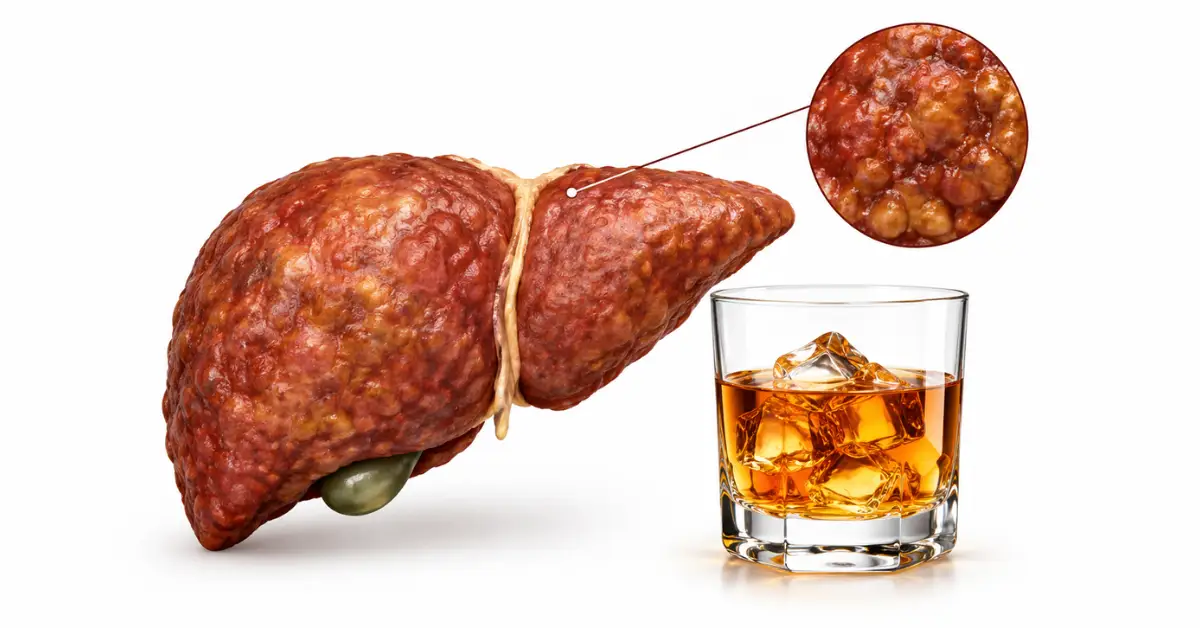
- Alcohol: Alcohol can directly contribute to liver injury. For people with certain liver conditions, complete avoidance may be recommended.
The important point is not perfection. It is what your diet looks like most of the time.
A Liver-Friendly Indian Meal Does Not Have to Look Complicated
Healthy eating becomes much easier when it fits the food you already know how to cook.
| Meal | One practical approach |
| Breakfast | Vegetable oats/upma with egg or plain curd, plus whole fruit |
| Lunch | Moderate rice or whole-wheat roti + dal + vegetables + curd |
| Snack | Whole fruit + a modest portion of nuts or roasted chana |
| Dinner | Fish, dal, egg, chicken or paneer + vegetables + sensible portion of roti or another whole grain |
| Drinks | Water, unsweetened tea or coffee |
This is not a prescription menu. It is simply a way of visualising the principle: vegetables and fibre should have a meaningful place on the plate, protein should not be forgotten, carbohydrate portions should be sensible, and heavily processed foods should not dominate the day. And if your usual food is different, the same principle can be adapted to it.
If You Have Fatty Liver, Food Becomes Part of the Treatment Strategy
For someone with MASLD, simply asking “Which foods are good for my liver?” may not be enough.
The bigger dietary goal may involve improving overall food quality, reducing excess calorie intake and achieving gradual weight loss when appropriate. Even modest, sustained changes can be more meaningful than short-term detox diets. NIDDK notes that weight loss can reduce liver fat and, in appropriate patients, may improve liver inflammation and fibrosis.
This is also where individual medical advice matters. Someone with fatty liver does not necessarily have the same nutritional needs as someone with cirrhosis, autoimmune hepatitis or another liver condition. There is no single “liver diet” that applies to every liver disease.
The Best Food for Your Liver is Part of a Better Pattern
Healthy liver eating is not about finding one food powerful enough to undo an unhealthy diet. It is about what happens meal after meal.
More vegetables. Whole fruit instead of frequent juice. Dal and other quality protein sources. Whole grains where appropriate. Nuts and seeds in sensible portions. Healthier fats. Fewer heavily processed foods and sugary drinks.
Interestingly, many of these principles are not new. Traditional diets around the world including Indian diets have long relied on legumes, vegetables, whole grains, spices, fermented foods and seasonal produce. Modern nutrition is giving us a more detailed understanding of why dietary patterns built around minimally processed foods can support metabolic health.
But food should not be given more power than it has. A healthy diet can support liver health, but it cannot replace medical evaluation or treatment when liver disease is present.
If you have abnormal liver tests, fatty liver, cirrhosis, hepatitis or another diagnosed liver condition, your nutritional needs may be different and should be discussed with your healthcare team. The goal is not to eat perfectly. It is to make the everyday plate a little more supportive of your liver one realistic meal at a time.
Read More: Signs of Liver Failure