If you are feeling tired, eating poorly, drinking alcohol regularly, or simply worried about your liver, it is natural to wonder whether you need a liver detox. But there is an important distinction to understand: your liver already detoxifies your body every day. You do not need a special juice, tea or supplement to switch this process on.
So when it comes to how to detox your liver naturally, the answer is to support your liver and reduce the factors that can damage it. That means eating well, staying active, maintaining a healthy weight, limiting alcohol, being cautious with supplements and addressing conditions that affect liver health. And if you already have liver disease, a “natural detox” should never replace proper medical evaluation or treatment.
Quick Answer: Can You Detox Your Liver Naturally?
There is no proven food, drink or supplement that can flush toxins from your liver. The liver has its own natural detoxification systems and works continuously.
The most effective way to support it naturally is to:
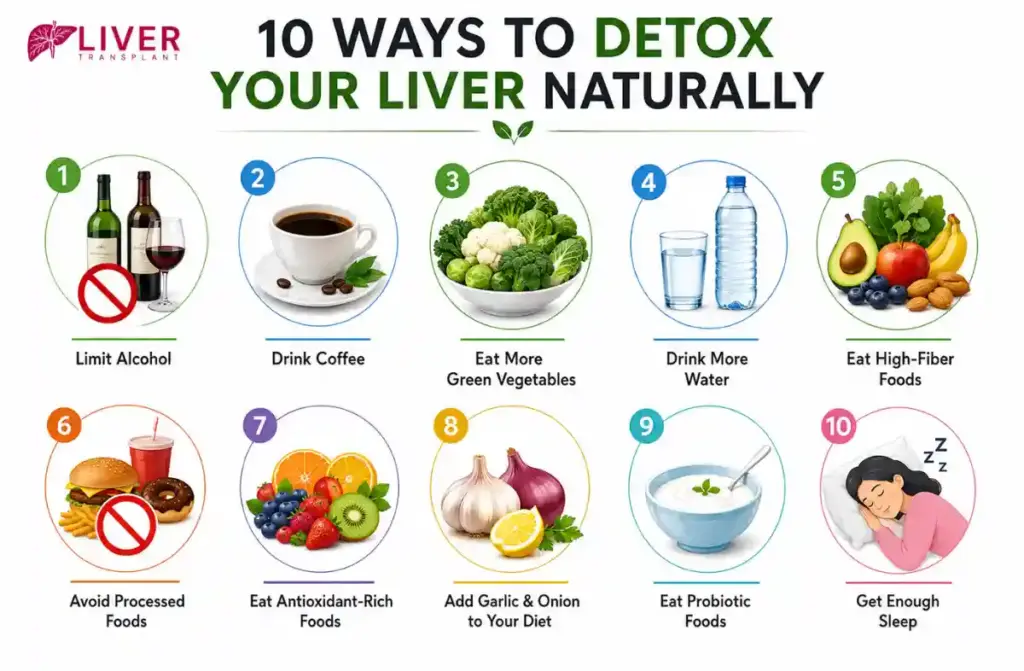
- Limit or avoid alcohol, particularly if you have liver disease or drink heavily.
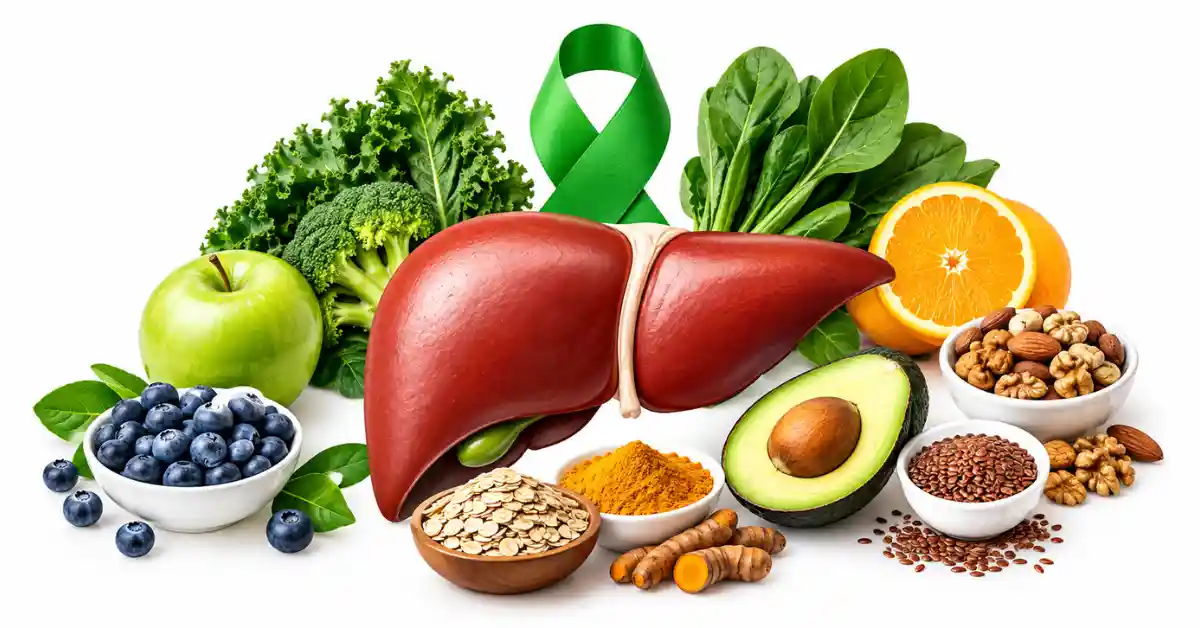
- Eat a balanced diet rich in vegetables, whole fruits, whole grains, legumes and appropriate protein sources.
- Maintain a healthy weight if you have excess weight or metabolic risk factors.
- Exercise regularly to support metabolic health and liver function.
- Avoid unnecessary supplements and medications that may place additional stress on the liver.
- Manage diabetes, cholesterol and other metabolic conditions that can contribute to fatty liver disease.
- Get medical advice when there is a genuine risk of liver disease, rather than relying on a cleanse.
The goal is not to “flush” your liver. It is to give it the best conditions to keep doing its job.
Your Liver Already Has a Natural Detoxification System
The liver continuously processes substances that enter the body, including nutrients, medications, alcohol and other compounds. It chemically modifies many substances so they can be used, broken down or eliminated. The liver also produces bile and performs numerous functions involved in metabolism and waste handling.
So when a product claims to “activate” or “flush” your liver, remember:
Your liver does not wait for a detox product to start working. What matters more is whether you are regularly exposing it to things that can cause injury.
Doctor’s Insight: A healthy liver is already equipped to carry out complex detoxification processes. The more useful approach is to reduce preventable liver stress, rather than adding another product to your routine.
What Actually Helps Your Liver Stay Healthy?
There is no single liver-health trick. The biggest benefits come from consistent habits that address the causes of liver injury.
Reduce alcohol exposure
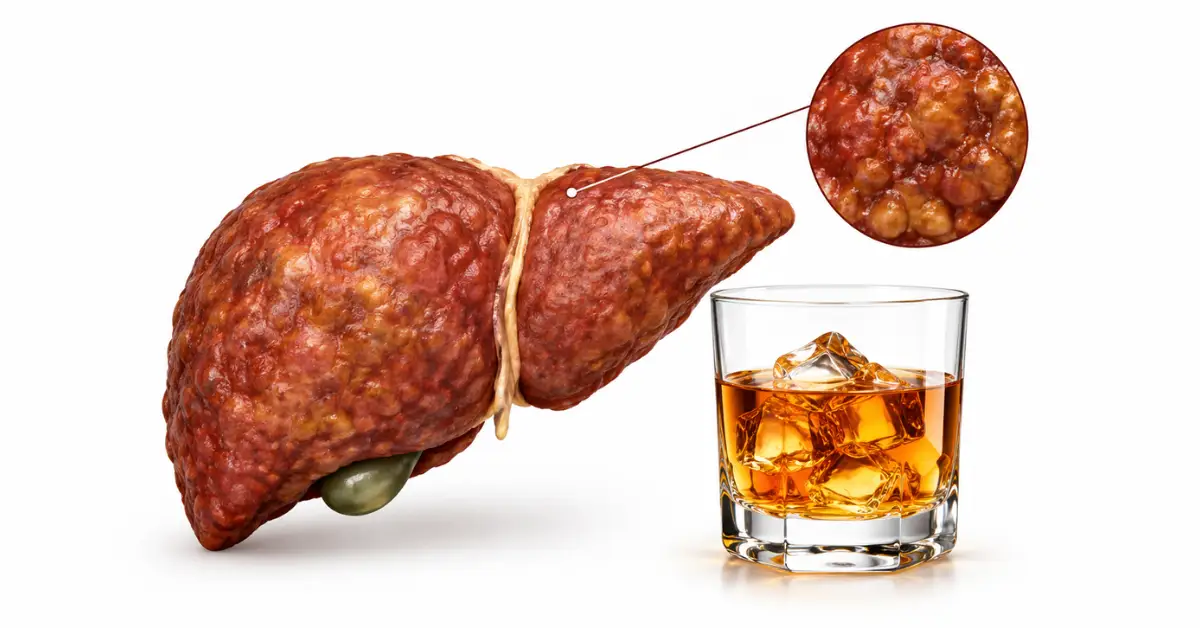
Alcohol can directly damage liver cells, particularly with heavy or prolonged use. If you already have alcohol-related liver disease, avoiding alcohol is an important part of protecting the liver from further injury. If you drink heavily or regularly, medical support may be important when stopping because withdrawal can sometimes be dangerous.
Work towards a healthy weight
Excess weight, insulin resistance and other metabolic problems can contribute to fatty liver disease. If weight loss is appropriate, focus on gradual, sustainable changes rather than crash diets, prolonged fasting or extreme detox programmes.
Stay physically active
Exercise is not a liver cleanse, but regular physical activity supports metabolic health and can help reduce liver fat, particularly in people with metabolic risk factors. Walking, cycling, swimming, strength training or another activity you can maintain consistently can all contribute.
Manage conditions that affect the liver
Diabetes, high cholesterol and obesity can increase the risk of metabolic liver disease. Managing these conditions is therefore part of protecting your liver, not a separate health goal.
Know what you are taking
Prescription medicines should never be stopped without medical advice. However, your doctor should know about all medications, over-the-counter products, herbal preparations and dietary supplements you use. Natural does not automatically mean liver-safe.
Foods That Naturally Support Liver Health
No single food can cleanse or repair the liver. What matters is your overall eating pattern. A balanced diet can help provide essential nutrients while supporting healthy weight and metabolic health.
| Choose more often | Why it can help |
| Vegetables | Provide fibre, vitamins, minerals and beneficial plant compounds |
| Whole fruits | Provide fibre and nutrients; whole fruit is generally preferable to relying heavily on juice |
| Whole grains | Add fibre and can form part of a balanced diet |
| Beans and lentils | Provide fibre and plant-based protein |
| Nuts and seeds | Provide fibre, nutrients and predominantly unsaturated fats |
| Fish and other suitable protein sources | Help meet protein needs |
| Healthy unsaturated fats | Can be used in place of less favourable fat sources |
The goal is not to find one “superfood.”
A consistent, balanced diet is far more meaningful for your liver than adding one supposedly detoxifying ingredient to an otherwise unhealthy routine.
Doctor’s Insight: Liver-friendly eating is less about a list of miracle foods and more about the overall pattern of nutrition. What you eat regularly matters much more than what you eat occasionally.
Foods and Habits That Can Put Extra Stress on the Liver
Supporting your liver also means recognising what may work against it.
| Limit or avoid | Why it matters |
| Alcohol | Can directly contribute to liver injury, especially with heavy or regular use |
| Sugary drinks | Can add substantial sugar and calories without much nutritional value |
| Highly processed foods | Often contain excess calories, refined carbohydrates, sodium and less favourable fats |
| Excess added sugar | Can make weight and metabolic health harder to manage |
| Large amounts of saturated fat | May be less favourable for metabolic health when consumed excessively |
| Unregulated detox products | Some have limited evidence and certain products can cause liver injury |
You do not need to eat perfectly. Liver health is shaped by your long-term pattern, not one meal.
Do Lemon Water, Green Tea and Detox Juices Really Clean the Liver?
This is where many liver-detox claims become misleading.
| Popular option | What it actually does |
| Lemon water | Can contribute to hydration, but does not flush toxins from the liver |
| Green tea | Contains naturally occurring compounds, but is not a liver cleanse or treatment |
| Beetroot juice | Can provide nutrients, but does not “flush” the liver |
| Apple cider vinegar | Has no established role as a liver detox treatment |
| Detox juices | May provide nutrients, but concentrated juices can add considerable sugar and should not replace balanced meals |
If you enjoy lemon water or green tea, you can certainly include them in a healthy routine. Just don’t expect them to repair liver damage or remove accumulated toxins.
Be Careful With “Natural” Liver Detox Supplements
The word natural can create a false sense of safety. Some herbal and dietary supplements can interact with medicines or cause liver injury. The risk can be particularly difficult to assess when products contain multiple ingredients or are poorly regulated.
Before taking a liver-detox supplement:
- Check whether you actually need it.
- Avoid combining several products simply because they promise liver protection.
- Tell your doctor about supplements you already take.
- Do not replace prescribed treatment with a detox product.
Doctor’s Insight: When someone is concerned about their liver, adding several supplements can sometimes make the situation harder to understand. Knowing what is helping, what is unnecessary and what could potentially be harmful is far more important than taking more products.
Common Liver Detox Myths vs Fact
| Myth | Fact |
| “My liver needs to be flushed.” | Your liver already performs detoxification continuously. |
| “Lemon water cleans the liver.” | It can help with hydration but does not cleanse or repair the liver. |
| “Natural supplements cannot harm the liver.” | Some supplements can cause liver injury or interact with medicines. |
| “A 7-day detox can reset my liver.” | There is no established medical basis for a short-term liver “reset.” |
| “If I feel healthy, my liver must be healthy.” | Some liver diseases can develop with few or no obvious symptoms early on. |
| “Liver-friendly foods can reverse any liver disease.” | Good nutrition supports liver health, but established liver disease may require specific treatment. |
The biggest takeaway is simple:
A healthy liver is supported by healthy habits—not a temporary cleanse.
How Do You Know If Your Liver Actually Needs Attention?
This is an important question because liver disease does not always announce itself early. You may feel completely normal while liver injury is developing. On the other hand, tiredness, bloating or digestive symptoms do not automatically mean your liver is damaged.
If there is a reason to suspect liver disease, a doctor may assess:
- Blood tests to look at liver enzymes, bilirubin, proteins and other markers.
- Your medical history, including alcohol use, medications, supplements, weight and metabolic conditions.
- Imaging, such as ultrasound, when appropriate.
- Liver stiffness or fibrosis, which may be assessed using elastography-based tests.
- Additional investigations when another liver condition needs to be ruled out.
Doctor’s Insight: The question is not simply whether your liver enzymes are normal. The more important question is whether liver disease is present, what is causing it and how much damage has occurred.
When a Natural Detox isn’t Enough
There is a major difference between supporting liver health and treating established liver disease. If you have been diagnosed with fatty liver, hepatitis, fibrosis, Liver cirrhosis or alcohol-related liver disease, a detox drink or supplement should not replace medical care.
Seek prompt medical attention if you develop:
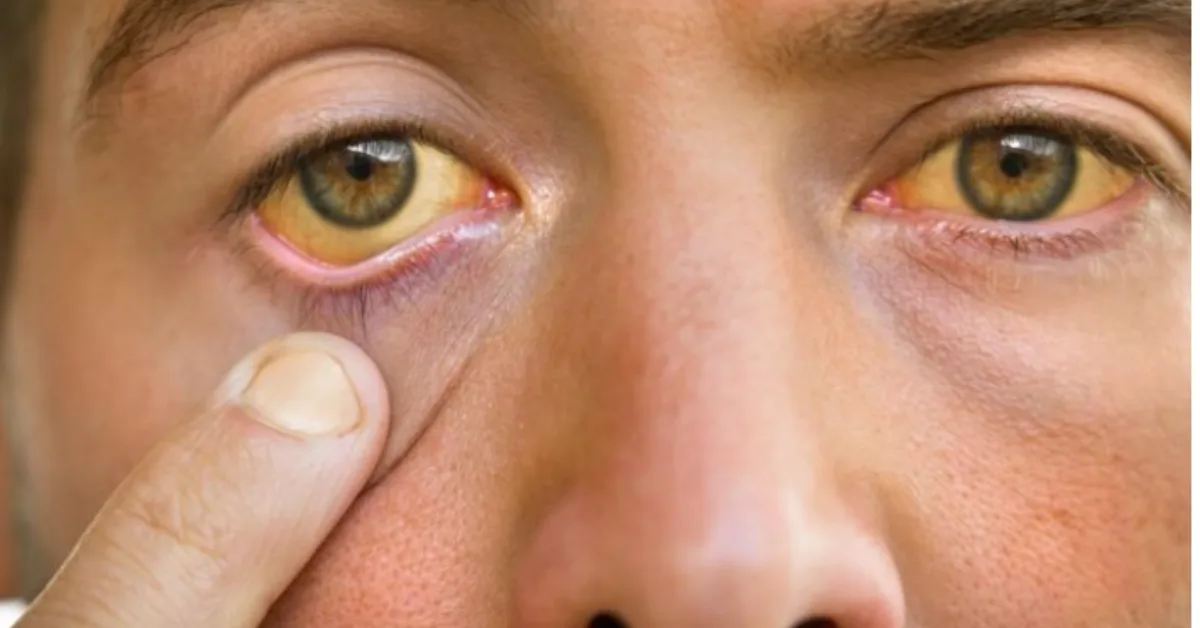
- Yellowing of the skin or eyes
- Vomiting blood
- Black or tarry stools
- Increasing abdominal swelling
- New confusion or unusual drowsiness
- Rapidly worsening or severe symptoms
These signs can indicate significant liver dysfunction or complications and should not be managed with a home cleanse.
When Should You Speak to a Liver Specialist?
Consider medical evaluation if you:
- Have persistently abnormal liver tests
- Have been diagnosed with fatty liver
- Have a history of heavy or prolonged alcohol use
- Have hepatitis or another liver condition
- Have metabolic risk factors such as obesity or diabetes
- Develop symptoms that concern you
- Want to understand whether your liver is actually healthy
Instead of asking only:
“How can I detox my liver?”
the more useful question is:
“Is my liver healthy—and if not, what is causing the problem?”
That answer can guide you toward the right treatment rather than another temporary cleanse.
The Bottom Line
Your liver does not need a miracle cleanse. It needs protection.
The most useful natural approach is surprisingly simple: limit alcohol, eat a balanced diet, stay active, maintain a healthy weight, manage metabolic conditions and be cautious with supplements. You do not need a three-day juice cleanse or an expensive detox powder to make your liver healthier. And if you already have symptoms, abnormal liver tests or known liver disease, don’t try to treat the problem with a cleanse alone.
Support your liver every day not just for seven days. ilities extend far beyond filtering toxins. It plays a central role in digestion, metabolism, immunity, blood clotting, nutrient storage, and maintaining the body’s overall chemical balance.
Read More: Recovery After Liver Transplant