Liver Friendly Diet

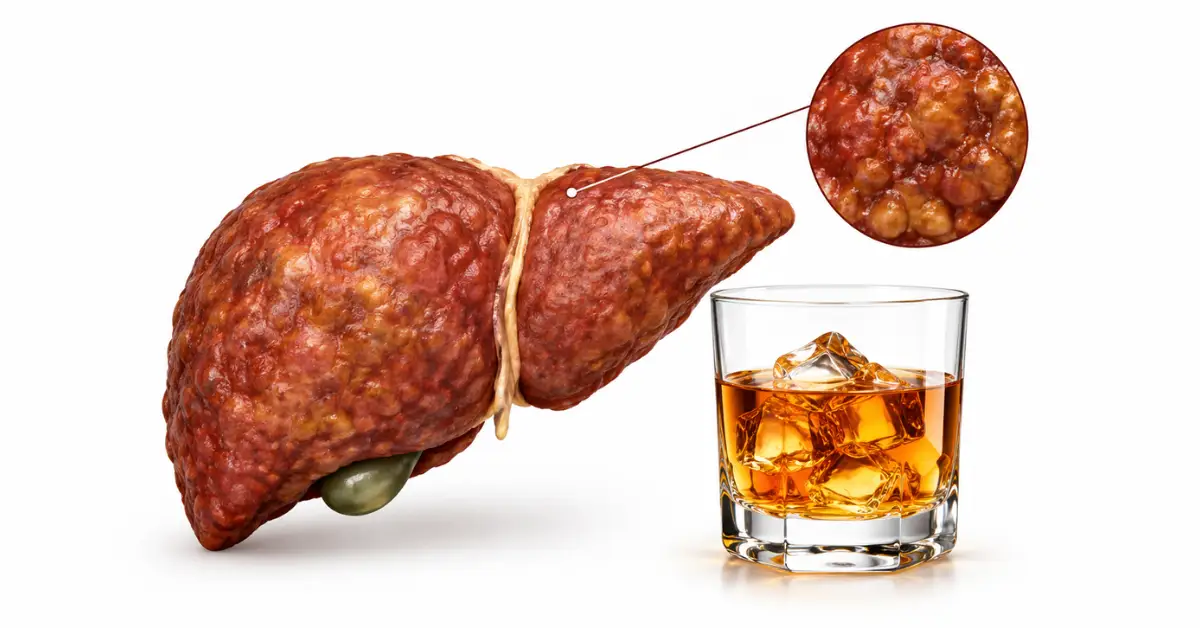
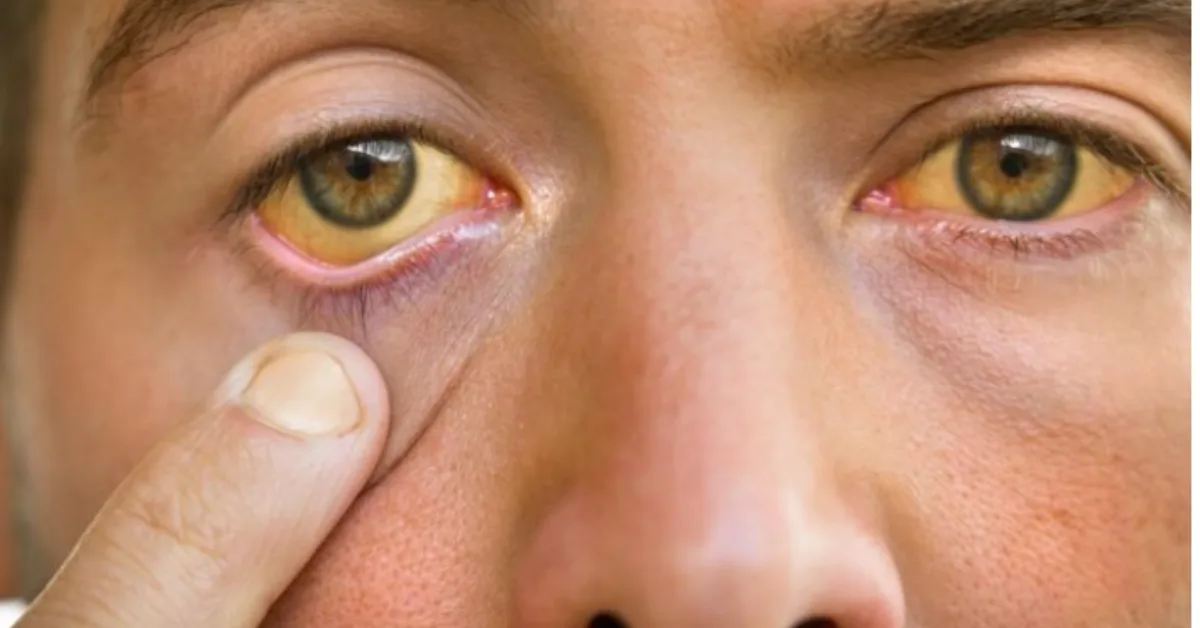
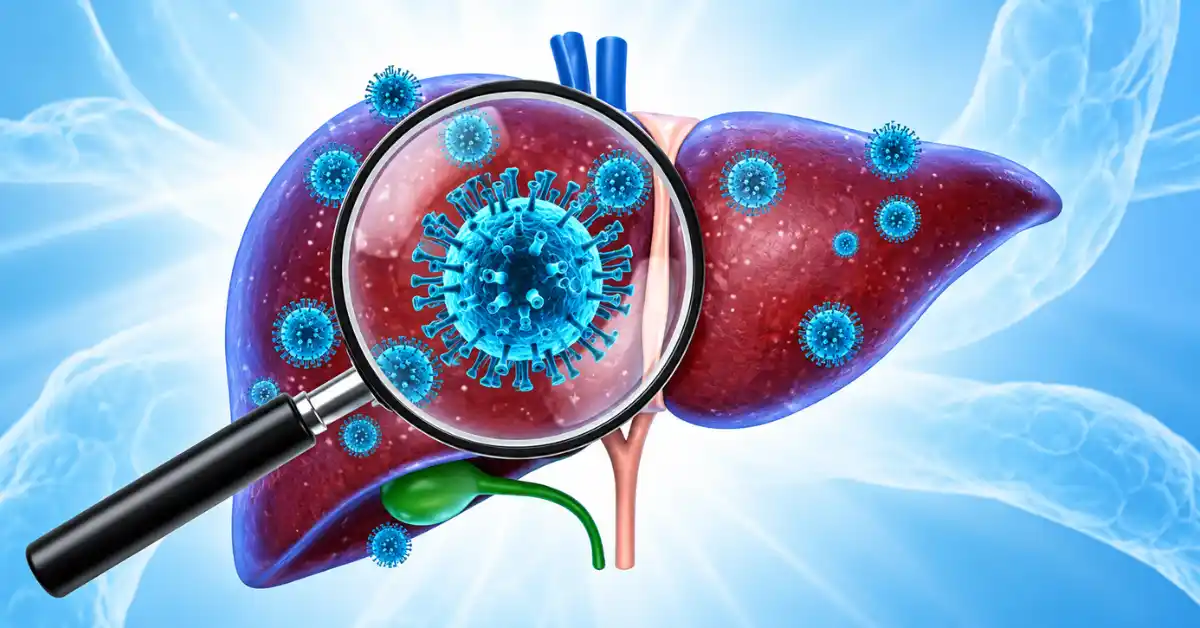
The liver is one of the most hardworking organs in the body, performing hundreds of essential functions every day. From processing nutrients and regulating metabolism to removing toxins and supporting digestion, it plays a central role in maintaining overall health. Despite its remarkable ability to regenerate, the liver can become vulnerable when affected by conditions such as fatty liver disease, hepatitis, cirrhosis, obesity, diabetes, or long-term alcohol use. As liver disease becomes increasingly common worldwide, many people are looking for practical ways to support liver health through nutrition.

One of the first questions patients often ask is:

“What should I eat to keep my liver healthy?”

The answer is not found in restrictive diets, detox cleanses, or miracle foods. Instead, a liver-friendly diet focuses on balanced nutrition, healthy weight management, reduced inflammation, and sustainable eating habits that support the liver’s natural functions. Whether you are managing a liver condition, recovering from treatment, or simply looking to improve your overall well-being, the right dietary choices can make a meaningful difference in protecting liver health and supporting long-term wellness.

Understanding the Relationship Between Diet and Liver Health

The liver acts as the body's metabolic processing center. Almost everything we eat and drink passes through the liver, where nutrients are converted into energy, stored for future use, or distributed throughout the body. Because the liver is directly involved in processing food, dietary habits can significantly influence liver health. Diets high in sugar, unhealthy fats, and highly processed foods may contribute to fat accumulation, inflammation, and metabolic stress. Over time, these factors can increase the risk of liver disease and worsen existing liver conditions. On the other hand, a balanced diet rich in whole foods, lean proteins, vegetables, fruits, and healthy fats provides the nutrients necessary to support normal liver function and overall health.

Why Nutrition Matters for Liver Function

Nutrition plays a critical role in maintaining liver health and supporting the body's metabolic balance. A well structured diet can help reduce excess fat in the liver, improve insulin sensitivity, support healthy body weight, and provide the nutrients needed for tissue repair and regeneration.

Benefit Impact on Liver Health
Healthy Weight Maintenance Reduces metabolic stress on the liver
Improved Insulin Sensitivity Supports better liver function
Reduced Inflammation Protects liver tissue
Better Energy Balance Supports metabolic health
Nutritional Support Assists natural repair processes
Fat Reduction in the Liver Helps slow disease progression

While nutrition alone cannot cure liver disease, it remains one of the most effective tools for supporting liver health and improving long term outcomes.

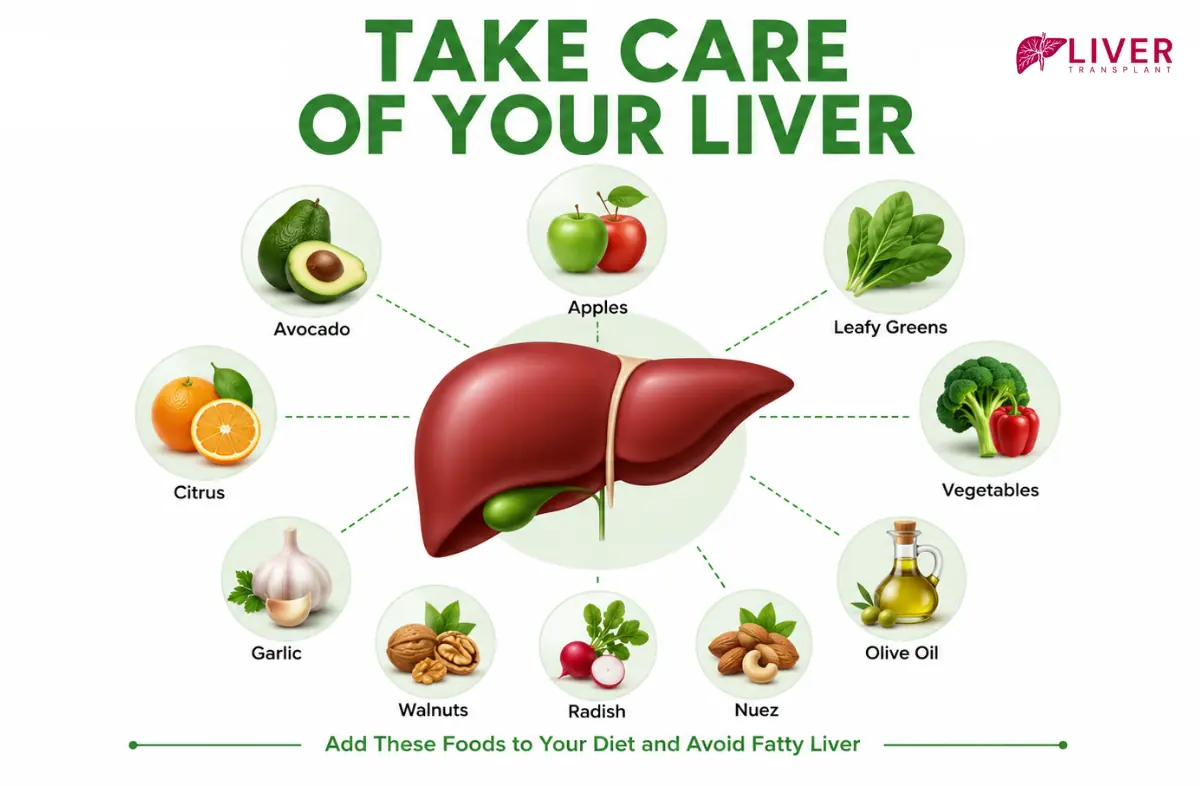
Foods That Support Liver Health

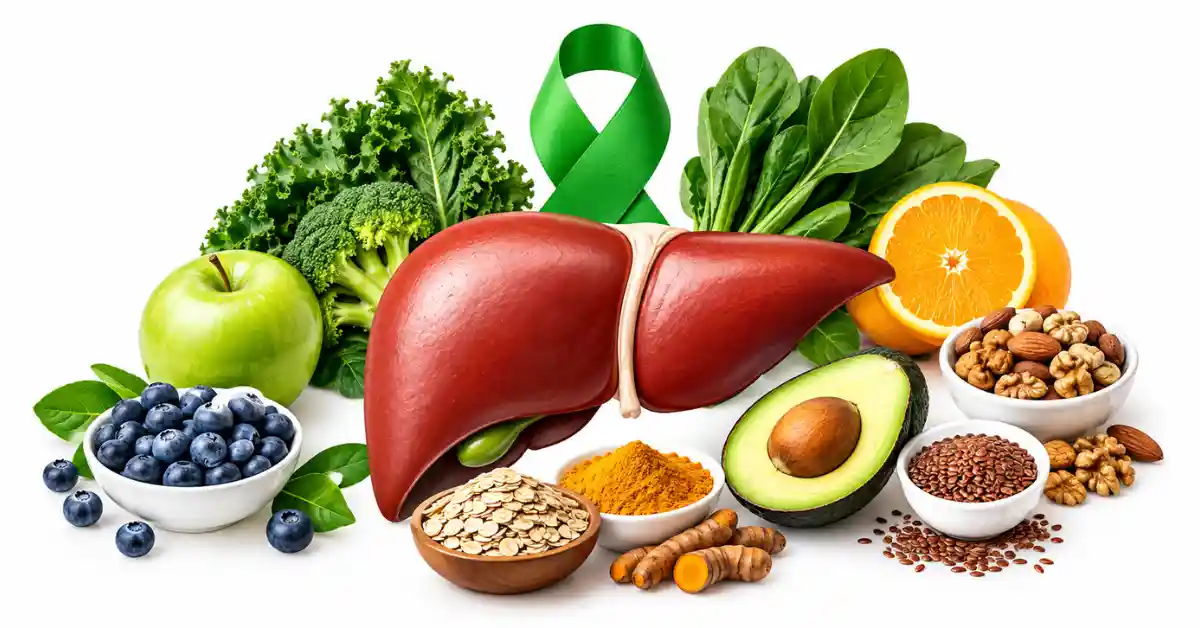
While no single food can guarantee a healthy liver, certain food groups provide important nutrients that contribute to overall wellness and metabolic health.

Food Group Examples Potential Benefits
Vegetables Spinach, broccoli, carrots, leafy greens Rich in vitamins and antioxidants
Fruits Berries, apples, oranges Provide fiber and nutrients
Whole Grains Oats, quinoa, brown rice Support blood sugar regulation
Legumes Lentils, beans, chickpeas Plant based protein and fiber
Lean Proteins Fish, poultry, eggs Support muscle maintenance
Nuts and Seeds Almonds, walnuts, flaxseeds Healthy fats and minerals

A varied diet that incorporates foods from multiple food groups is often the most effective approach to supporting liver health.

Protein and Liver Health

Protein plays an important role in maintaining muscle mass, supporting tissue repair, and promoting recovery. Many people incorrectly assume that individuals with liver disease should avoid protein. In reality, adequate protein intake is often essential, particularly because advanced liver disease can lead to muscle loss and nutritional deficiencies. Good protein sources include fish, poultry, eggs, low fat dairy products, soy products, lentils, beans, and legumes. Maintaining healthy muscle mass is increasingly recognized as an important component of liver disease management and overall well being.

The Importance of Healthy Fats

Dietary fat is often misunderstood. While excessive intake of unhealthy fats can contribute to metabolic disease, healthy fats are an important part of balanced nutrition. Unsaturated fats, particularly omega3 fatty acids, may support heart health and metabolic function, both of which are closely linked to liver health.

Fat Type Sources Recommendation
Unsaturated Fats Olive oil, avocados, nuts Include regularly
Omega3 Fats Fatty fish, flaxseeds Beneficial in moderation
Saturated Fats Processed meats, fried foods Limit intake
Trans Fats Packaged baked goods Avoid whenever possible

Choosing healthier fat sources can contribute to improved overall metabolic health.

Dietary Considerations for Fatty Liver Disease

Fatty liver disease has become one of the most common liver conditions worldwide. It is closely associated with obesity, insulin resistance, type 2 diabetes, and metabolic syndrome. Nutrition plays a central role in managing fatty liver disease. Reducing added sugars, limiting refined carbohydrates, controlling portion sizes, and increasing intake of whole foods can help reduce fat accumulation in the liver. Patients often achieve the greatest improvements through gradual and sustainable lifestyle changes rather than restrictive diets. Studies have shown that modest weight loss can significantly reduce liver fat and improve liver function markers. For this reason, dietary modifications combined with regular physical activity remain the cornerstone of fatty liver disease management.

Foods to Eat vs Foods to Limit

One of the simplest ways to improve dietary habits is to focus on foods that support liver health while reducing those that contribute to metabolic stress.

Foods to Include More Often Foods to Limit
Fresh Vegetables Fried Foods
Fresh Fruits Sugary Desserts
Whole Grains Refined Carbohydrates
Fish and Lean Poultry Processed Meats
Beans and Lentils Sugar Sweetened Beverages
Nuts and Seeds Excess Fast Food
Olive Oil Foods High in Trans Fats
Water Excess Alcohol

The goal is not perfection but creating a sustainable pattern where nutritious foods make up the majority of daily meals.

Mediterranean Diet and Liver Health

Among the various dietary patterns studied for liver health, the Mediterranean diet is one of the most researched and widely recommended. Rather than focusing on strict restrictions, the Mediterranean diet emphasizes vegetables, fruits, legumes, whole grains, fish, nuts, seeds, and olive oil while limiting highly processed foods and excess sugar. Research suggests that this dietary pattern may help improve insulin sensitivity, support healthy weight management, reduce inflammation, and decrease liver fat accumulation.

Mediterranean Diet Component Potential Benefit
Vegetables and Fruits Antioxidants and fiber
Olive Oil Healthy unsaturated fats
Fish Omega3 fatty acids
Whole Grains Stable energy and blood sugar control
Legumes Protein and fiber
Nuts and Seeds Healthy fats and micronutrients

Its flexibility and sustainability make it an excellent long term dietary approach for many individuals concerned about liver health.

Liver Friendly Meal Planning

Healthy eating becomes more manageable when viewed as a daily pattern rather than a list of restrictions. A practical liver friendly meal typically includes vegetables, lean protein, whole grains, and healthy fats in balanced portions.

Meal Component Examples
Vegetables Salads, steamed vegetables, stir fried greens
Lean Protein Fish, chicken, lentils, beans
Whole Grains Brown rice, oats, quinoa
Healthy Fats Olive oil, nuts, seeds
Beverages Water, unsweetened drinks

This balanced approach provides essential nutrients while supporting metabolic and liver health.

Special Dietary Considerations for Cirrhosis

Individuals with cirrhosis often have unique nutritional needs that differ from those of the general population. As liver disease progresses, patients may experience reduced appetite, muscle wasting, fluid retention, and nutritional deficiencies. For this reason, maintaining adequate nutrition becomes especially important.

Nutritional Focus Why it Matters
Adequate Protein Helps preserve muscle mass
Sodium Awareness Supports fluid management
Nutrient Dense Foods Reduces risk of deficiencies
Small Frequent Meals Supports energy balance
Consistent Nutrition Helps maintain strength

Because nutritional requirements vary significantly depending on disease severity, dietary recommendations should always be individualized under medical supervision.

Maintaining a Healthy Weight for Liver Health

Body weight and liver health are closely connected. Excess body weight can increase fat accumulation within the liver and contribute to metabolic dysfunction. Conversely, gradual and sustainable weight loss can significantly improve liver related outcomes, particularly in individuals with fatty liver disease. Rather than focusing on rapid weight loss programs, patients generally achieve better long term results through realistic lifestyle changes that combine healthy eating habits with regular physical activity. The goal should be sustainable progress rather than short term perfection.

Lifestyle Habits That Complement a Healthy Diet

While nutrition forms the foundation of liver health, several lifestyle habits can further support long term wellness.

Healthy Habit Potential Benefit
Regular Physical Activity Supports metabolism and weight management
Adequate Sleep Promotes recovery and hormonal balance
Stress Management Encourages healthier daily habits
Routine Medical Check Ups Supports early intervention
Avoiding Tobacco Protects overall health

When combined with a balanced diet, these habits create a comprehensive approach to protecting liver health. Healthy eating is not about achieving perfection at every meal. Small, consistent choices made over time often have the greatest impact on liver health. Even modest dietary improvements can contribute to better metabolic health, improved energy levels, and long term liver wellness.

Key Takeaways

Key Point Summary
Balanced Nutrition Supports liver function and overall health
Adequate Protein Helps maintain muscle mass
Healthy Fats Support metabolic wellness
Weight Management Reduces stress on the liver
Mediterranean Diet One of the most researched dietary patterns
Whole Foods Better than highly processed alternatives
Consistency More important than restrictive dieting

Expert Insight

The most effective liver friendly diet is not built around restrictions or short term trends. It focuses on balanced nutrition, healthy weight management, and sustainable habits that support liver function for years to come.

Conclusion

A Liver Friendly Diet is one of the most practical and effective ways to support liver health and overall well being. By emphasizing whole foods, adequate protein, healthy fats, balanced meals, and sustainable eating habits, individuals can help reduce metabolic stress and support the liver's vital functions. Although nutrition cannot replace medical treatment, it remains a powerful component of liver disease prevention and management. Combined with regular physical activity, routine medical care, and healthy lifestyle habits, informed dietary choices can contribute significantly to long term liver wellness and improved quality of life.

Frequently Asked Questions

A balanced diet rich in vegetables, fruits, whole grains, lean proteins, and healthy fats is generally considered beneficial for liver health.

Yes. Healthy eating, weight management, and regular physical activity can help reduce liver fat and improve liver health.

No. Healthy unsaturated fats are an important part of balanced nutrition, while saturated and trans fats should be limited.

Research suggests that the Mediterranean diet may help improve metabolic health and reduce liver fat accumulation.

Even modest and gradual weight loss can lead to meaningful improvements in liver health and fatty liver disease outcomes.

Get ready for liver transplant surgery with practical steps, nutrition, planning, and recovery guidance.
A liver friendly diet promotes balanced nutrition, healthy eating habits, and sustained support for optimal liver health.

Conditions Treated

Comprehensive medical care for a wide range of conditions, focused on recovery, symptom management, and long-term wellness.

Read Next

Discover lifelong strategies, medications, monitoring, and healthy habits to maintain
Learn recovery steps, medications, nutrition, follow up care, and lifestyle
Get ready for liver transplant surgery with practical steps, nutrition,
Learn the differences, benefits, risks, and outcomes of living and
Explore liver transplant eligibility, evaluation criteria, and essential guidance to
Fatty liver disease develops due to excess fat buildup in