Pediatric Liver Transplant

Few situations are more challenging for parents than learning that their child has a serious liver condition that may require transplantation. The diagnosis often brings a flood of emotions—fear, uncertainty, hope, and countless questions about treatment options, surgical risks, recovery, and long-term outcomes. Fortunately, advances in pediatric transplant medicine have transformed the outlook for children with severe liver disease. Today, Pediatric Liver Transplantation is recognized as one of the most successful treatments for children with irreversible liver failure and certain complex liver disorders. Unlike adult transplantation, pediatric liver transplantation requires a highly specialized approach. Children have unique medical, nutritional, developmental, and emotional needs that must be addressed throughout every stage of care. From diagnosis and evaluation to surgery, recovery, and lifelong follow-up, a multidisciplinary team works closely with families to ensure the best possible outcomes.

For many children, transplantation is not simply about treating a disease. It is about restoring growth, supporting development, improving quality of life, and creating opportunities for a healthier future.
Understanding Pediatric Liver Transplantation

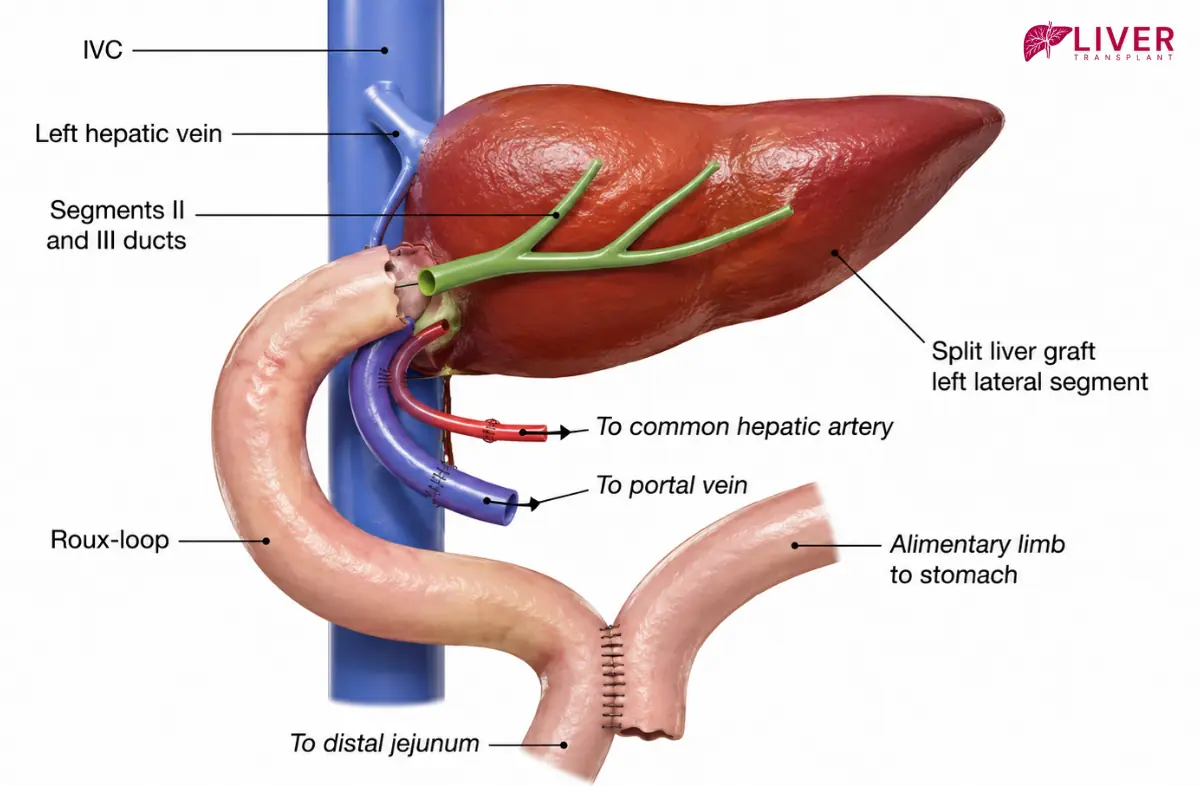
Pediatric liver transplantation is a specialized surgical procedure that replaces a diseased or failing liver in a child with a healthy donor liver or a portion of a donor liver. Children requiring transplantation often face conditions that differ significantly from those seen in adults. Many pediatric liver diseases are congenital, inherited, or develop during infancy and early childhood. Because these conditions can affect growth, nutrition, and overall development, timely intervention is particularly important. Advances in surgical techniques, anesthesia, intensive care, and immunosuppressive therapy have dramatically improved transplant outcomes, allowing many children to enjoy healthy and active lives after transplantation.

Why Children May Need a Liver Transplant

The liver plays a vital role in digestion, metabolism, nutrient storage, detoxification, and blood clotting. When severe disease prevents the liver from performing these functions, transplantation may become the most effective treatment option. Children may require transplantation due to progressive liver damage, liver failure, metabolic disorders, or conditions that significantly impair quality of life and development. The decision to pursue transplantation is made after careful evaluation by pediatric liver specialists and transplant surgeons.

Signs That a Child May Require Transplant Evaluation

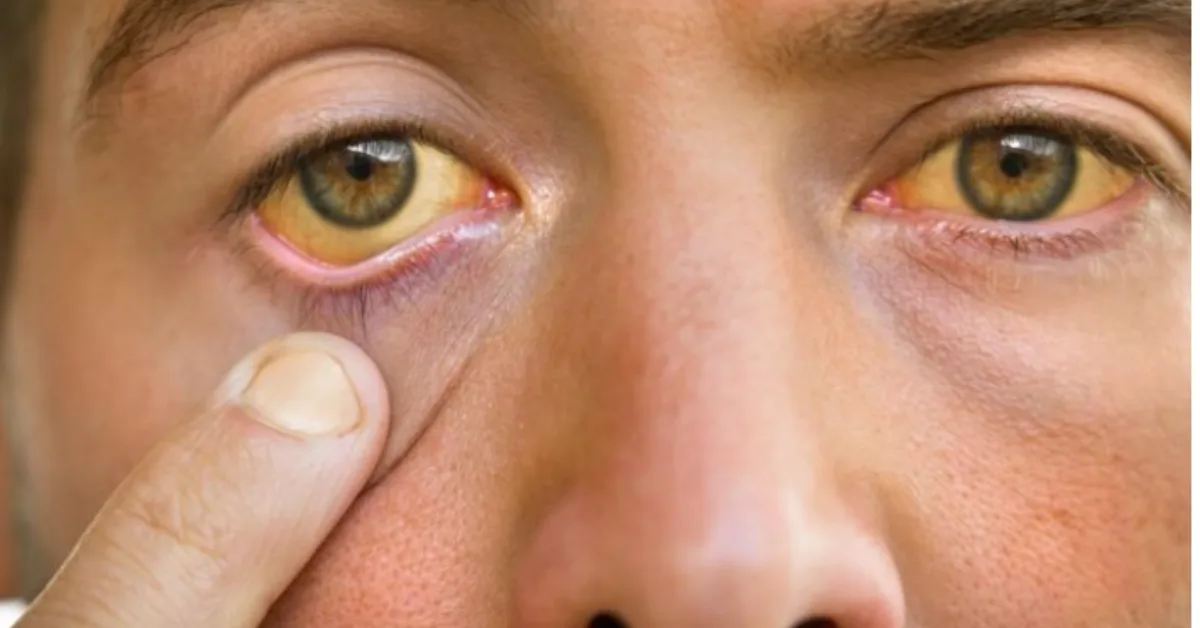
Recognizing the signs of advanced liver disease is important because early referral can improve treatment outcomes. Parents may notice symptoms such as persistent jaundice, poor growth, abdominal swelling, severe itching, recurrent infections, or frequent hospitalizations.

Possible Warning Sign What it May Indicate
Persistent Jaundice Ongoing liver dysfunction
Poor Weight Gain Nutritional impairment
Growth Delay Chronic liver disease effects
Abdominal Swelling Fluid accumulation or enlarged liver
Easy Bruising Reduced clotting function
Severe Fatigue Advanced liver disease
Recurrent Infections Compromised health status

While these symptoms do not always indicate a need for transplantation, they often warrant specialist evaluation.

Conditions Commonly Treated with Pediatric Liver Transplantation

Several liver disorders can lead to transplantation in children.

Condition Description
Biliary Atresia Most common indication for pediatric liver transplant
Acute Liver Failure Rapid loss of liver function
Metabolic Liver Disorders Genetic conditions affecting liver health
Progressive Familial Intrahepatic Cholestasis (PFIC) Severe inherited liver disease
Wilson Disease Copper metabolism disorder
Alagille Syndrome Genetic condition affecting liver and other organs
Chronic Liver Cirrhosis Advanced scarring and liver dysfunction
Selected Liver Tumors Certain pediatric liver cancers

Among these conditions, biliary atresia remains one of the leading reasons children require transplantation worldwide.

The Pediatric Liver Transplant Evaluation Process

Before transplantation can be considered, children undergo a comprehensive evaluation designed to assess overall health and determine transplant suitability. The evaluation extends beyond liver function alone. Specialists assess nutritional status, heart and lung health, developmental milestones, infection risks, and family support systems. Parents and caregivers are actively involved throughout this process because long term transplant success depends on strong family participation and understanding. The goal is to ensure that transplantation occurs at the right time and under the safest possible circumstances.

Living Donor vs Deceased Donor Transplantation in Children

Children may receive a liver transplant from either a living donor or a deceased donor.

Type of Transplant Description
Living Donor Liver Transplant Portion of liver donated by a healthy living donor
Deceased Donor Liver Transplant Liver obtained through organ donation after death
Split Liver Transplant One donor liver divided to benefit multiple recipients

Because the liver can regenerate, partial liver transplantation is often highly successful in children and provides additional options when donor organs are limited. The most appropriate approach depends on medical circumstances, donor availability, and individual patient needs.

How Pediatric Liver Transplant Surgery is Performed

Pediatric liver transplantation is one of the most complex procedures in modern medicine and requires exceptional surgical expertise. During surgery, the diseased liver is carefully removed and replaced with the donor liver. Surgeons reconnect blood vessels and bile ducts while ensuring proper blood flow and liver function. Because children's anatomy differs significantly from adults, transplant procedures require specialized pediatric surgical techniques and meticulous planning. The operation is performed by highly trained pediatric transplant teams working in advanced surgical and intensive care environments.

Specialized Care Before Transplantation

Many children awaiting transplantation require ongoing medical support while preparing for surgery. Care often focuses on improving nutritional status, managing complications, preventing infections, and supporting growth and development.

Area of Care Purpose
Nutritional Support Promote healthy growth
Infection Prevention Reduce medical complications
Symptom Management Improve comfort and quality of life
Developmental Monitoring Support age appropriate progress
Family Education Prepare caregivers for transplantation

Optimizing health before surgery can significantly improve recovery and long term outcomes.

Recovery After Pediatric Liver Transplant

Recovery begins immediately after surgery and continues for several months. Children are closely monitored in a pediatric intensive care unit before transitioning to specialized transplant wards. During this period, healthcare teams monitor liver function, medication levels, wound healing, and overall recovery. Although recovery timelines vary, many children gradually regain strength, improve nutritional status, and experience increased energy levels as the transplanted liver begins functioning effectively. Parents remain an essential part of the recovery process and receive extensive education regarding medications, follow up care, and warning signs that require medical attention.

Supporting Growth and Development After Transplant

One of the most remarkable benefits of successful pediatric liver transplantation is the positive impact on growth and development. Many children who struggled with poor growth, delayed milestones, and nutritional deficiencies before transplantation begin to show significant improvements afterward.

Development Area Potential Improvement
Physical Growth Improved height and weight gain
Nutrition Better absorption of nutrients
Energy Levels Increased activity and participation
School Performance Improved concentration and attendance
Social Development Greater engagement with peers

The ability to support normal childhood development is one of the defining goals of pediatric transplant care.

Potential Risks and Challenges

While outcomes are generally excellent, pediatric liver transplantation remains a major medical procedure and carries potential risks.

Potential Challenge Management Strategy
Organ Rejection Immunosuppressive therapy
Infection Preventive monitoring and treatment
Medication Side Effects Regular specialist review
Surgical Complications Prompt intervention when needed
Long Term Health Risks Lifelong follow up care

Continuous monitoring and proactive management help minimize complications and support long term transplant success.

Life After Pediatric Liver Transplantation

For many families, the most rewarding part of the transplant journey is watching their child regain the opportunity to enjoy everyday childhood experiences. Children who were previously limited by illness often return to school, participate in sports, engage in social activities, and enjoy improved overall well being. While lifelong follow up remains important, transplantation frequently allows children to experience greater independence, improved health, and a substantially enhanced quality of life. The focus gradually shifts from managing disease to supporting a healthy and fulfilling childhood.

Key Takeaways

Key Point Summary
Purpose Replace a diseased liver with a healthy donor liver
Common Cause Biliary atresia is a leading indication
Evaluation Comprehensive assessment of child and family
Donor Options Living and deceased donor transplantation
Benefits Improved survival, growth, and development
Follow Up Lifelong monitoring remains essential
Goal Healthy growth and long term quality of life

Expert Insight

Pediatric liver transplantation is about more than replacing a diseased organ. It is about giving children the opportunity to grow, learn, play, and reach their full potential. With specialized care and ongoing support, many children go on to lead healthy and fulfilling lives after transplantation.

Conclusion

A Pediatric Liver Transplant offers hope for children facing severe liver disease and liver failure. Through specialized evaluation, advanced surgical care, comprehensive family support, and lifelong follow up, transplantation can transform the outlook for young patients and their families. While the journey may seem overwhelming at first, modern pediatric transplant programs provide the expertise, guidance, and support needed at every stage. For many children, transplantation becomes the foundation for healthier growth, improved development, and a brighter future.

Frequently Asked Questions

Biliary atresia is one of the leading causes of pediatric liver transplantation worldwide.

Yes. Many children receive successful liver transplants from living donors, including parents and close relatives.

Outcomes have improved significantly, and many children experience excellent long term survival and quality of life.

Yes. Most children require long term immunosuppressive medications to help prevent organ rejection.

Many children return to school, sports, and other normal activities after recovery and ongoing medical supervision.

Infection, bleeding, bile duct complications, blood clots, organ rejection, kidney dysfunction, and side effects from
Pediatric liver transplant care offers specialized treatment, advanced surgery, and compassionate family support for children.

Conditions Treated

Comprehensive medical care for a wide range of conditions, focused on recovery, symptom management, and long-term wellness.

Read Next

Discover lifelong strategies, medications, monitoring, and healthy habits to maintain
Learn recovery steps, medications, nutrition, follow up care, and lifestyle
Get ready for liver transplant surgery with practical steps, nutrition,
Learn the differences, benefits, risks, and outcomes of living and
Explore liver transplant eligibility, evaluation criteria, and essential guidance to
Fatty liver disease develops due to excess fat buildup in