Deceased Donor Liver Transplant

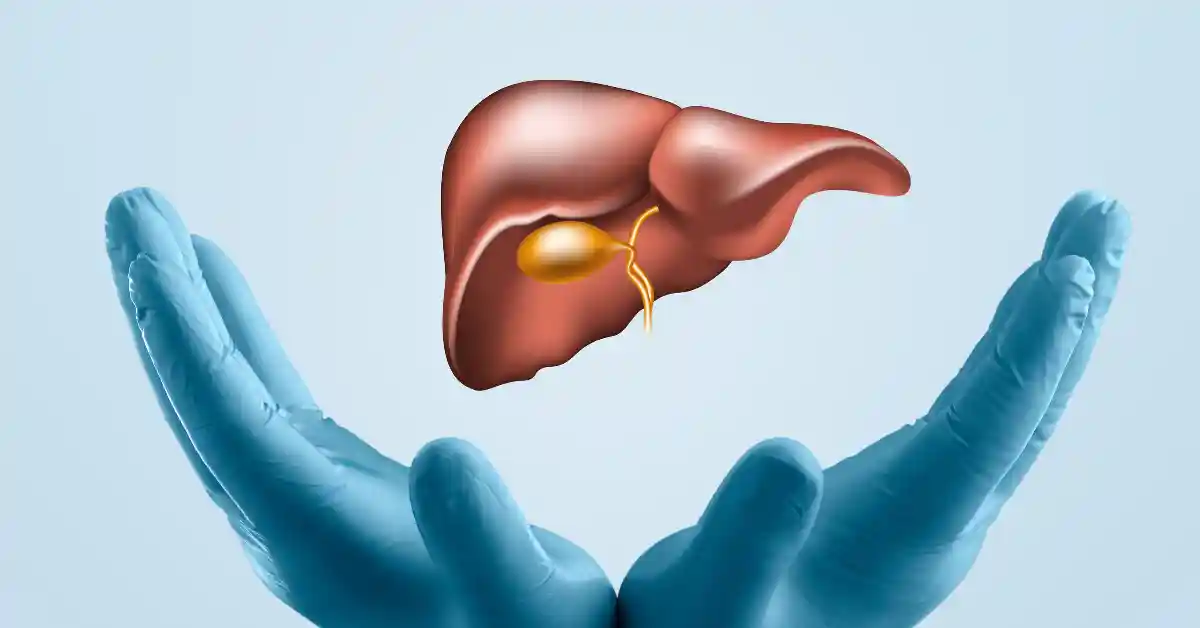
When liver disease progresses to a stage where the liver can no longer perform its essential functions, transplantation often becomes the most effective treatment option. While living donor transplantation has expanded access to care, Deceased Donor Liver Transplantation (DDLT) remains one of the most established and widely performed forms of liver transplantation worldwide. For patients and families, the prospect of receiving a donor organ can bring both hope and uncertainty. Questions often arise about how donor organs are allocated, who qualifies for transplantation, how long the waiting period may be, and what outcomes can be expected after surgery. A deceased donor liver transplant involves replacing a diseased liver with a healthy liver obtained from a donor who has passed away but whose organs remain suitable for transplantation. This highly coordinated process relies on advanced medical expertise, ethical organ allocation systems, specialized surgical care, and comprehensive long-term support.

Beyond the surgical procedure itself, successful transplantation depends on careful patient selection, thorough evaluation, precise timing, and lifelong follow-up care. For many individuals facing end-stage liver disease, deceased donor transplantation represents a life-saving opportunity that restores both health and quality of life.
Understanding Deceased Donor Liver Transplantation

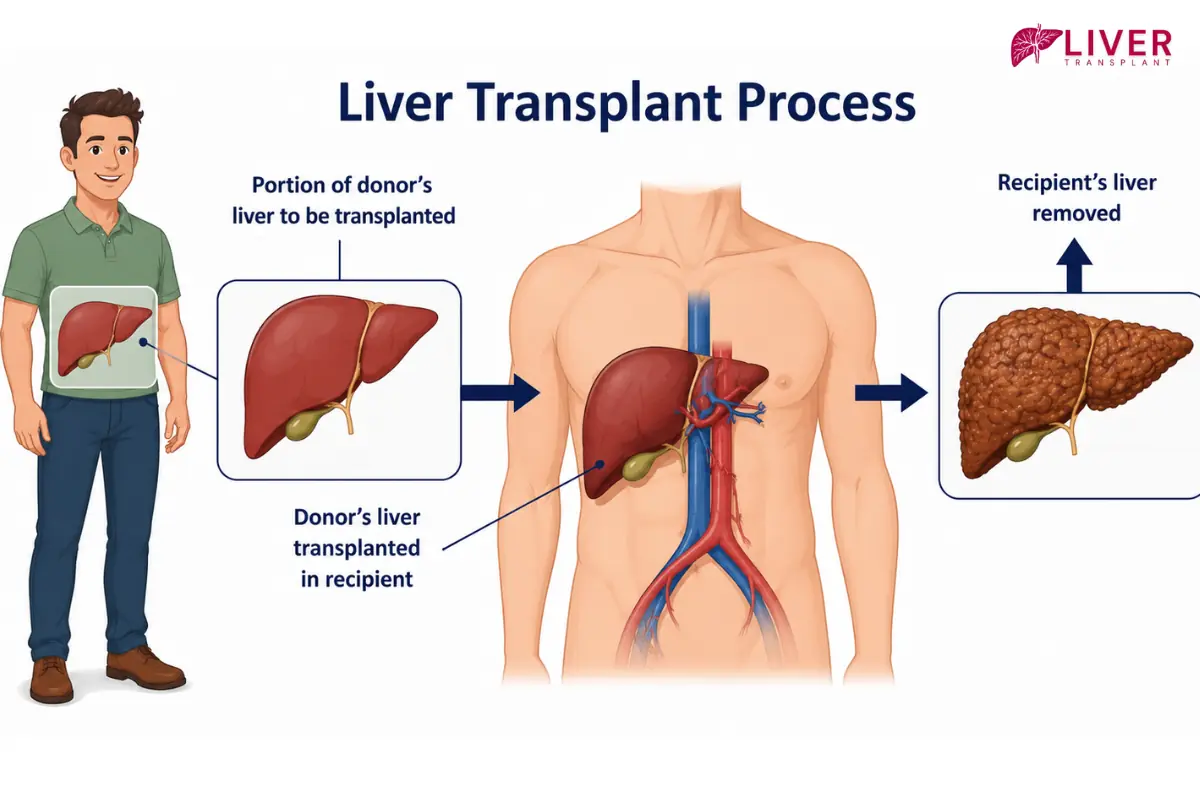
A deceased donor liver transplant is a surgical procedure in which a diseased liver is removed and replaced with a healthy donor liver obtained from an individual who has donated organs after death. Unlike living donor transplantation, where a portion of the liver is donated by a living individual, deceased donor transplantation relies on organs that become available through organized donation programs and national allocation systems. The liver's remarkable regenerative capacity and advances in transplant medicine have made deceased donor liver transplantation one of the most successful treatments for end stage liver disease. Today, thousands of patients worldwide benefit from this procedure every year. For eligible patients, transplantation can significantly improve survival, reduce complications associated with liver failure, and provide a pathway toward a healthier future.

Why a Liver Transplant May be Needed

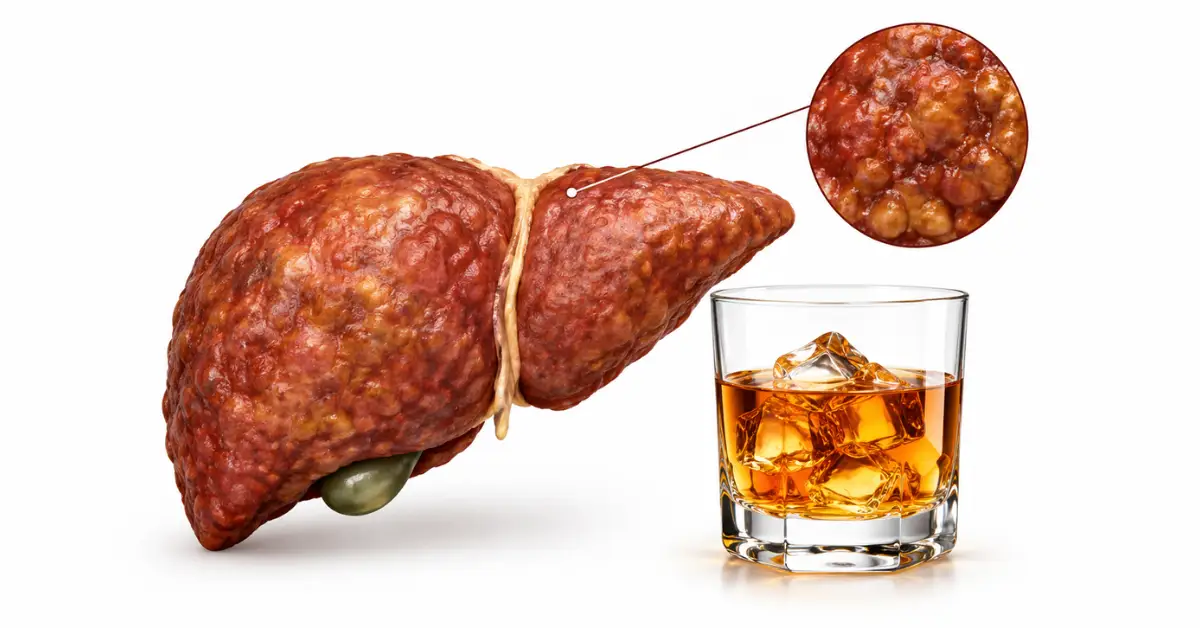
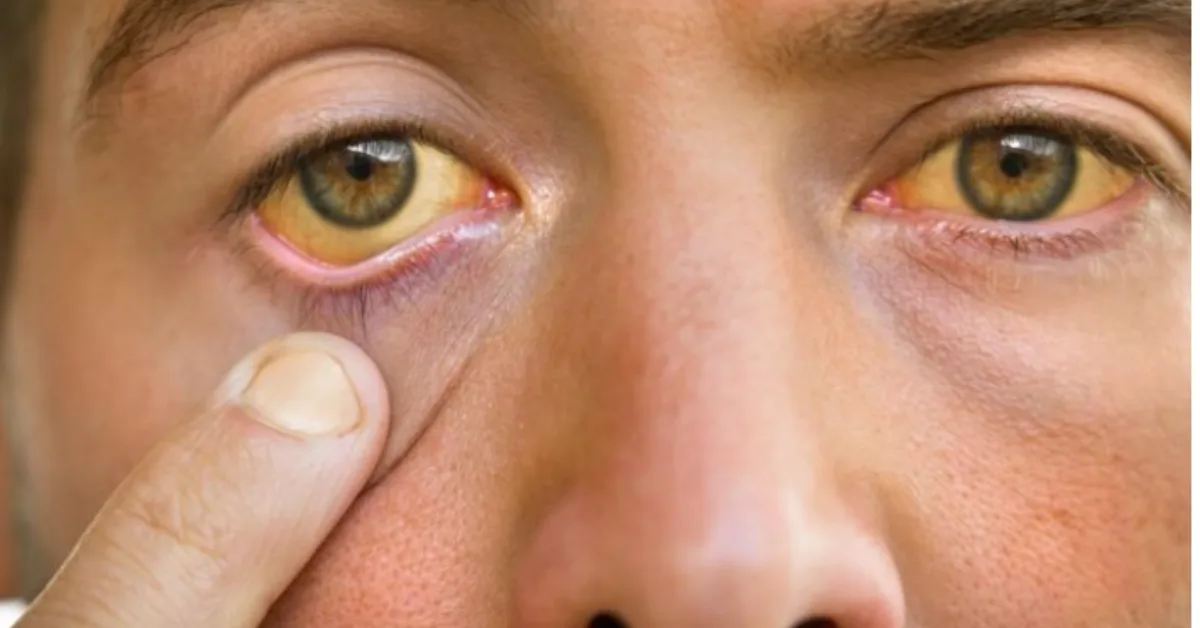
The liver performs hundreds of vital functions, including detoxification, metabolism, protein synthesis, and bile production. When severe disease permanently damages the liver, transplantation may become necessary. Several conditions can ultimately lead to liver failure and require transplantation.

Condition How it Affects the Liver
Cirrhosis Progressive scarring impairs liver function
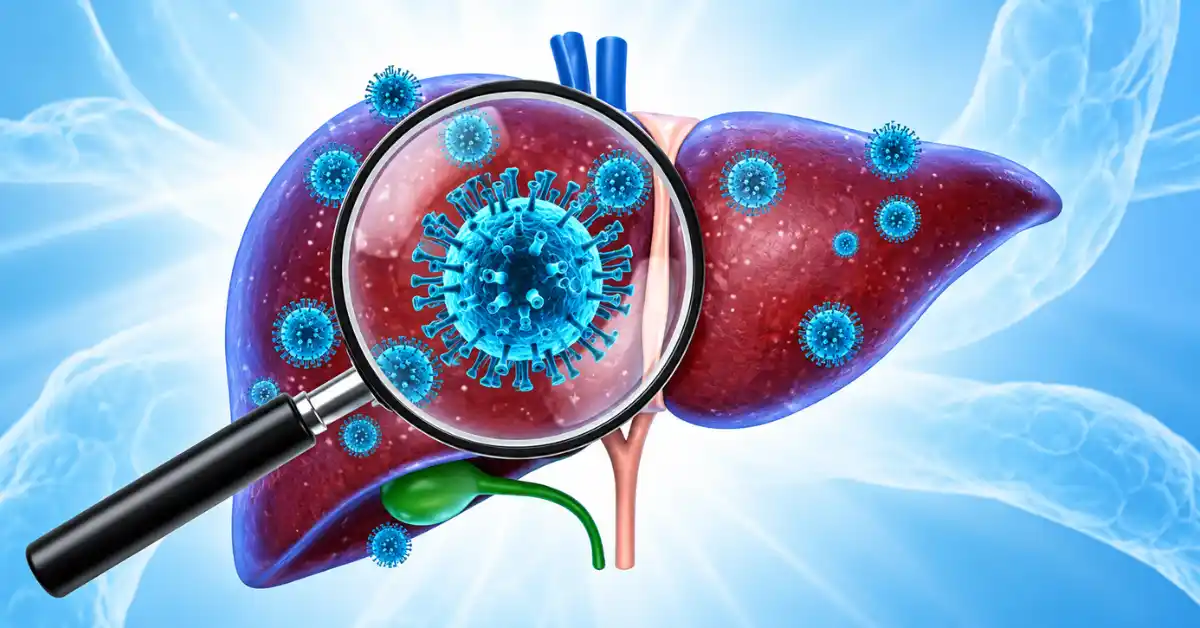
Chronic Hepatitis Long term inflammation causes damage
Fatty Liver Disease (NASH/MASLD) Progressive liver injury and fibrosis
Acute Liver Failure Sudden loss of liver function
Liver Cancer Selected patients may benefit from transplantation
Genetic Liver Disorders Inherited conditions affecting liver health

The decision to pursue transplantation is based on disease severity, overall health status, and expected benefit from the procedure.

Who May be Eligible for a Deceased Donor Liver Transplant?

Not every patient with liver disease requires transplantation. Eligibility is determined through a comprehensive transplant evaluation that assesses medical fitness, disease severity, psychosocial readiness, and long term treatment suitability.

The evaluation process typically examines:

  • Severity of liver disease
  • Heart and lung health
  • Kidney function
  • Nutritional status
  • Infection risks
  • Psychological well being
  • Social support systems
  • Ability to adhere to long term care

The goal is to ensure that transplantation is both medically appropriate and likely to provide meaningful long term benefit.

How Organ Donation Makes Transplantation Possible

Every deceased donor liver transplant begins with a profound act of generosity. Organ donation allows individuals and families to help save lives by making organs available for transplantation after death. Through carefully regulated donation systems, donor organs are evaluated for safety, suitability, and compatibility before being allocated to recipients. Donor evaluation includes detailed assessments of organ function, blood type compatibility, medical history, and infectious disease screening. Without organ donation, deceased donor transplantation would not be possible. Each donation creates an opportunity for patients with life threatening liver disease to receive a second chance at life.

Understanding Organ Allocation and Waiting Lists

Because donor organs are limited, allocation systems are designed to ensure fairness, transparency, and medical necessity. Patients approved for transplantation are placed on a waiting list and prioritized according to factors such as disease severity, urgency, blood group compatibility, and organ availability.

Allocation Consideration Purpose
Disease Severity Prioritize patients with greatest need
Blood Group Compatibility Improve transplant success
Organ Availability Match suitable donor organs
Geographic Factors Reduce organ preservation time
Medical Urgency Support life saving interventions

While waiting times vary, allocation systems aim to provide equitable access to transplantation.

The Role of the MELD Score

The Model for End Stage Liver Disease (MELD) score is one of the most important tools used in liver transplant allocation. By analyzing laboratory values, the MELD score estimates the severity of liver disease and helps determine transplant priority.

MELD Score Interpretation
Below 10 Mild Disease
10 to 19 Moderate Disease
20 to 29 Advanced Disease
30 to 39 Severe Disease
40 and Above Critical Liver Failure

In general, higher MELD scores indicate a greater need for transplantation.

The Deceased Donor Liver Transplant Process

The journey from evaluation to transplantation involves multiple carefully coordinated stages.

Stage What Happens
Referral & Evaluation Comprehensive transplant assessment
Listing Approval Placement on transplant waiting list
Waiting Period Ongoing monitoring and optimization
Donor Organ Match Identification of suitable organ
Transplant Surgery Removal and replacement of liver
Recovery & Rehabilitation Postoperative care and monitoring
Long Term Follow Up Lifelong transplant support

Although every patient's journey is unique, this structured process helps ensure safe and effective care.

Preparing for a Transplant While on the Waiting List

Waiting for a donor organ can be emotionally and physically challenging. During this period, maintaining health becomes especially important. Patients are encouraged to attend all appointments, follow medical recommendations, maintain proper nutrition, remain physically active when possible, and avoid alcohol and other substances that may harm the liver. The transplant team continues to monitor health status and provide support throughout the waiting period, ensuring that patients remain prepared when an organ becomes available.

The Surgical Procedure

When a suitable donor liver becomes available, patients are contacted immediately and admitted for surgery. The procedure involves removing the diseased liver and replacing it with the donor liver. Surgeons carefully reconnect major blood vessels and bile ducts to restore normal circulation and liver function. Because liver transplantation is a highly complex operation, it requires extensive planning, specialized expertise, and advanced perioperative care. The duration of surgery varies depending on individual circumstances, but transplant teams work closely together to ensure optimal outcomes.

Immediate Recovery After Transplantation

The initial recovery period is focused on stabilizing the patient, monitoring liver function, and preventing complications. Most patients spend time in a specialized intensive care unit before transitioning to a regular hospital room. During this period, the healthcare team closely monitors organ function, medication levels, wound healing, and overall recovery. Although recovery timelines differ, many patients gradually experience improvements in energy levels, appetite, and overall well being as the new liver begins functioning effectively.

Benefits of Deceased Donor Liver Transplantation

For appropriately selected patients, transplantation can provide significant medical and quality of life benefits.

Potential Benefit Impact
Restored Liver Function Improved overall health
Increased Survival Better long term outcomes
Reduced Complications Lower risk from liver failure
Improved Energy Levels Enhanced daily functioning
Better Quality of Life Greater independence and well being

Many transplant recipients are able to return to activities that were previously limited by advanced liver disease.

Potential Risks and Challenges

Like any major surgery, liver transplantation involves potential risks that require careful consideration. Possible challenges may include surgical complications, infection, organ rejection, medication side effects, and long term health concerns related to immunosuppressive therapy.

Potential Challenge Management Approach
Organ Rejection Immunosuppressive medications
Infection Monitoring and preventive care
Medication Side Effects Ongoing specialist review
Surgical Complications Prompt medical intervention
Long Term Health Risks Regular follow up and screening

Comprehensive follow up care helps reduce risks and improve long term success.

Key Takeaways

Key Point Summary
Purpose Replacement of a diseased liver with a donor liver
Eligibility Determined through comprehensive evaluation
Allocation Based on fairness and medical urgency
MELD Score Helps determine transplant priority
Recovery Requires structured follow up care
Long Term Success Depends on lifelong monitoring
Goal Improved survival and quality of life

Expert Insight

A deceased donor liver transplant is more than a surgical procedure it is the result of coordinated expertise, organ donation, and lifelong commitment to patient care. With proper evaluation, timely transplantation, and comprehensive follow up, patients can achieve remarkable long term outcomes and renewed quality of life.

Conclusion

A Deceased Donor Liver Transplant offers a life saving treatment option for patients with advanced liver disease and liver failure. Through a carefully coordinated process involving donor evaluation, organ allocation, surgical expertise, and long term support, transplantation can restore health and provide new opportunities for the future. While the journey requires patience, preparation, and ongoing commitment, successful transplantation often enables patients to regain independence, improve quality of life, and look ahead with renewed hope. For many individuals facing severe liver disease, deceased donor transplantation represents not only a medical treatment but also a transformative opportunity to begin a healthier and more fulfilling chapter of life.

Frequently Asked Questions

It is a procedure in which a diseased liver is replaced with a healthy liver donated by an individual after death.

Priority is often based on factors such as disease severity, MELD score, blood group compatibility, and medical urgency.

Waiting times vary depending on organ availability, blood type, disease severity, and regional allocation factors.

Yes. Most transplant recipients require lifelong immunosuppressive medications to help prevent organ rejection.

Many patients return to work, travel, exercise, and other daily activities after recovery and ongoing medical supervision.

Learn the differences, benefits, risks, and outcomes of living and deceased donor liver transplants.
Deceased donor liver transplants provide expert care, coordinated treatment, and personalized support for successful recovery.

Conditions Treated

Comprehensive medical care for a wide range of conditions, focused on recovery, symptom management, and long-term wellness.

Read Next

Discover lifelong strategies, medications, monitoring, and healthy habits to maintain
Learn recovery steps, medications, nutrition, follow up care, and lifestyle
Get ready for liver transplant surgery with practical steps, nutrition,
Learn the differences, benefits, risks, and outcomes of living and
Explore liver transplant eligibility, evaluation criteria, and essential guidance to
Fatty liver disease develops due to excess fat buildup in