
When liver disease becomes advanced, the conversation can change quickly. What may have started with medicines, regular tests and routine consultations can eventually lead to a much bigger question:
“Could a liver transplant be needed?”
For families, this can be an overwhelming moment. The next search is often for a liver transplant surgeon who can explain the situation clearly and help determine what should happen next. But choosing a transplant specialist is not simply about finding the most famous name. It is about finding the right expertise for the patient’s condition, along with a transplant team that can provide care before, during and after surgery.
If you are looking for a liver transplant surgeon in Chennai, understanding the available treatment pathways and what to expect from a transplant team can make that decision a little clearer.
How Do You Choose a Liver Transplant Surgeon in Chennai?
The right specialist depends on the patient’s condition, the type of transplant being considered and the complexity of care required.
When comparing options, look at:
- Relevant transplant experience – Experience is most valuable when it relates to the patient’s particular condition and transplant needs.
- A multidisciplinary team – Liver transplantation involves surgeons, hepatologists, critical-care specialists and other professionals working together.
- Donor safety – If living donation is being considered, careful donor assessment is an essential part of the process.
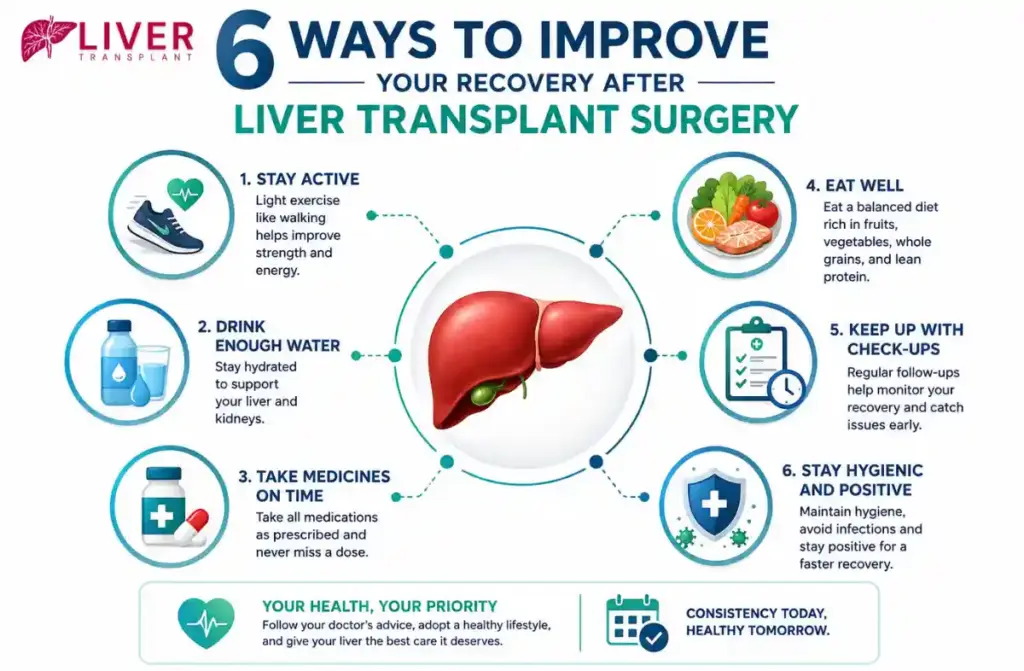
- Post-transplant care – Treatment continues after surgery through medicines, monitoring and regular follow-up.
- Clear communication – Patients and families should understand why transplantation is being considered and what the next steps may be.
The goal is not simply to find a surgeon. It is to find the right transplant programme for the patient’s individual journey.
Liver Transplant Surgeons and Specialists in Chennai
Finding the right liver transplant surgeon is one of the most important decisions a patient or family will make. Chennai has grown into a major hub for liver care in South India, with surgeons trained at some of the country’s top institutions and, in some cases, abroad. Below is a clear, factual look at five specialists practicing in the city, what they’re trained in, and where they currently see patients, so you can make an informed choice before booking a consultation.
Dr. Salim Thomas, Transplant Surgeon
Dr. Salim Thomas has spent over 54 years performing transplant surgeries, making him one of the most experienced transplant surgeons active in India today. His training includes an MBBS, an MS in General Surgery, and an MNAMS in Transplant Surgery. His practice centers on evaluating candidates for transplant, performing the surgery, and overseeing the critical recovery phase afterward. He currently practices at Medway Hospitals in Kodambakkam, Chennai.

Dr. Vijayan, Surgical Gastroenterologist
With more than 42 years of practice, Dr. Vijayan treats a wide range of gastrointestinal conditions in addition to liver transplantation, including surgeries of the pancreas, gallbladder, bile duct, esophagus, and intestines, as well as management of portal hypertension. He holds an MBBS, MS, DNB in Surgery, MNAMS, a diploma in advanced laparoscopic surgery, and a fellowship from the Royal College of Surgeons in Glasgow. He is known for favoring minimally invasive and robotic techniques when appropriate. He also practices at Medway Hospitals, Kodambakkam.
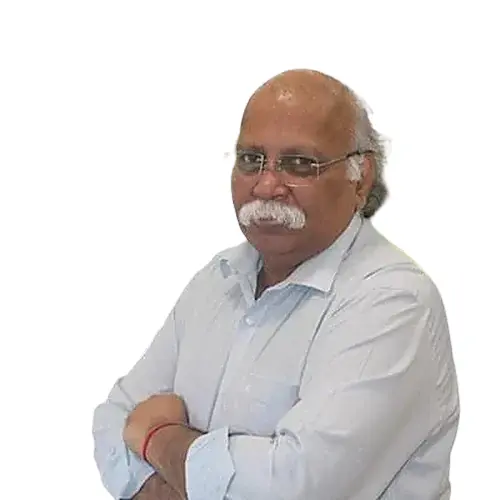
Dr. Rajshree, Consultant Gastroenterologist
Dr. Rajshree has about 6 years of experience, with training built specifically around liver and biliary disease. She holds an MBBS, an MS in General Surgery, an MCh in Surgical Gastroenterology, and a fellowship in Hepatobiliary and Liver Transplantation, qualifications that focus her practice on complex liver cases rather than general gastroenterology alone.

Dr. Magnus Jayaraj Mansard, Surgical Gastroenterologist
Dr. Mansard brings over 17 years of experience and trained at some of India’s leading gastroenterology centers. He completed his MBBS and MS at JIPMER, then trained further at SGPGI Lucknow, the Asian Institute of Gastroenterology in Hyderabad, and Indraprastha Apollo Hospitals in Delhi. His focus is on liver, pancreas, and biliary disease, including transplantation, using advanced laparoscopic techniques for both cancer and benign conditions.

He has helped establish liver transplant and gastroenterology units in smaller tier two cities, published research at national and international conferences, trained at Harvard Medical School, and holds fellowships from the Royal College of Surgeons and the American College of Surgeons. He speaks Telugu, Hindi, English, and Tamil.
Dr. Aswin Krishna, Consultant, Hepatology and Gastroenterology
Dr. Aswin Krishna leads what is described as the highest volume liver surgery unit in Tamil Nadu. He completed his MBBS at Kanyakumari Government Medical College, an MD in General Medicine and a DM in Hepatology at Madras Medical College, and a liver transplant fellowship at Rela Hospital, Chennai. He also holds an Intuitive certified observership in liver transplantation. His clinical focus includes liver cancer, cirrhosis, acute liver failure, alcohol related liver disease, and hepatitis B and C.

Types of Liver Transplant Treatment Options Available in Chennai
Liver transplantation is not a single treatment pathway. The approach depends on the patient’s condition and whether transplantation is actually the most appropriate option.
Living-donor liver transplantation
A suitable living donor provides a portion of their liver for transplantation. Because another person’s health is involved, donor evaluation and safety are an important part of the process.
Deceased-donor liver transplantation
In this pathway, an eligible patient receives a donated liver through the applicable organ-allocation system. Timing can depend on medical urgency, eligibility and organ availability.
Paediatric liver transplantation
Children with serious liver disease may sometimes require transplantation. Their care involves additional considerations related to age, size, development and the underlying condition.
Complex liver transplantation
Some patients have complicated medical or surgical histories and may require more specialised transplant planning. These cases often involve close coordination between several disciplines.
Pre- and post-transplant care
Not every patient goes directly from diagnosis to surgery. Some need treatment to manage complications or improve their condition before transplantation can be considered.
After transplantation, ongoing medicines, monitoring and specialist follow-up remain essential.
And importantly, not every person with severe liver disease needs a transplant. Depending on the diagnosis, medical treatment or other liver and hepatobiliary procedures may be more appropriate.
The treatment plan should therefore be based on an individual specialist assessment.
Work Of A Liver Transplant Surgeon
A liver transplant surgeon manages the surgical side of transplantation, from assessing surgical suitability and planning the procedure to performing the transplant and managing surgical aspects of recovery.
But the surgeon is only one part of the team.
A hepatologist may manage the underlying liver disease and contribute to transplant evaluation. Anaesthesiologists, intensivists, radiologists, infection specialists, nutrition teams and transplant coordinators may also be involved.
This is why the strength of the transplant programme matters alongside the surgeon’s experience.
The operation may be the most visible part of treatment, but the patient’s care begins before surgery and continues long afterwards.
When is a Liver Transplant Evaluation Considered?
A transplant evaluation may be considered when liver disease becomes advanced, complications become difficult to control or the liver is no longer able to perform its essential functions adequately.
Depending on the individual situation, transplantation may be considered for:
- Advanced or end-stage liver disease
- Acute liver failure
- Serious complications of progressive liver disease
- Certain appropriately selected liver cancers
- Other conditions where transplantation may provide a suitable treatment pathway
A referral for transplant evaluation does not necessarily mean that surgery is immediately required.
The purpose of an evaluation is to understand the patient’s condition, determine whether transplantation is appropriate and, when necessary, establish the right treatment pathway and timing.
During a Liver Transplant Evaluation
For families going through this for the first time, knowing the broad process can make things feel less uncertain.
| Stage | What Usually Happens |
| Consultation | The team reviews the liver condition, medical history and previous treatment. |
| Assessment | Blood tests, imaging and other investigations help evaluate overall health. |
| Transplant evaluation | Specialists determine whether transplantation may be appropriate. |
| Donor assessment | A potential living donor undergoes detailed evaluation when applicable. |
| Planning | The team discusses preparation, transplant options and timing. |
| Recovery | After surgery, the patient receives close monitoring and ongoing specialist care. |
| Follow-up | Medicines, tests and regular reviews continue after discharge. |
The exact pathway is different for every patient.
Some may require additional treatment before transplantation, while others may need more urgent assessment.
That is why an individual evaluation matters more than trying to predict the entire journey online.
What Should You Ask During Your Consultation?
You do not need to arrive at the first appointment knowing every medical term.
A few simple questions can help you understand the situation:
- Why is transplantation being considered in this case?
- Is a transplant needed now, or is this an evaluation for the future?
- What type of transplant may be appropriate?
- Could living donation be an option?
- What are the major risks and expected recovery?
- Who will manage the patient after surgery?
- What will long-term follow-up involve?
The goal is not to make every decision during one appointment.
Sometimes, the most useful outcome is simply leaving with a clearer understanding of what needs to happen next.
How Can You Compare Liver Transplant Options in Chennai?
When several specialists or hospitals appear suitable, comparing them can be difficult.
Instead of asking only, “Who is the best surgeon?”, consider a few practical questions:
Does the team have experience relevant to the patient’s condition?
Is there comprehensive support from hepatology, surgery and critical care?
How is a potential living donor evaluated and protected?
Does the team explain the treatment pathway clearly?
What happens after the patient leaves the hospital?
These questions shift the focus from reputation alone to something much more meaningful:
Is this team equipped to care for this particular patient?
Choosing the Right Team for the Journey Ahead
Searching for a Liver transplant specialist near me often begins with a name. But the decision should go a little deeper.
Understand why transplantation is being considered. Learn what treatment options may be available. Look at the experience of the surgeon and the wider transplant team. Ask how donors are protected and how patients are supported after surgery.
Most importantly, remember that liver transplantation is a journey, not just an operation.
The right choice is not necessarily the most famous name. It is the specialist and transplant team whose expertise, experience and support are appropriate for the patient’s individual needs and who can guide the family through the decisions that come before, during and long after transplantation.
Read More: Liver Transplant Treatment