Why This Guide Exists
People preparing for a liver transplant often focus their worry on the surgery itself. Fewer expect that the months afterward—relearning how to eat, managing new medications, and rebuilding strength—will demand nearly as much attention. Malnutrition is already common among people awaiting a transplant, making proper nutritional support an important part of transplant care.
Following the right diet after a liver transplant is essential for recovery, healing, and maintaining long-term liver health. A liver transplant is a genuine second chance. Nutrition doesn’t end that story—it helps protect it. Your surgical team gives you a functioning organ; what you choose to eat every day afterward can play an important role in your recovery and overall well-being.
The Physiology Behind the Advice
Two things are happening in your body at once after transplant, and both drive the dietary advice you’ll hear from your care team.
You are healing from major abdominal surgery. Tissue repair draws heavily on protein, calories, and micronutrients, so your needs during this window are genuinely higher than they were before surgery.
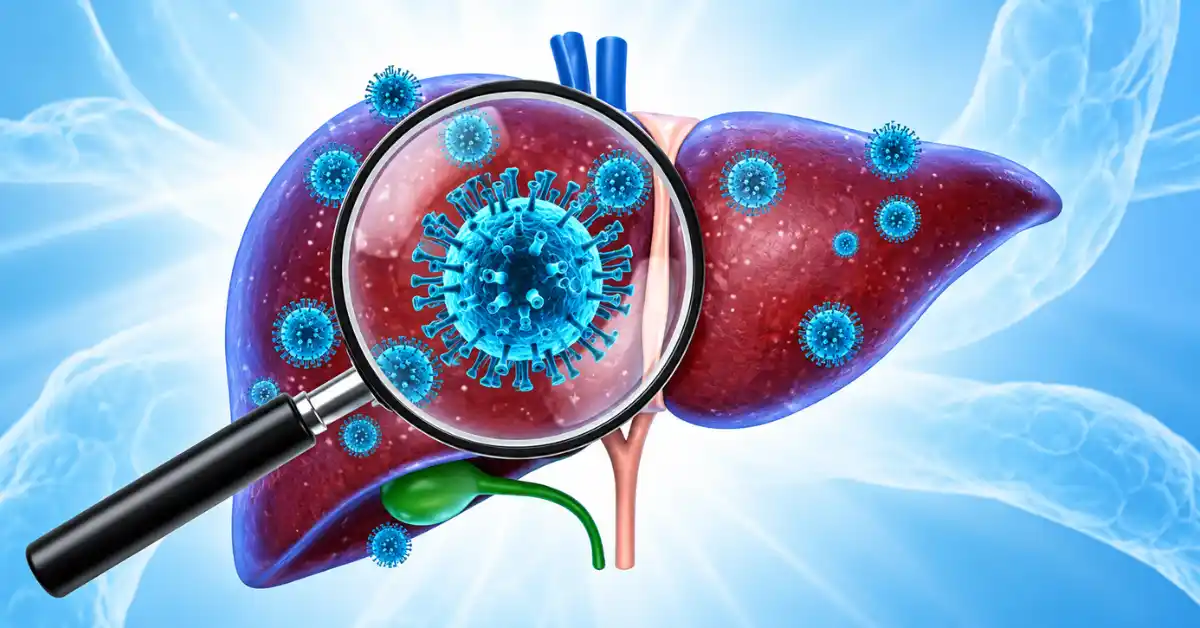
At the same time, your immune system has been deliberately suppressed. Medications such as tacrolimus, cyclosporine, and mycophenolate exist to stop your body from attacking the new liver as foreign tissue. That protection is essential, but it also means bacteria, parasites, and viruses that a healthy immune system would brush off can pose a real threat.
Those two facts together explain the entire framework of post transplant nutrition: eat enough of the right things to heal, and avoid the specific things that raise infection risk or interfere with your medications.
Building Your Plate
Rather than memorizing a rigid meal plan, think in terms of categories your plate should regularly include.
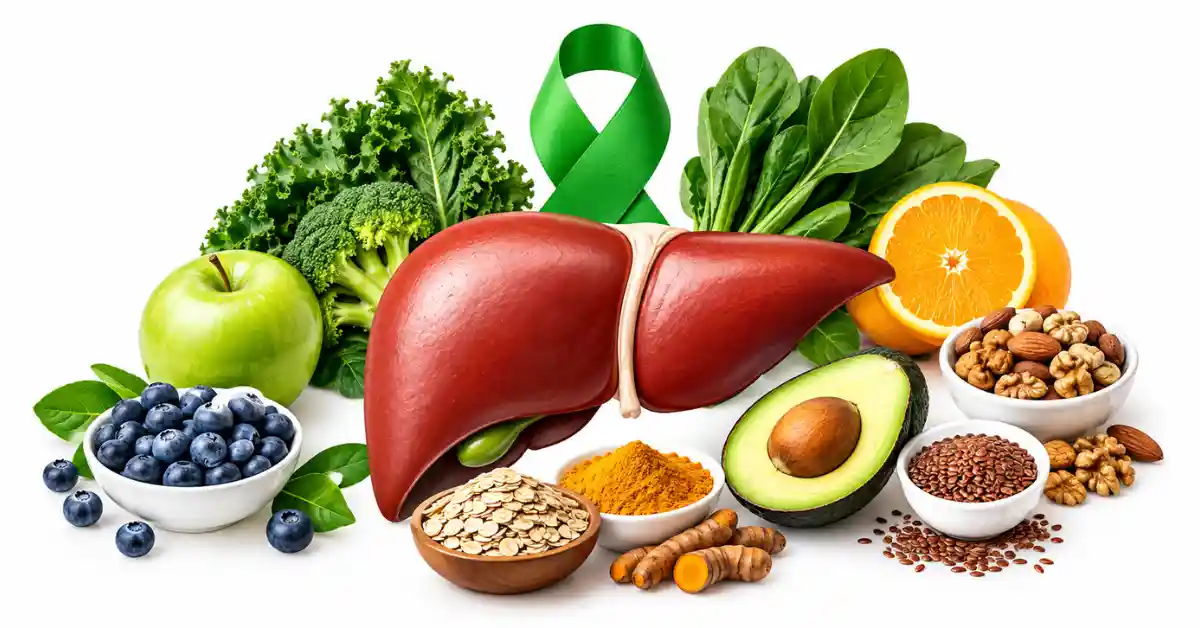
- Protein repairs tissue and preserves muscle. Many recovering patients need noticeably more than their pre surgery baseline, particularly if they lost muscle mass during advanced liver disease (a condition called sarcopenia). Thoroughly cooked poultry, fish, eggs, tofu, legumes, and pasteurized dairy all count. Interestingly, clinical nutrition guidelines for cirrhosis patients also recommend a late evening snack, since going too long overnight without food can accelerate muscle breakdown in liver disease.
- Whole grains such as oats, brown rice, quinoa, and whole wheat release energy more gradually than refined starches, which matters because several anti rejection medications can raise blood sugar.
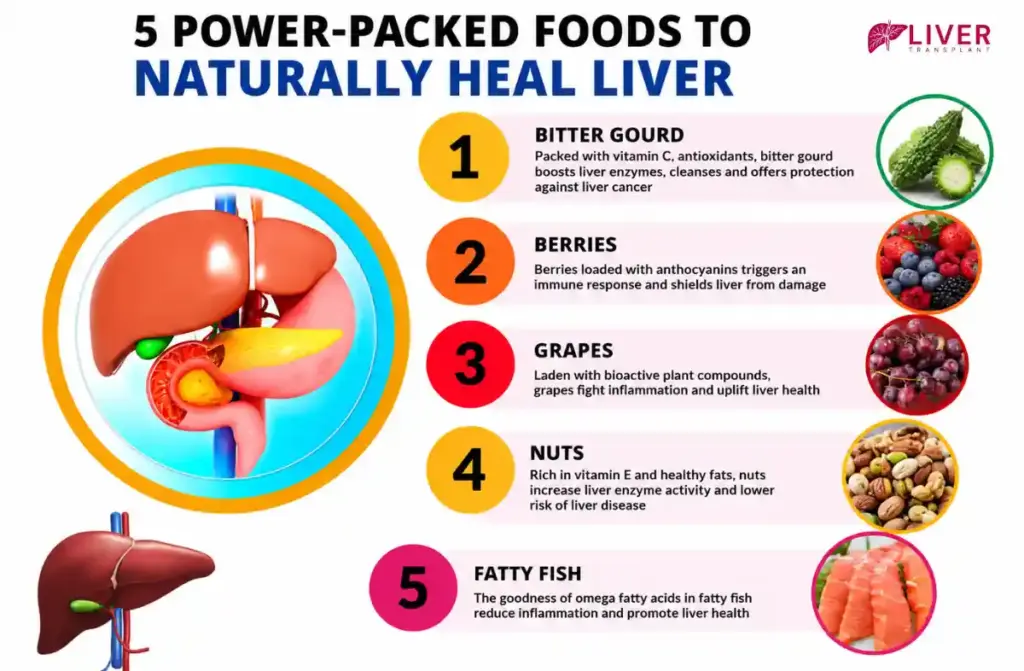
- Fruits and vegetables, washed thoroughly and with any damaged portions trimmed away, supply the antioxidants and fiber that support general recovery.
- Healthy fats in moderate amounts, olive oil, avocado, unsalted nuts, help offset the cholesterol changes that some immunosuppressants cause, without swinging to a low fat extreme.
- Calcium rich foods, including pasteurized milk, yogurt, and cheese, help counter the bone density loss associated with long term steroid or immunosuppressant use.
- Water should be your default beverage. Adequate hydration supports kidney function, which matters because several transplant medications are processed renally and can be harder on the kidneys when you’re dehydrated.
Foods That Deserve a Hard Line
Most of this diet is about balance. A short list of items isn’t a matter of preference, it’s a matter of infection risk or drug interaction, and transplant programs are consistently strict about these.
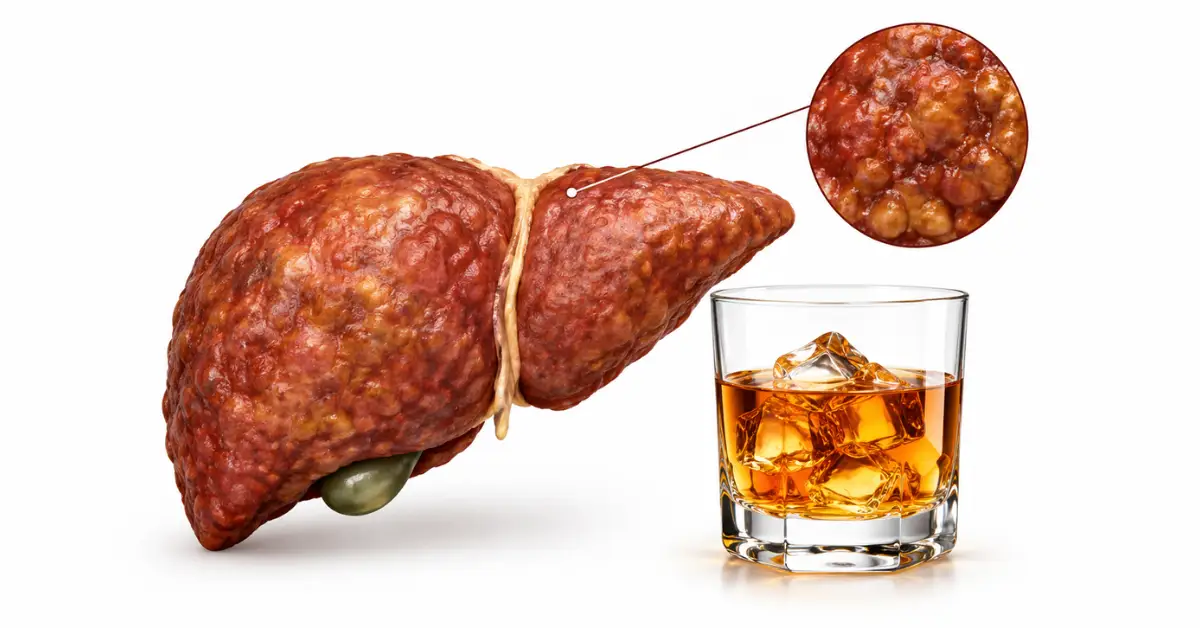
- Alcohol. Direct toxicity to liver tissue makes this a near universal restriction after transplant.
- Raw or undercooked meat, poultry, and seafood. These can carry Listeria, Salmonella, and E. coli, organisms a suppressed immune system may struggle to clear.
- Raw or runny eggs. Unless made with pasteurized egg product, undercooked eggs carry meaningful Salmonella risk.
- Unpasteurized dairy and juices. Pasteurization exists specifically to eliminate the pathogens that pose the greatest threat to immunocompromised people.
- Raw sprouts. The warm, humid growing conditions make them notoriously difficult to wash clean of bacteria.
- Grapefruit and grapefruit juice. Grapefruit contains furanocoumarins that inhibit intestinal CYP3A4, the enzyme responsible for metabolizing tacrolimus and cyclosporine. Published pharmacokinetic studies in transplant recipients have measured clinically significant increases in tacrolimus blood concentration after grapefruit juice intake, in one liver transplant study, by more than 10 ng/mL, a change large enough to push drug levels into a toxic range. This is one of the most consistently repeated warnings in transplant pharmacy counseling, and it’s a real, measured interaction rather than general caution.
- Anything expired or questionable. When in doubt, discard it.
If you’re ever unsure whether a specific food falls into a gray area, ask your transplant dietitian directly rather than guessing.
Kitchen Habits That Matter as Much as the Menu
Food safety practice determines whether a healthy meal is actually safe once it reaches your plate.
- Wash hands in warm, soapy water before preparing or eating food.
- Cook meat, poultry, seafood, and eggs to full doneness, and avoid tasting anything undercooked.
- Keep raw and ready to eat foods separate, using different cutting boards and cleaning surfaces after contact with raw meat.
- Refrigerate leftovers within two hours of cooking.
- Rinse produce thoroughly under running water, even items you plan to peel.
These specific steps mirror the food safety guidance transplant centers such as UW Medicine’s transplant services distribute directly to patients, and the reasoning is consistent across programs: basic handling lapses, not exotic dietary mistakes, cause most preventable foodborne illness in immunosuppressed patients.
How Nutritional Needs Shift Over Time
Recovery priorities change as healing progresses. In the first days after surgery, the priority is simply meeting energy, fluid, and protein needs while appetite is often low, smaller, more frequent meals tend to work better than three large ones.
Through the first month, protein remains central while tissue repair and muscle rebuilding are most active, and food safety vigilance stays high since immunosuppression is typically strongest in this early window.
By months two and three, appetite usually improves and eating becomes more varied. This is a good point to establish habits meant to last, rather than treating recovery eating as temporary.
Beyond three months, the focus shifts from healing toward prevention: maintaining a healthy weight, protecting bone density, and reducing the risk of metabolic complications such as fatty liver disease recurrence, which can occur even in a transplanted organ if diet and activity aren’t managed. Some transplant nutrition programs, including a Mayo Clinic supported trial, now study whether a modified Mediterranean pattern, rich in produce, whole grains, legumes, and lean protein with limited sodium, improves long term outcomes after liver transplant specifically.
Common Struggles and What Actually Helps
Low appetite is extremely common early in recovery. Smaller portions built around concentrated nutrition, a protein shake, yogurt with nuts, a cooked egg, can meet needs without the discouragement of an unfinished plate.
Weight gain tends to show up later, driven partly by steroid use and partly by appetite simply returning to normal. Nutrient dense, minimally processed foods paired with gradually increasing activity tend to outperform restrictive dieting here.
Elevated blood sugar or cholesterol from medication side effects usually responds to the same whole food, lower refined carbohydrate pattern already built into the core framework, this isn’t a separate diet, just a tighter application of the same one.
Nausea or digestive discomfort sometimes tracks with medication timing. Smaller meals and steady hydration often help, but persistent symptoms should be reported to your transplant team rather than managed through trial and error.
Lingering muscle weakness responds best to adequate protein combined with physical activity; neither alone accomplishes as much as the two together.
A Sample Day
- Breakfast: Oatmeal with low fat milk, a fully cooked egg, sliced fruit
- Mid morning: Plain yogurt with berries, or a small handful of unsalted nuts
- Lunch: Grilled chicken or lentils, brown rice, cooked vegetables, a well washed salad
- Afternoon: Roasted chickpeas or whole grain crackers with hummus
- Dinner: Grilled fish or tofu, steamed vegetables, quinoa
- Throughout the day: Water as the primary beverage
This is illustrative, not a template to follow exactly. Your dietitian may adjust portions or substitutions based on your labs and personal needs.
Nutrition Alongside Everything Else
Diet doesn’t work in isolation. Its value compounds when paired with strict medication adherence (no dietary choice compensates for a missed or altered immunosuppressant dose), regular movement scaled to your recovery stage, avoiding tobacco and alcohol entirely, and keeping every follow up appointment, since blood work often catches nutrition related issues, early kidney strain or rising glucose, before symptoms appear.
Conclusion
A transplanted liver is resilient, but it isn’t invincible, and the immunosuppression that protects it also makes everyday food choices matter more than they used to. Transplant friendly eating isn’t a lifetime of deprivation. It’s a well balanced, food safety conscious version of the same diet most nutrition guidelines already recommend, with a bit more protein while healing, real caution around raw or unpasteurized foods, and a permanent no to grapefruit and alcohol.
Recovery isn’t measured in perfect days. It’s built through consistent habits, meals that support healing, practices that reduce infection risk, and follow through on medical care, sustained over years.
Read More: How to Keep Your Liver Healthy