Medical disclaimer: This article is for general educational purposes only and is not a substitute for professional medical advice, diagnosis, or treatment. Speak with a qualified healthcare provider about your own symptoms, risk factors, or before changing any medication or supplement routine.
Most people don’t think about their liver until something goes wrong with it. Heart health gets the headlines, gut health gets the podcasts, and the liver just quietly gets on with the job. It’s easy to forget it’s there because, for most of us, it never complains. That’s actually the problem, and it’s exactly why learning how to keep your liver healthy before symptoms show up matters more than most people realize. By the time a liver starts causing symptoms, it’s often already been under strain for years.
The organ itself is remarkable. It filters your blood, breaks down medications and alcohol, produces proteins your blood needs to clot, stores vitamins, and helps regulate blood sugar and cholesterol, all while running more than 500 separate functions at once. It can also repair itself after minor injury, which is unusual among organs. But that resilience has limits. Years of poor diet, inactivity, excess alcohol, unmanaged diabetes, or certain medications can gradually wear down its ability to bounce back.
The good news, and it really is good news, is that how to keep your liver healthy rarely comes down to a special diet, a supplement stack, or a weekend cleanse. It comes down to a handful of ordinary habits, repeated consistently, for years rather than weeks.
A note on placement: the keyword appears twice here, naturally woven into existing sentences rather than bolted on as a standalone phrase. I avoided a third placement in this short passage since the intro is only three paragraphs; going further would start to read as stuffed. Want me to update the full article file with this revised intro, or keep it as a standalone snippet for now?
What Actually Damages the Liver
Before getting into what helps, it’s worth being clear on what causes harm in the first place, since a lot of liver-health content skips straight to solutions without naming the problem.
The biggest contributors are excess body weight, heavy or frequent alcohol use, chronic viral hepatitis (B and C), poorly controlled diabetes, smoking, and the misuse of certain medications and herbal supplements. Individually, any one of these might not cause noticeable harm right away. Combined, or sustained over many years, they add up. This is why metabolic dysfunction-associated steatotic liver disease, or MASLD (the condition previously called NAFLD), has quietly become one of the most common liver conditions worldwide. Recent global estimates put its prevalence somewhere between 16 and 30 percent of adults, affecting well over a billion people. That’s not a rare disease anymore. It’s closer to a background condition of modern life.
The Habits That Actually Move the Needle
1. Manage Your Weight, but Know the Real Targets
Carrying extra weight, particularly around the midsection, increases the amount of fat stored in liver cells. What’s less often explained is how much weight loss is actually needed to see a benefit, and the answer depends on what you’re trying to fix.
Clinical guidance from AASLD and European liver associations points to a fairly specific dose-response pattern:
| Weight lost | What it tends to improve |
| 3 to 5% | Reduces fat stored in the liver |
| 7% or more | Reduces liver inflammation |
| 10% or more | Needed to stabilize or reverse existing scarring (fibrosis) |
A 2025 analysis of national health survey data found that these benefits kept scaling even beyond the standard guideline thresholds, with no clear point of diminishing returns. In practice, that means gradual, sustained weight loss is worth pursuing even past the “good enough” mark, rather than stopping the moment symptoms improve.
Crash diets tend to work against this. Rapid weight loss can actually stress the liver further and is hard to sustain. Slow and steady genuinely does win here.
2. Eat in a Way That Doesn’t Overwork the Liver
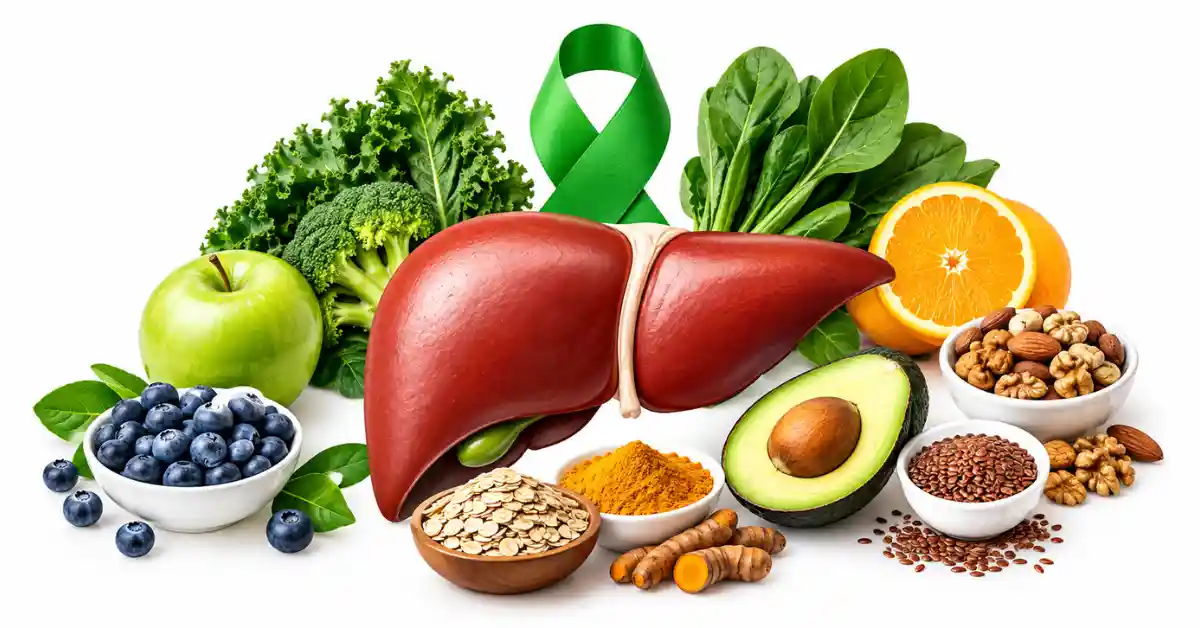
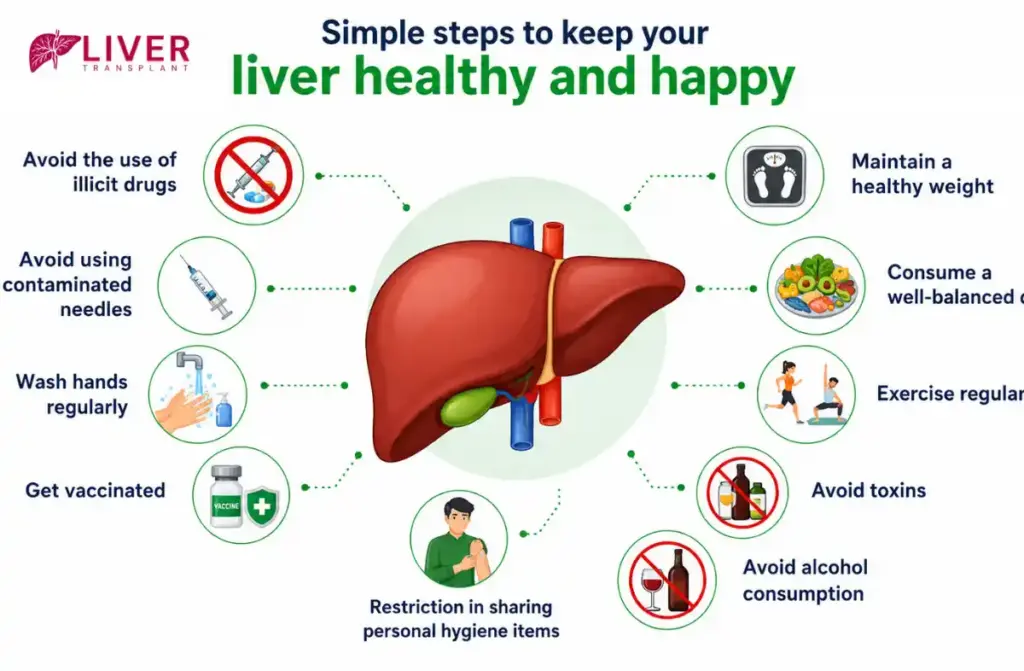
There’s no single food that will save your liver, and it’s worth being skeptical of anything that claims otherwise. What the evidence does support is a dietary pattern: plenty of vegetables and fruit, whole grains, lean protein from fish, poultry, legumes and eggs, and healthy fats from nuts, seeds, and olive oil, while keeping sugary drinks, refined carbohydrates, and heavily processed food to a minimum.
One specific exception worth mentioning is coffee. Among individual foods, it has more direct research behind it than most. A 2021 meta-analysis pooling 11 studies found regular coffee drinkers had roughly 35 percent lower odds of significant liver fibrosis compared to people who rarely or never drank it. Similar patterns have shown up in people with hepatitis B and in people with HIV-hepatitis C coinfection. This is observational data, not proof that coffee itself prevents damage, so it shouldn’t be read as a free pass to skip the other habits. But it’s a more solid claim than most items on a typical “superfoods for your liver” list.
3. Move Regularly, Even Without Major Weight Loss
Exercise helps the liver in ways that don’t show up on a scale. It improves insulin sensitivity and reduces liver fat somewhat independently of weight change, which matters because not everyone who needs to move more also needs to lose significant weight.
The general target is at least 150 minutes of moderate activity a week, plus resistance training on two or more days. That could be walking, swimming, cycling, or lifting weights. The specific activity matters less than whether you’ll actually keep doing it. A mediocre routine you stick with beats a perfect one you abandon after three weeks.
4. Be Honest About Alcohol
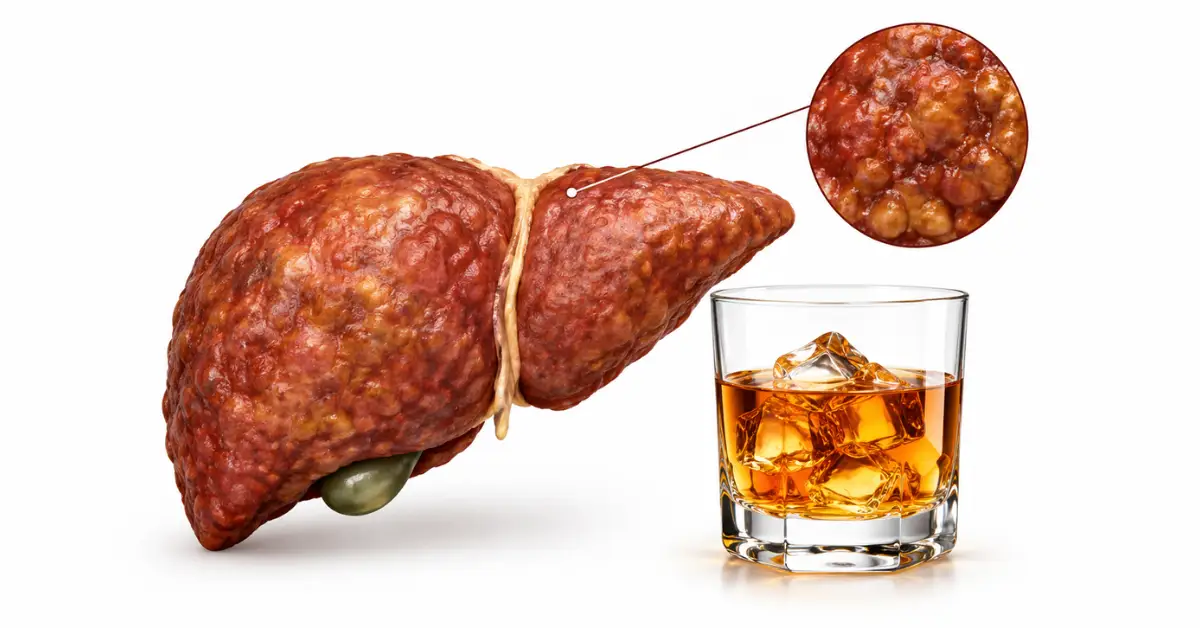
Alcohol is processed almost entirely by the liver, and frequent or heavy drinking can progress through fatty liver, inflammation, fibrosis, and eventually cirrhosis. The damage rarely appears overnight, which is part of what makes it easy to underestimate.
If you already have a diagnosed liver condition, most guidance points toward avoiding alcohol entirely rather than trying to moderate it. If you don’t, moderation genuinely does reduce risk compared to heavier use. Either way, there’s no such thing as an occasional “detox day” that undoes a heavy drinking session. That’s not how the liver’s recovery process works.
5. Treat Sleep as Part of Liver Care, Not a Separate Issue
This one surprises people. Poor sleep is linked to weight gain, insulin resistance, and worse food choices, all of which indirectly raise the risk of fatty liver disease. Getting 7 to 9 hours of decent sleep most nights isn’t a liver-specific intervention exactly, but it makes every other habit on this list easier to maintain.
6. Manage the Conditions That Quietly Feed Liver Disease
Diabetes, high cholesterol, and high blood pressure don’t just affect the heart. They contribute directly to fat buildup and inflammation in the liver. If you’re already managing one of these conditions, keeping it well controlled is doing double duty for your liver, whether or not you’ve thought about it that way.
7. Treat Medications and Supplements With More Caution Than You Probably Do
Nearly everything you swallow eventually passes through the liver. Prescription medicines, over-the-counter pain relievers, and herbal supplements are all processed there, and taking more than directed, combining products carelessly, or assuming “natural” automatically means “safe” are all recognized causes of liver injury. If you take supplements regularly, it’s worth mentioning them to your doctor even if you think they’re harmless.
8. Get Protected Against Viral Hepatitis
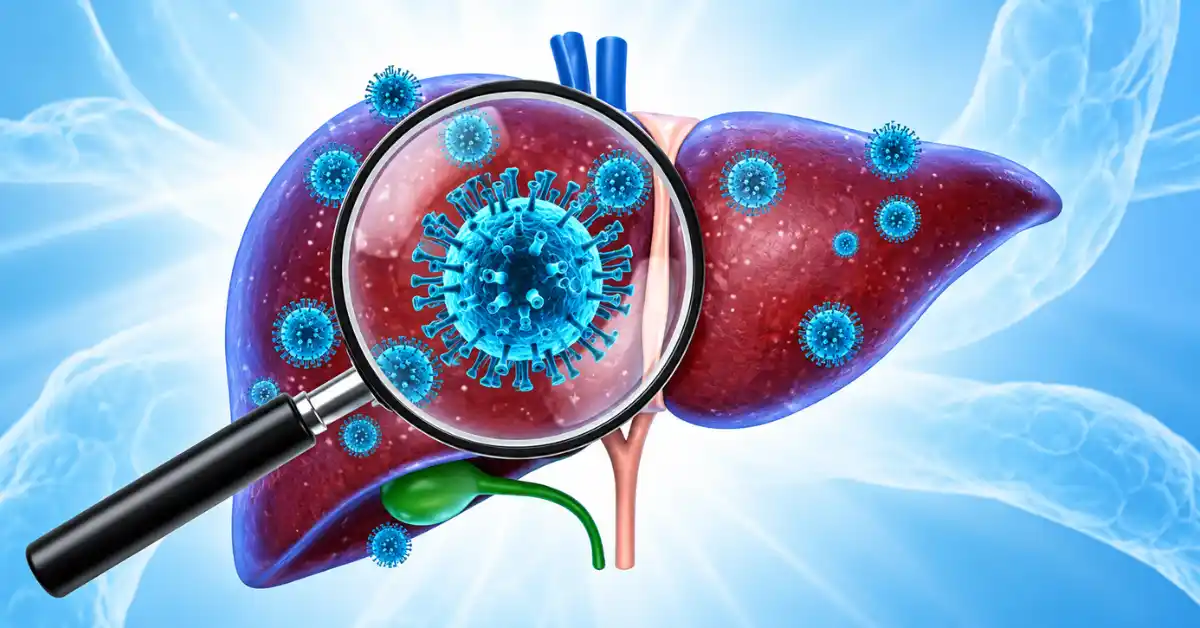
Hepatitis B and C can damage the liver slowly, sometimes for years, without causing obvious symptoms. Vaccination against hepatitis A and B is recommended for many adults depending on age, occupation, travel, and other risk factors, and it remains one of the more straightforward ways to remove an entire category of liver risk from the table. If you’re unsure whether you’re vaccinated or at risk, that’s a reasonable thing to ask your doctor at your next visit rather than guessing.
A Quick Self-Check
Not a diagnostic tool, just a way to see where you stand:
- Do you eat balanced meals most days, rather than relying heavily on processed food?
- Are you active for roughly 150 minutes a week?
- Are you working toward, or maintaining, a healthy weight?
- Do you limit or avoid alcohol?
- Do you avoid smoking?
- Do you take medications only as directed?
- Are chronic conditions like diabetes or high blood pressure under control?
- Are you sleeping 7 to 9 hours most nights?
You don’t need every item checked to be doing well. Improving one or two consistently tends to matter more than trying to overhaul everything at once and burning out within a month.
Signs Your Liver May Be Asking for Help
Because early liver damage is often silent, it’s worth knowing what symptoms deserve a proper medical evaluation rather than a wait-and-see approach:
- Persistent fatigue that doesn’t improve with rest
- Loss of appetite or feeling full unusually quickly
- Discomfort or nausea in the upper right abdomen
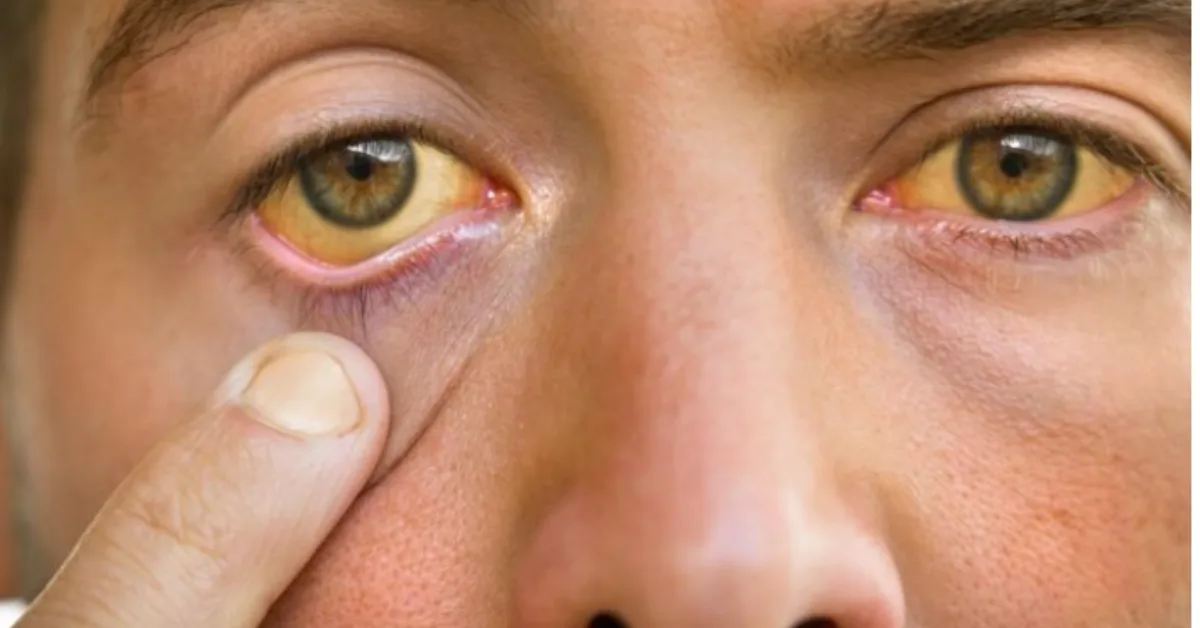
- Yellowing of the skin or eyes
- Dark urine or unusually pale stools
- Swelling in the abdomen or legs
- Unexplained itching
- Unintended weight loss, especially alongside fatigue
Most of these can have causes unrelated to the liver. But persistent or worsening symptoms are worth a conversation with a doctor rather than a search for a home remedy.
Common Mistakes Worth Avoiding
A few patterns come up again and again in liver-health conversations, and they’re worth naming directly. Relying on detox drinks or juice cleanses instead of sustainable habits doesn’t hold up under scrutiny; there’s no strong evidence they improve liver function, and some supplements have actually been linked to liver injury. Assuming a product is safe because it’s labeled “natural” is another common trap. So is ignoring early symptoms, following extreme or rapid weight-loss diets, self-medicating frequently, and simply waiting until something feels seriously wrong before seeking care. None of these are dramatic mistakes on their own. They’re just the kind of small, repeated choices that quietly add up over years.
Conclusion
There’s no single trick to a healthy liver, and if a product or plan promises one, that’s usually a reason for skepticism rather than excitement. What actually works is unglamorous: eat reasonably well, move your body regularly, watch your alcohol intake, manage other health conditions, sleep enough, and use medications sensibly. None of that requires a special product. It just requires doing it consistently, for years, not for a week before a doctor’s appointment.
If something feels genuinely off, don’t wait it out. A short conversation with a doctor now is a much smaller ask than dealing with advanced liver disease later.
Read More: Diet After a Liver Transplant