Being told you have non-alcoholic fatty liver disease (NAFLD) can leave you with a lot of questions. Do you need medicines? Should you completely change your diet? And most importantly, can your liver recover?
The reassuring answer is that fatty liver can often be improved, particularly when it is identified before significant scarring develops. NAFLD is now commonly referred to as metabolic dysfunction-associated steatotic liver disease (MASLD) because of its strong connection with metabolic factors such as excess weight, insulin resistance and type 2 diabetes.
Treatment is not about finding one medicine that “cleans” the liver. It is about reducing liver fat, addressing the factors driving it and identifying liver scarring early.
The First Step is Knowing How Much the Liver Has Been Affected
Not everyone with fatty liver has the same level of risk.
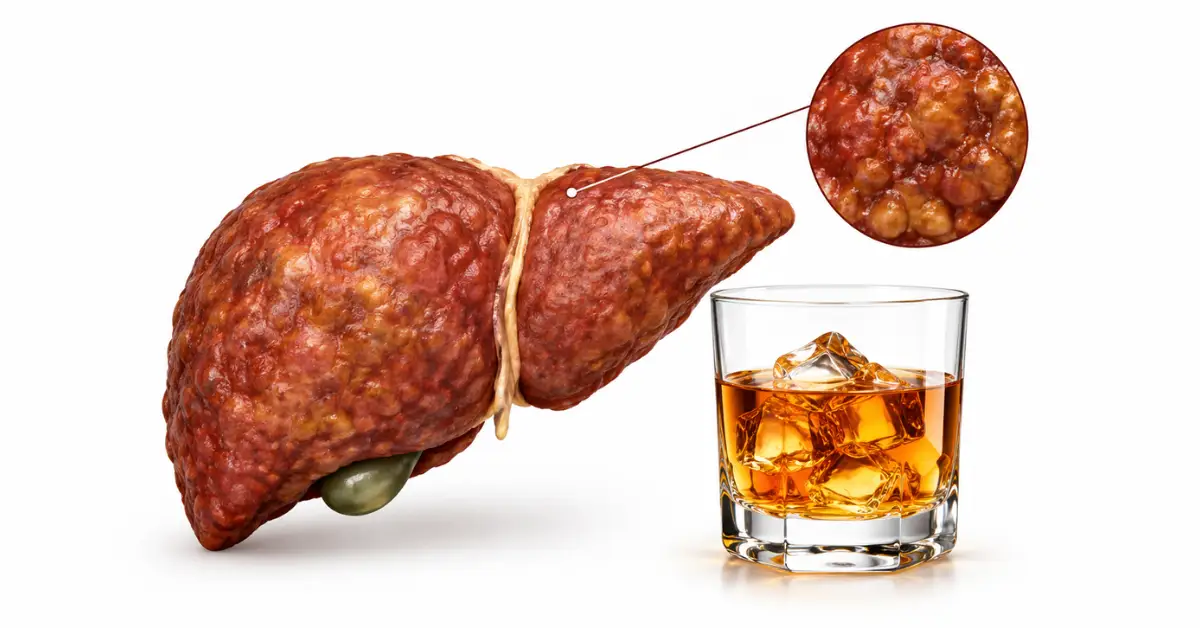
Some people have fat accumulation without significant inflammation or scarring. Others develop MASH (metabolic dysfunction-associated steatohepatitis), where inflammation can lead to progressive fibrosis and, eventually, cirrhosis.
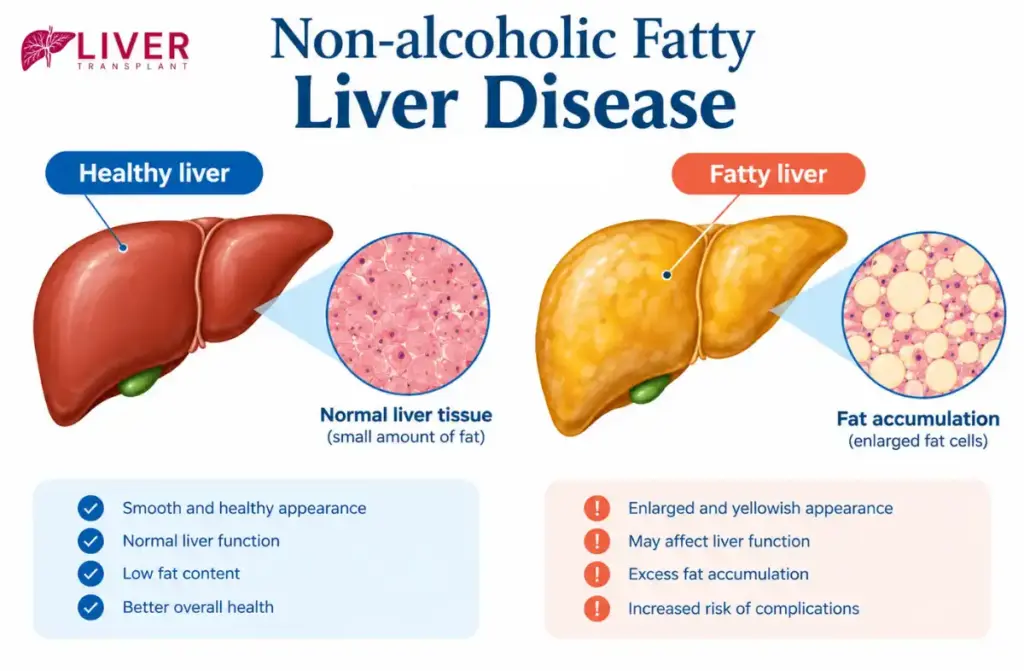
That difference changes how treatment is approached.
| Liver status | What treatment generally focuses on |
| Fatty liver without significant fibrosis | Lifestyle changes and management of metabolic risk factors |
| MASH with significant fibrosis | More intensive management, monitoring and potentially specific medication |
| Advanced fibrosis or cirrhosis | Specialist care, closer monitoring and management of complications |
So the first question is not simply “Which medicine should I take?”
It is “Has my liver developed significant inflammation or scarring?” That assessment helps determine how aggressively the condition needs to be managed.
Weight Loss Can Give the Liver a Chance to Recover
If you are overweight or living with obesity, gradual and sustainable weight loss is one of the most effective ways to reduce liver fat.
The benefit is not simply about seeing a lower number on the weighing scale.
- Around 5% weight loss can reduce liver fat.
- Around 7–10% or more, when appropriate and sustainable, may provide greater improvement in liver inflammation and fibrosis.
- The important word is sustainable. Crash diets may produce rapid changes but are difficult to maintain and are not the goal of long-term liver care.
You also do not have to wait until you reach your “ideal weight” before your liver can benefit. Progress matters long before perfection.
If you are not overweight, however, weight loss may not be the right goal. Treatment should be tailored to your individual metabolic and nutritional needs.
Exercise Helps Even When Weight Loss is Modest
Exercise is valuable for the liver even when the weighing scale does not change dramatically. Regular physical activity can help reduce liver fat and improve insulin sensitivity and overall metabolic health.
You do not need an extreme workout programme.
- Aerobic activity such as brisk walking, cycling or swimming can help increase your daily activity.
- Resistance training can improve muscle strength and metabolic health.
- Breaking up long periods of sitting can make your overall routine more active.
The best programme is one you can continue consistently. Your liver benefits from regular movement, not occasional bursts of extreme exercise.
You Don’t Need a Special “Fatty Liver Diet”
There is no single food that can reverse fatty liver, and you do not need to eliminate entire food groups to protect your liver.
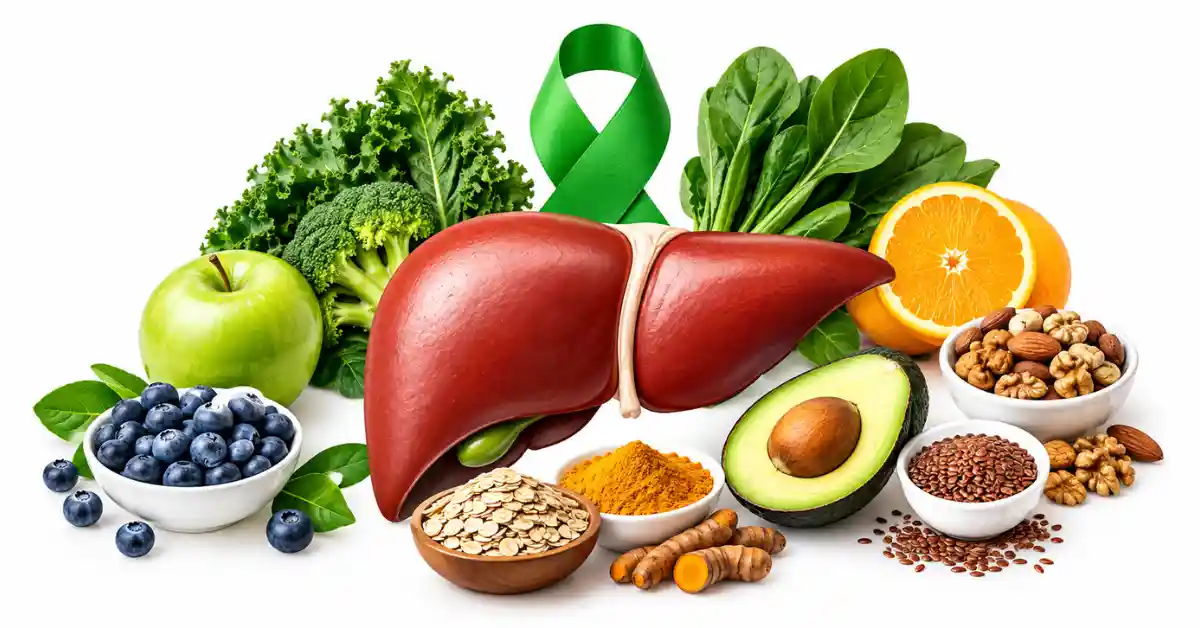
Instead, focus on the overall quality of your diet. A Mediterranean-style eating pattern is one useful approach because it emphasises vegetables, fruits, whole grains, legumes, nuts, unsaturated fats and minimally processed foods.
It also helps reduce the foods that can make metabolic health harder to manage.
- Cut back on sugar-sweetened drinks: They can add substantial amounts of sugar without making you feel particularly full.
- Limit highly processed foods: Frequently eating calorie-dense processed foods can make weight and metabolic control more difficult.
- Choose healthier fats more often: Unsaturated fats can replace some sources of saturated fat within a balanced diet.
- Increase fibre-rich foods: Vegetables, whole grains, legumes and other high-fibre foods can support a healthier dietary pattern.
The aim is not to eat perfectly. A balanced eating pattern that you can maintain is more useful than a restrictive diet you abandon after a few weeks.
When Do Medicines Become Part of Treatment
Not everyone with fatty liver needs a liver-specific medicine.
For many people with lower-risk disease, lifestyle changes and treatment of metabolic risk factors remain the foundation of care. Medication becomes more relevant when there is a higher-risk form of disease, particularly MASH with significant fibrosis, or when associated conditions such as obesity or type 2 diabetes also require treatment.
The treatment options have also expanded in recent years.
- Resmetirom: This liver-directed medicine may be used in selected adults with non-cirrhotic MASH and significant fibrosis, depending on individual assessment and applicable regulatory guidance.
- Semaglutide: In selected patients with MASH and moderate-to-advanced fibrosis, semaglutide has become another treatment option in jurisdictions where it is approved for this indication.
- Medicines for associated conditions: Treatments for obesity, diabetes and abnormal cholesterol may also form an important part of the overall plan.
These medicines are not automatically appropriate for everyone with fatty liver. Your doctor considers the degree of fibrosis, metabolic health, other medical conditions, potential benefits and risks, and local treatment approvals before recommending medication.
The goal is not to put every person with fatty liver on a medicine. The goal is to give the right treatment to the right patient.
Treating Your Metabolic Health is Part of Treating Your Liver
Fatty liver often develops alongside insulin resistance, type 2 diabetes, obesity, high triglycerides, high cholesterol or high blood pressure. These conditions should not be viewed as separate problems.
Improving them can be an important part of protecting the liver.
- Better blood sugar control can address an important driver of metabolic liver disease.
- Managing cholesterol and triglycerides supports both liver and cardiovascular health.
- Appropriate obesity treatment can help reduce liver fat when excess weight is a contributing factor.
- Managing blood pressure and cardiovascular risk is particularly important because cardiovascular disease is a major concern in people with MASLD.
The liver is part of your metabolic health, not an isolated organ.
Can Fatty Liver Actually Be Reversed?
For many people, yes especially when it is addressed early. Liver fat can decrease substantially when the underlying metabolic factors are improved. In people with MASH, greater sustained weight loss is associated with improvements in inflammation and fibrosis.
But there is an important distinction:
Liver fat and liver scarring do not behave in exactly the same way. Fat in the liver may improve relatively quickly, while fibrosis usually takes longer to assess and may not completely reverse once it becomes advanced.
That is why early assessment matters. A fatty liver diagnosis does not necessarily mean your liver will continue getting worse. It can be the point at which you change the direction of the disease.
Be Careful With “Liver Detox” Remedies
Once people hear the words “fatty liver,” quick-fix products can become tempting.
Detox drinks, herbal mixtures, “fat-burning” supplements and extreme fasting programmes may promise to remove liver fat, but they are not substitutes for evidence-based treatment. Some supplements can even cause liver injury or interact with medicines.
Natural does not automatically mean liver-safe. If you are considering a supplement for fatty liver, discuss it with a healthcare professional first.
Monitoring is Part of Treatment
Managing fatty liver is not simply about making lifestyle changes and never looking at the liver again.
Depending on your risk, your doctor may monitor:
- Liver blood tests: These can provide useful information about liver injury, although normal liver enzymes do not always rule out significant fibrosis.
- Blood sugar and HbA1c: These help assess diabetes and metabolic risk.
- Cholesterol and triglycerides: These help assess cardiovascular and metabolic health.
- Fibrosis risk: Non-invasive scores and tests can help identify people who may have significant liver scarring.
- Imaging or specialist assessment: These may be recommended when there is concern about advanced disease.
The goal is not simply to make one blood test look normal. The goal is to understand whether liver health and the risk of progression are improving over time.
When Does Fatty Liver Need Specialist Care?
Many people can begin management with their primary doctor. Specialist assessment becomes particularly important when there is evidence or suspicion of significant liver damage.
This may include:
- Significant or advanced fibrosis
- Suspected cirrhosis
- Persistently abnormal liver tests
- Uncertainty about the diagnosis
- Signs suggesting disease progression or complications
Identifying significant fibrosis early can help determine whether closer monitoring or additional treatment is needed.
Conclusion
A diagnosis of non-alcoholic fatty liver disease does not mean your liver is destined to deteriorate.For many people, treatment begins with changes that are simple but powerful: sustainable weight management when appropriate, regular physical activity, a balanced eating pattern and better control of metabolic conditions.
For selected people with MASH and significant fibrosis, medicines may provide additional treatment options. That makes assessing the degree of liver scarring an important part of deciding what comes next.
The goal is not to find a quick “liver cure.”
It is to reduce liver fat, prevent further injury, identify fibrosis early and give the liver the best possible chance to recover.
And perhaps the most important thing to remember is this:
A fatty liver diagnosis is not simply a warning about what could happen. It is an opportunity to change what happens next.
Read More: Yoga for Fatty Liver