“Acute liver failure develops rapidly, but recognising its causes early can make a life-saving difference.”
Introduction
Acute liver failure is a rare but serious medical emergency in which the liver rapidly loses its ability to perform vital functions, often within days or weeks. Unlike chronic liver disease, which develops gradually over many years, acute liver failure can affect people with no previous history of liver problems. Because the condition progresses quickly, early recognition and immediate medical treatment are essential.
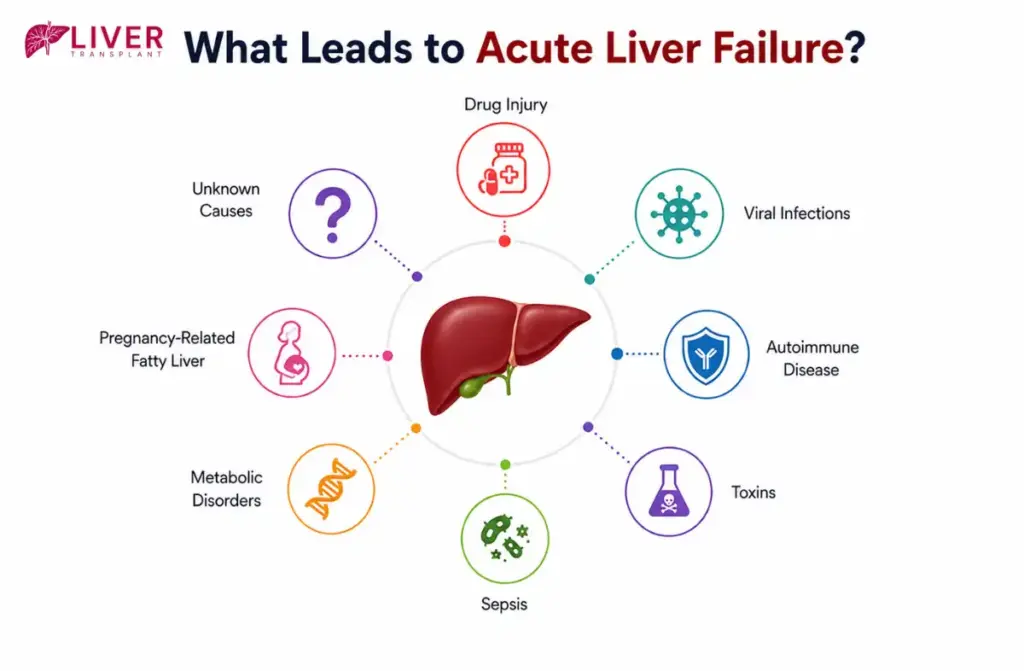
Acute liver failure can result from medication overdose, viral infections, toxins, autoimmune diseases, metabolic disorders, and several less common conditions. In some cases, despite extensive investigations, the exact cause cannot be identified. Understanding these causes is important because prompt diagnosis not only guides treatment but can also improve outcomes and reduce the risk of life-threatening complications.
This article explores the most common causes of acute liver failure, explains how each affects the liver, and highlights the warning signs that should never be ignored.
Quick Answer: What Causes Acute Liver Failure?
Acute liver failure occurs when a large number of liver cells are damaged over a short period, causing the liver to lose its ability to perform essential functions such as removing toxins, producing clotting factors, regulating metabolism, and supporting digestion. Several medical conditions and external factors can trigger this sudden liver injury.
Key causes include:
- Medication-related liver injury is one of the most common causes. An overdose of acetaminophen (paracetamol) is the leading cause of acute liver failure in many countries. Certain prescription medicines, herbal products, and dietary supplements can also cause severe liver damage in susceptible individuals.
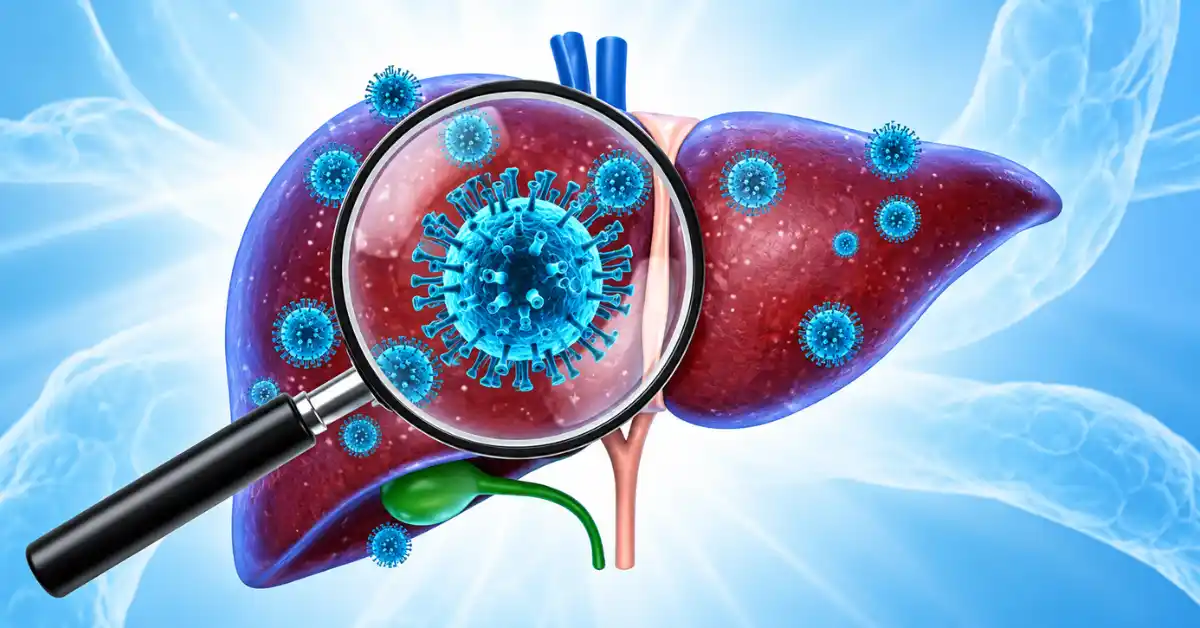
- Viral infections can rapidly inflame the liver. Hepatitis viruses, particularly hepatitis A, hepatitis B, and hepatitis E, along with some other viral infections, may cause extensive liver inflammation that progresses to acute liver failure in severe cases.
- Autoimmune and metabolic diseases may trigger sudden liver damage. In autoimmune hepatitis, the immune system mistakenly attacks healthy liver tissue, while rare inherited metabolic disorders can interfere with normal liver function.
- Exposure to toxins and reduced blood supply to the liver can cause acute injury. Poisonous mushrooms, industrial chemicals, severe infections, or conditions that reduce blood flow to the liver may all contribute to rapid liver failure.
Did You Know?
Acute liver failure can develop in individuals who have never been diagnosed with liver disease before. This is one of the reasons why sudden symptoms such as jaundice, confusion, or unusual bleeding require immediate medical evaluation.
Understanding Acute Liver Failure
The liver performs hundreds of essential functions that keep the body healthy, including filtering harmful substances from the blood, producing proteins needed for blood clotting, storing nutrients, regulating metabolism, and supporting digestion. When a significant number of liver cells are suddenly damaged, these functions begin to fail rapidly, affecting multiple organs throughout the body.
Unlike chronic liver disease, which develops gradually over many years, acute liver failure progresses within a short period—often over a few days or weeks. Because the liver can no longer remove toxins efficiently, harmful substances accumulate in the bloodstream and may affect the brain, kidneys, heart, and other organs. This rapid deterioration makes acute liver failure a medical emergency that requires immediate hospital care.
Although the condition is uncommon, identifying the underlying cause as early as possible allows doctors to begin targeted treatment, manage complications, and determine whether advanced therapies such as liver transplantation may be necessary.
How Does Acute Liver Failure Develop?
Acute liver failure does not occur simply because the liver becomes “weak.” It develops when extensive injury destroys liver cells faster than the organ can repair itself. Once enough liver tissue is damaged, essential functions begin to fail, leading to widespread effects throughout the body.
The process generally follows several stages:
| Stage | What Happens | Why It Matters |
| Initial Liver Injury | Medications, infections, toxins, or other conditions damage liver cells. | Early injury may still be reversible if the cause is recognised quickly. |
| Rapid Loss of Liver Function | The liver becomes less able to remove toxins, produce clotting proteins, and regulate metabolism. | Patients may develop jaundice, abnormal blood clotting, and worsening liver function tests. |
| Development of Complications | Toxins accumulate in the bloodstream and may affect the brain, kidneys, and other organs. | Confusion, altered consciousness, kidney injury, and severe bleeding can develop rapidly. |
| Medical Emergency | Without prompt treatment, multiple organ systems may become affected. | Early specialist care significantly improves the chances of recovery and survival. |
Understanding how acute liver failure progresses highlights why early diagnosis is so important. Even though symptoms may appear suddenly, rapid medical intervention can sometimes prevent irreversible liver damage.
The Most Common Causes of Acute Liver Failure
Although acute liver failure is uncommon, several well-recognised conditions can cause sudden and severe injury to the liver. Identifying the underlying cause is one of the first priorities after hospital admission because treatment often depends on what triggered the liver damage.
1. Acetaminophen (Paracetamol) Overdose
Acetaminophen, also known as paracetamol, is one of the most commonly used pain-relieving and fever-reducing medicines worldwide. When taken at the recommended dose, it is generally safe. However, taking excessive amounts—either intentionally or accidentally—can overwhelm the liver’s ability to safely process the drug, resulting in severe liver cell injury.
Overdose may occur after taking a single large dose or by unintentionally combining multiple medications that each contain acetaminophen. Without prompt treatment, extensive liver damage may develop within a short period.
Early medical attention is critical because an antidote is available and is most effective when administered as soon as possible after the overdose.
2. Prescription Medicines and Herbal Supplements
Although uncommon, certain prescription medications and herbal or dietary supplements can occasionally trigger severe liver injury. Some reactions occur because of predictable drug toxicity, while others are rare, unpredictable immune-related reactions that develop even when medicines are taken correctly.
Examples include certain antibiotics, anti-seizure medicines, tuberculosis treatments, chemotherapy drugs, and some herbal preparations marketed for weight loss or general wellness. Because herbal supplements are not always tested as rigorously as prescription medicines, their ingredients and safety profiles may vary considerably.
Did You Know?
“Natural” does not always mean “safe.” Some herbal supplements have been linked to serious liver injury, making it important to discuss any supplements with your healthcare provider before starting them.
3. Viral Hepatitis
Viral infections remain an important cause of acute liver failure in many parts of the world. Hepatitis viruses directly infect liver cells, leading to inflammation that can range from mild illness to severe liver damage in a small proportion of patients.
The viruses most commonly associated with acute liver failure include:
- Hepatitis A, which is usually spread through contaminated food or water.
- Hepatitis B, transmitted through blood and certain body fluids.
- Hepatitis E, particularly in regions with poor sanitation and contaminated water supplies.
Other viral infections, including herpes simplex virus, Epstein-Barr virus, cytomegalovirus, and varicella-zoster virus, may also rarely cause acute liver failure, particularly in people with weakened immune systems.
The severity of illness varies considerably, but rapid diagnosis allows doctors to provide supportive care and, in selected cases, antiviral treatment when appropriate.
4. Autoimmune Hepatitis
In autoimmune hepatitis, the immune system mistakenly attacks healthy liver cells, causing ongoing inflammation and tissue damage. While many patients develop a chronic form of the disease, some present suddenly with severe inflammation that rapidly progresses to acute liver failure.
The exact reason why autoimmune hepatitis develops remains unclear, although genetic susceptibility and environmental triggers are thought to contribute. Early diagnosis is important because treatment with immunosuppressive medicines may reduce inflammation and improve liver function in appropriately selected patients.
5. Toxin Exposure and Poisoning
Certain toxins can cause sudden and severe liver injury by directly damaging liver cells or interfering with normal liver function. Unlike many chronic liver conditions that develop gradually, toxin-related liver failure can progress rapidly and may require immediate medical intervention.
One of the most recognised examples is mushroom poisoning, particularly from certain wild mushrooms containing toxic compounds that directly attack the liver. These toxins can initially cause digestive symptoms such as nausea, vomiting, and abdominal pain before progressing to severe liver damage.
Other potential sources of liver-toxic exposure include industrial chemicals, accidental ingestion of harmful substances, and contaminated products. The severity of injury depends on the type of toxin, the amount consumed, and how quickly treatment is started.
Did You Know?
Some toxins may cause only mild symptoms initially, while serious liver damage develops later. This is why suspected poisoning should always be treated as a medical emergency, even if symptoms appear manageable at first.
6. Reduced Blood Flow to the Liver (Ischemic Hepatitis)
The liver requires a continuous supply of oxygen-rich blood to function properly. When blood flow to the liver is significantly reduced, liver cells can become deprived of oxygen and rapidly begin to suffer damage. This condition is often referred to as ischemic hepatitis or shock liver.
It commonly occurs in situations where the body experiences severe circulatory problems, such as:
- Severe heart failure
- Major blood loss
- Septic shock from serious infections
- Critically low blood pressure
- Certain cardiac emergencies
Unlike some other causes of acute liver failure, ischemic hepatitis is not caused by a direct toxin or infection. Instead, the injury occurs because the liver does not receive enough oxygen to maintain normal function.
Treatment focuses primarily on correcting the underlying cause, such as improving blood circulation, treating infection, or stabilising heart function. When blood flow is restored quickly, liver function may improve significantly in many cases.
Acute Liver Failure During Pregnancy
Pregnancy-related liver conditions are uncommon but can occasionally lead to serious liver dysfunction. Certain pregnancy-associated disorders can affect liver function and, in rare cases, progress to acute liver failure.
Important pregnancy-related causes include:
Acute Fatty Liver of Pregnancy (AFLP)
Acute fatty liver of pregnancy usually occurs during the third trimester and involves abnormal accumulation of fat within liver cells. It can impair liver function and may also affect other organs, including the kidneys and blood clotting system.
HELLP Syndrome
HELLP syndrome is a pregnancy complication involving:
- Hemolysis (breakdown of red blood cells)
- Elevated liver enzymes
- Low platelet count
It can cause liver inflammation, bleeding risks, and other serious complications if not recognised promptly.
Because these conditions can progress quickly, pregnant individuals experiencing symptoms such as severe abdominal pain, nausea, vomiting, headache, swelling, or jaundice require urgent medical assessment.
Did You Know?
Although pregnancy-related acute liver failure is rare, early recognition and timely delivery when medically necessary can significantly improve outcomes for both the mother and baby.
Metabolic and Genetic Disorders
Rare inherited conditions can interfere with the liver’s ability to process certain substances, occasionally resulting in acute liver failure. These disorders are uncommon but important to recognise because treatment approaches differ significantly from other causes.
Examples include:
- Wilson disease. A genetic disorder that causes excessive copper accumulation in the body. In some cases, sudden copper toxicity can lead to severe liver injury and acute liver failure, particularly in younger individuals.
- Inherited metabolic disorders. Certain conditions affecting how the body processes fats, proteins, or carbohydrates may place abnormal stress on liver cells and lead to dysfunction.
Identifying these causes is important because patients and family members may require specialised evaluation, genetic counselling, and long-term management strategies.
Acute Liver Failure With Unknown Cause (Indeterminate Acute Liver Failure)
In some cases, doctors are unable to identify a definite cause of acute liver failure even after detailed testing. This is known as indeterminate acute liver failure.
Determining the cause may involve:
- Detailed medication and supplement history
- Blood tests for viruses and autoimmune conditions
- Imaging studies
- Review of possible toxin exposure
- Additional specialised investigations
Although the exact trigger may remain unknown, patients can still receive intensive supportive treatment to manage complications and protect other organs while the liver recovers or while transplant evaluation is considered if necessary.
Factors That May Increase the Risk of Acute Liver Failure
Acute liver failure can happen to anyone, including people without previous liver disease. However, certain factors may increase the likelihood of severe liver injury.
Risk factors include:
- Taking high doses of liver-metabolised medications. Incorrect dosing, accidental overdose, or combining multiple products containing the same active ingredient can increase the risk of medication-related liver injury.
- Excessive alcohol consumption. Heavy alcohol use can weaken liver health and increase vulnerability to additional injury.
- Use of unregulated supplements. Products marketed for weight loss, bodybuilding, or detoxification may contain ingredients that can harm the liver.
- Existing liver conditions. People with chronic hepatitis, fatty liver disease, or other liver disorders may have reduced liver reserve.
- Weakened immune system. Certain infections that rarely affect healthy individuals may cause severe liver injury in immunocompromised patients.
- Genetic susceptibility. Some inherited conditions can make individuals more vulnerable to sudden liver damage.
Understanding these risk factors allows individuals and healthcare providers to take preventive steps and identify potential problems early.
Warning Signs of Acute Liver Failure That Require Immediate Medical Attention
Acute liver failure can progress rapidly, and early symptoms may appear similar to common illnesses. However, certain warning signs indicate that urgent medical evaluation is needed.
Seek immediate medical care if you experience:
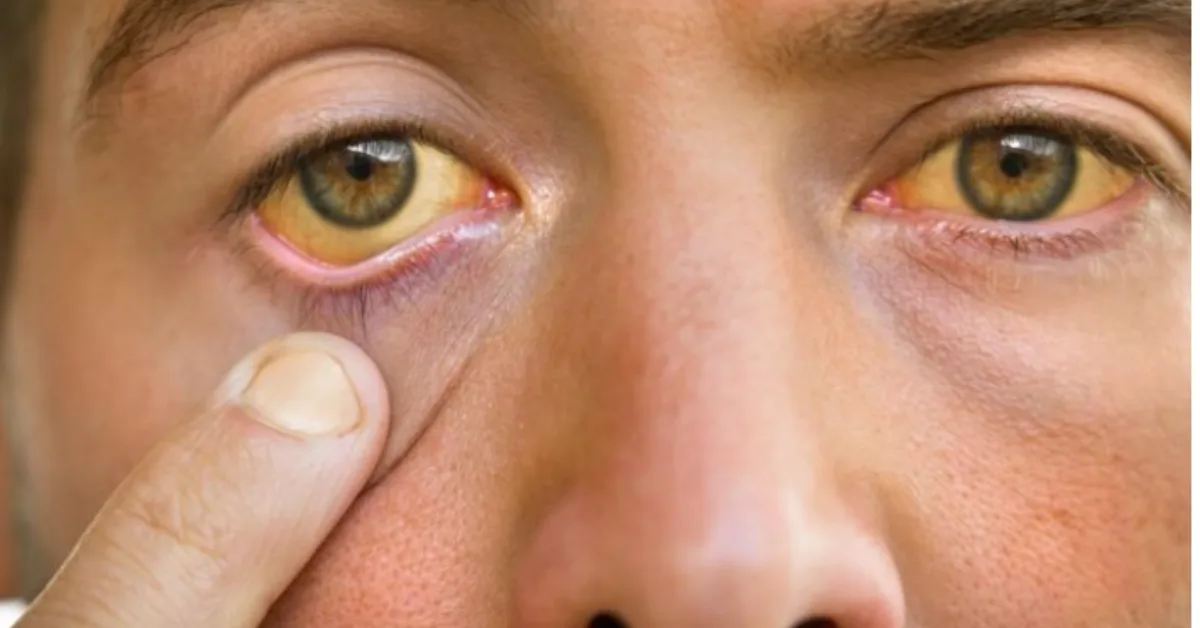
- Yellowing of the skin or eyes (jaundice). This occurs when bilirubin accumulates in the blood due to impaired liver processing.
- Confusion, drowsiness, or changes in behaviour. These may indicate hepatic encephalopathy, a condition where toxins affect brain function because the damaged liver cannot remove them effectively.
- Unusual bleeding or easy bruising. The liver produces proteins needed for blood clotting, so severe liver injury can increase bleeding risk.
- Severe nausea, vomiting, or loss of appetite. These symptoms may occur during rapid liver inflammation and should not be ignored when combined with other warning signs.
- Severe abdominal pain, especially in the upper right side. This may indicate significant liver inflammation or related complications.
- Rapid worsening of symptoms after medication overdose or toxin exposure. Any suspected overdose or poisoning requires immediate medical evaluation, even if symptoms appear mild initially.
How is Acute Liver Failure Diagnosed?
Diagnosis involves identifying liver injury, assessing how severely liver function has been affected, and determining the underlying cause.
Doctors may use:
| Evaluation | Purpose |
| Liver function blood tests | Measure enzymes and substances that indicate liver injury and function. |
| Clotting tests (INR/PT) | Assess whether the liver can produce proteins needed for normal blood clotting. |
| Bilirubin testing | Evaluates how effectively the liver processes and removes bile pigments. |
| Viral and autoimmune testing | Helps identify infections or immune-related causes. |
| Imaging studies | Examines liver structure and helps identify possible causes. |
| Medication and toxin history | Identifies possible exposure-related triggers. |
The goal is not only to confirm acute liver failure but also to determine why it occurred, because treatment depends heavily on the underlying cause.
Preventing Acute Liver Failure
Although not every case of acute liver failure can be prevented, several steps can reduce avoidable risks:
- Use medications exactly as prescribed. Avoid exceeding recommended doses and check labels carefully when taking combination medicines.
- Discuss supplements with a healthcare professional. Herbal and dietary products should not be considered automatically safe simply because they are labelled natural.
- Practice safe food and hygiene habits. Proper food handling and safe drinking water reduce the risk of certain hepatitis infections.
- Avoid unnecessary alcohol consumption. Limiting alcohol protects liver health and reduces additional stress on liver cells.
- Maintain regular medical care if you have liver risk factors. Early monitoring helps identify problems before severe complications develop.
Doctor’s Insight
“Acute liver failure is uncommon, but it requires urgent attention because the liver plays a central role in protecting the body from toxins, maintaining blood clotting, and supporting multiple organs. The most important step is recognising warning signs early and identifying the cause quickly, because timely treatment can significantly influence recovery.”
Final Thoughts
Acute liver failure is a serious condition in which the liver suddenly loses its ability to perform essential functions. While it can develop unexpectedly, understanding the possible causes—from medication toxicity and viral infections to autoimmune conditions, toxins, and reduced blood flow—helps patients recognise risks and seek timely medical care.
The liver has a remarkable ability to recover when the underlying cause is identified and treated early. However, because acute liver failure can progress rapidly, symptoms such as jaundice, confusion, unusual bleeding, or severe illness after medication overdose should never be ignored.
Protecting liver health involves more than avoiding a single risk factor. Responsible medication use, awareness of harmful substances, vaccination where appropriate, healthy lifestyle choices, and regular medical guidance for those at risk all play important roles in maintaining long-term liver function.
Read More: How to Repair Liver Damage from Alcohol