If you have been drinking heavily for a long time, it is natural to wonder whether your liver can still recover. You may even be asking yourself a more difficult question: “Have I already caused permanent damage?”
The answer depends largely on the type and stage of liver injury. The liver can recover from some alcohol-related damage, particularly when the problem is identified early and alcohol exposure is stopped. Fatty liver may improve, inflammation can settle, and some early scarring may improve. However, advanced cirrhosis involves extensive scar tissue that usually cannot be completely reversed.
So, learning how to repair liver damage from alcohol is not about finding a miracle food or detox drink. It is about stopping the ongoing injury, understanding how much damage has occurred, treating what can be treated and protecting the liver from further harm.
Can Alcohol-Related Liver Damage Really Be Repaired?
Yes, some alcohol-related liver damage can improve but the extent of recovery depends on how advanced the disease is.
Alcohol-related liver disease exists on a spectrum. Some people have mainly fatty changes in the liver, while others develop significant inflammation, fibrosis or cirrhosis.
| Stage | What is happening | Recovery outlook |
| Alcohol-related fatty liver | Fat accumulates inside liver cells | Often improves after stopping alcohol |
| Alcohol-associated hepatitis | Significant inflammation and liver injury develop | Depends on severity and treatment |
| Fibrosis | Scar tissue begins developing | Early fibrosis may improve in some people |
| Cirrhosis | Extensive scarring changes the structure of the liver | Usually not completely reversible |
| Liver failure | The liver can no longer perform its functions adequately | Requires specialist management |
This distinction matters because “liver damage” does not mean the same thing for every person. Someone with early fatty liver may have considerable potential for recovery, while someone with advanced cirrhosis needs long-term medical management to prevent complications.
And importantly, feeling well does not necessarily mean the liver is healthy. Alcohol-related liver disease can progress quietly, particularly during its earlier stages.
How Alcohol Damages the Liver Over Time
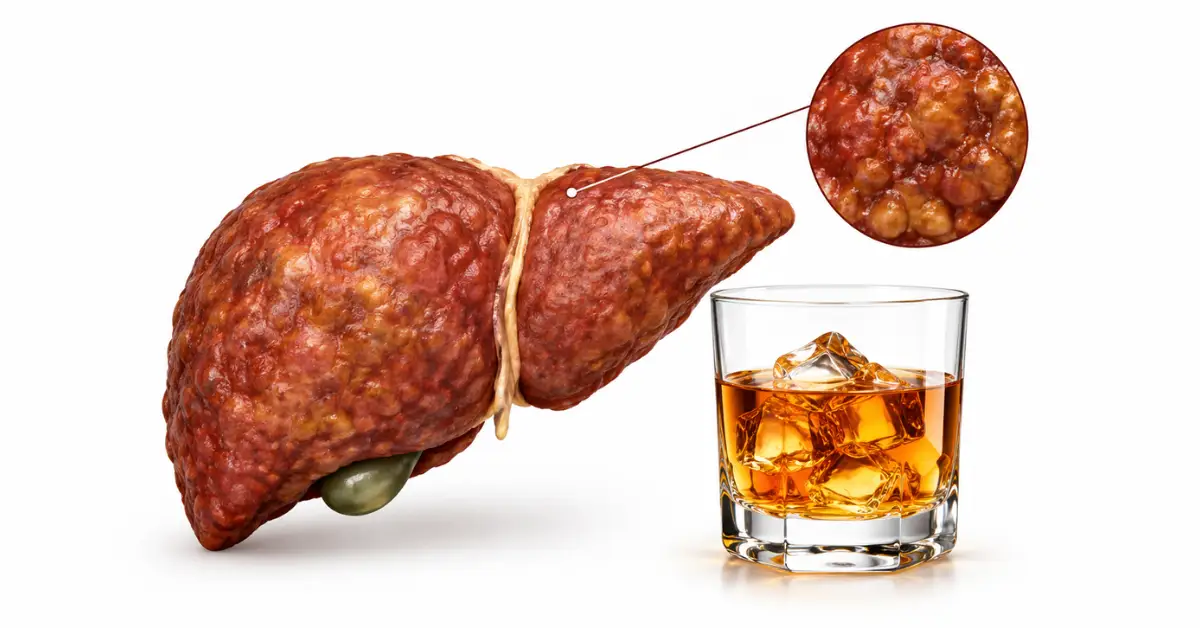
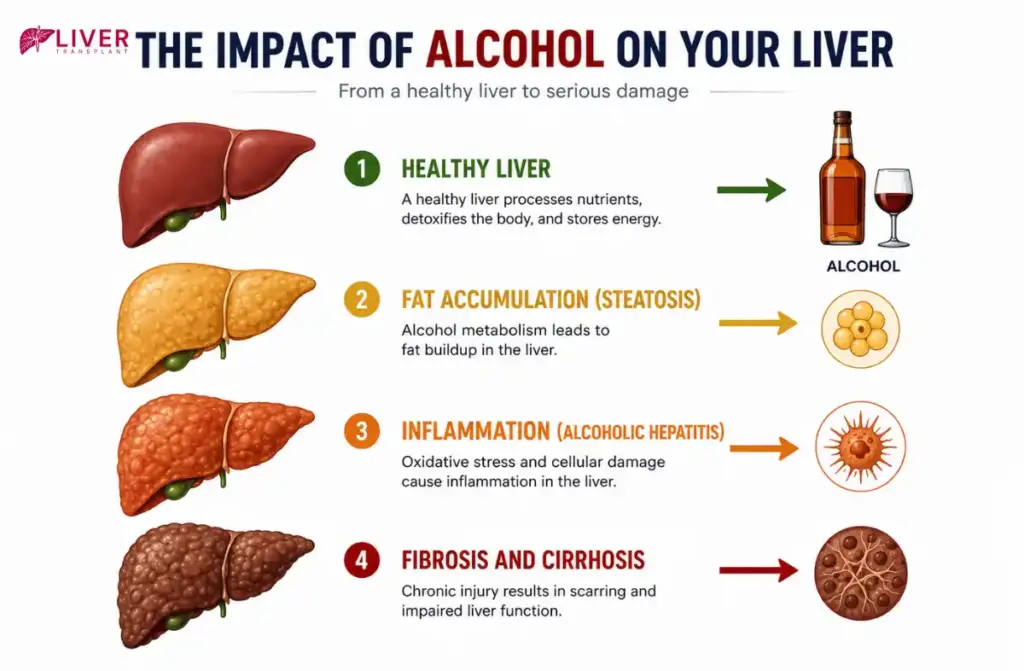
The liver processes alcohol, but repeated heavy alcohol exposure can progressively injure liver cells. The process may begin with fat accumulating in the liver. Continued injury can lead to inflammation and, over time, the development of fibrosis. When extensive scarring develops, cirrhosis can occur.
The progression is often described as:
Alcohol exposure → Fat accumulation → Inflammation → Fibrosis → Cirrhosis → Liver failure
However, this progression is not inevitable or identical for everyone. The amount and duration of alcohol use matter, but nutrition, metabolic health and other liver conditions can also influence the course of disease.
That is why comparing your drinking history with someone else’s cannot tell you how healthy your liver is.
Doctor’s Insight
Liver disease does not always cause pain in its early stages. A person can feel relatively normal while liver injury or scarring is developing. If you have a history of prolonged or heavy alcohol use, proper assessment is much more reliable than waiting for symptoms.
The Most Important Step: Stop Further Alcohol-Related Injury
If alcohol is contributing to liver damage, stopping alcohol is the foundation of recovery. Removing the source of injury gives the liver an opportunity to recover from reversible damage. Even when cirrhosis has already developed, continuing to avoid alcohol can help reduce further injury and improve outcomes. But there is an important safety consideration.
If someone has been drinking heavily or regularly for a long time, they may have developed physical dependence on alcohol. Suddenly stopping without medical guidance can cause withdrawal, which can become serious.
Medical support may be particularly important when:
- Alcohol has been consumed heavily or daily for a prolonged period, especially if withdrawal symptoms have occurred before.
- There is a history of withdrawal seizures, severe tremors or confusion after stopping alcohol.
- The person is unable to stop drinking despite repeated attempts and may need structured treatment for alcohol use disorder.
If you think you may be physically dependent on alcohol, speak with a healthcare professional before stopping abruptly. The goal is to make withdrawal safe while also building a realistic plan for long-term abstinence. Stopping alcohol is not simply one item on a lifestyle checklist. For alcohol-associated liver disease, it addresses the underlying source of ongoing injury.
What Gives the Liver the Best Chance to Recover?
Stopping alcohol is the most important step, but the liver also needs adequate nutrition and appropriate medical care.
Nutrition plays a bigger role than many people realise
People with significant alcohol-associated liver disease may experience poor appetite, vitamin deficiencies, weight loss and muscle loss. Restrictive diets or prolonged fasting can make nutritional problems worse. A balanced diet should provide enough calories, protein and essential nutrients to support recovery and maintain muscle.
For people who are already malnourished or have advanced liver disease, individual nutritional guidance from a doctor or dietitian may be particularly important.
Other health problems need attention too
Alcohol may not be the only factor affecting your liver. Conditions such as obesity, diabetes and abnormal cholesterol can coexist with alcohol-related liver disease and may contribute additional metabolic stress.
Managing these conditions through appropriate lifestyle changes and medical treatment can therefore become part of protecting the liver over the long term.
Be careful with medicines and supplements
A damaged liver is not the right time to experiment with multiple “liver detox “products.
- Some supplements can themselves cause liver injury, particularly when taken in high doses or combined with other products.
- Herbal remedies are not automatically safe simply because they are labelled natural.
- Your doctor should know about prescription medicines, over-the-counter medicines, supplements and herbal products you are taking.
The aim is not to add more substances to the liver. It is to remove unnecessary sources of injury and treat the underlying disease appropriately.
Foods That Support Liver Health and What to Limit
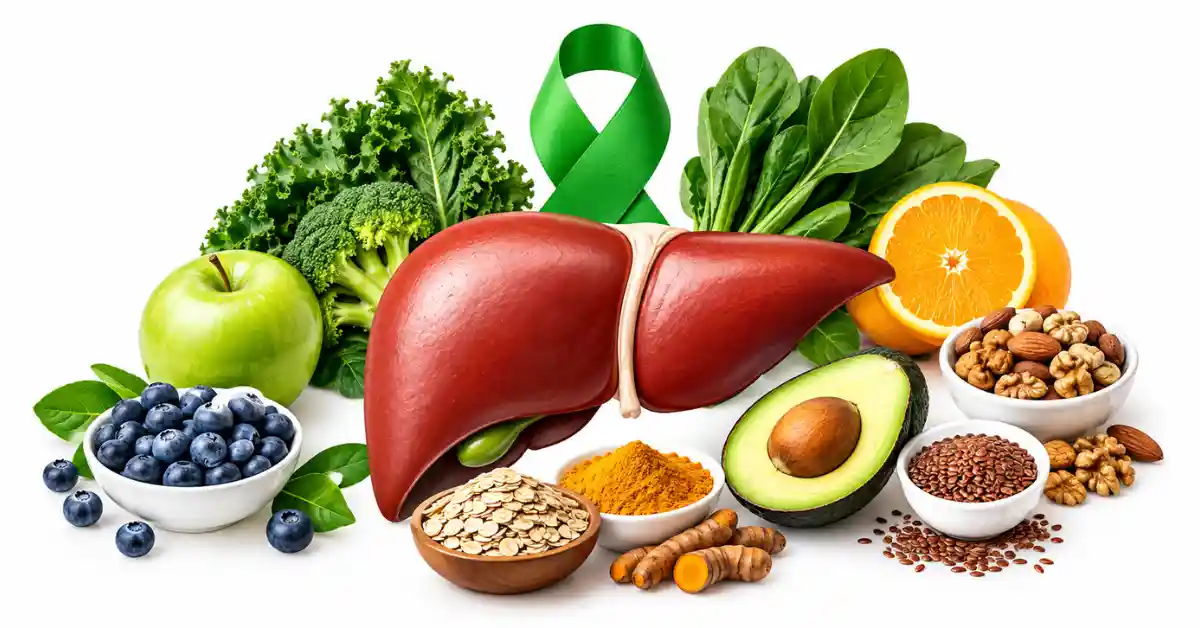
There is no single food that can repair an alcohol-damaged liver. What matters is the overall quality and adequacy of your diet.
A balanced eating pattern can support nutritional recovery, maintain muscle and help manage metabolic conditions that may affect liver health.
| Foods or drinks to limit | Why they matter |
| Alcohol | Continued alcohol exposure can keep causing liver injury and is the most important substance to avoid in alcohol-associated liver disease. |
| Highly processed foods | Often provide excess calories, refined carbohydrates, unhealthy fats and sodium while offering relatively little nutritional value. |
| Foods high in added sugar | Excessive intake can contribute to weight gain and metabolic problems that may place additional stress on the liver. |
| Sugary drinks | Can provide large amounts of added sugar and calories without providing much nutritional benefit. |
| Foods high in saturated fat | Large amounts can make maintaining a healthy metabolic profile more difficult. |
| Unproven detox products | They do not repair established liver damage, and some supplements may themselves cause liver injury. |
Rather than looking for a special “liver-cleansing” food, build meals around vegetables, fruits, whole grains, legumes, appropriate protein sources and healthy unsaturated fats. The key distinction is simple:
Good nutrition supports recovery. It does not replace alcohol cessation or medical treatment.
Can Medicines or Supplements Repair Alcohol-Related Liver Damage?
This is one area where misinformation can easily create false hope. There is no magic tablet, herbal mixture or detox drink that can erase alcohol-related liver damage.
Treatment depends on what is actually happening inside the liver. For example, someone with uncomplicated fatty liver may need a very different approach from a person with severe alcohol-associated hepatitis or cirrhosis.
Depending on the condition, medical care may involve:
- Support for stopping alcohol safely, particularly when withdrawal is a concern.
- Treatment for alcohol use disorder, which can help make long-term abstinence more achievable.
- Nutritional support when poor nutrition or muscle loss is present.
- Specific treatment for selected cases of severe alcohol-associated hepatitis, based on disease severity and individual circumstances.
- Management of cirrhosis complications, such as fluid accumulation, bleeding or hepatic encephalopathy.
- Liver transplant evaluation for selected patients whose liver disease has become advanced or irreversible.
The important principle is that treatment is directed at the disease and its cause not at “detoxing” the liver.
How Do You Know Whether Alcohol Has Already Damaged Your Liver?
One of the most difficult things about alcohol-related liver disease is that it can develop without obvious symptoms. You may not have significant pain, jaundice or abdominal swelling even when fat, inflammation or fibrosis is present.
If you have a history of prolonged heavy alcohol use, a medical evaluation can help determine whether liver damage has occurred and how advanced it may be.
Depending on your situation, a doctor may use:
- Blood tests to assess liver enzymes, bilirubin, proteins, blood counts and other markers relevant to liver function and disease severity.
- Ultrasound or other imaging to examine the liver and identify structural changes.
- Elastography or FibroScan-type testing to estimate liver stiffness and assess the likelihood of fibrosis or advanced scarring.
- Additional investigations when the diagnosis or severity remains uncertain.
- Liver biopsy in selected situations, when more detailed information is needed to clarify the diagnosis or extent of injury.
A normal liver test does not always tell the whole story
It is tempting to think that normal liver enzymes mean the liver is healthy. But liver blood tests are only one part of the assessment. Liver disease can sometimes be present even when individual enzyme levels are not dramatically elevated.
How Do Doctors Know if the Liver is Healing?
Once you stop drinking, you may naturally wonder whether your liver is actually recovering. Doctors generally look at the overall picture rather than relying on one symptom or one blood test.
Depending on your condition, follow-up may involve:
- Changes in liver blood tests and bilirubin
- Improvement or persistence of symptoms
- Changes in nutritional and muscle status
- Assessment of fibrosis or liver stiffness
- Imaging when clinically appropriate
- Monitoring for complications of advanced liver disease
Feeling better is encouraging, but it does not necessarily mean that all underlying liver injury has disappeared. Likewise, one improved blood-test result does not automatically mean that existing fibrosis has gone away.
Doctor’s Insight
The purpose of follow-up is not simply to see whether a liver enzyme has become normal. It is to understand whether the underlying liver injury is improving, remaining stable or progressing and whether additional treatment is needed.
How Long Does it Take for the Liver to Recover?
There is no universal recovery period because different types of liver injury have different potential for healing. A liver affected mainly by alcohol-related fatty change may improve considerably after alcohol is stopped. Alcohol-associated hepatitis can take longer to recover, and severe cases can be life-threatening.
Early fibrosis may improve in some people when the cause of injury is removed. Established cirrhosis, however, involves extensive scarring and usually cannot be completely reversed. Think of recovery according to the condition rather than a fixed number of days:
| Liver condition | What recovery may look like |
| Fatty liver | Liver fat can often decrease substantially after alcohol is stopped. |
| Alcohol-associated hepatitis | Inflammation and liver function may improve, but severe disease requires close medical care. |
| Early fibrosis | Some improvement may be possible when ongoing liver injury is removed. |
| Cirrhosis | Established scarring usually remains, but stopping alcohol can help prevent further injury and complications. |
This is why promises such as “repair your liver in 30 days” should be treated with caution. Recovery begins when the ongoing injury is removed, but the extent and speed of recovery depend on what has already happened to the liver.
What if the Liver Damage is Already Severe?
Some people discover their liver disease only after significant scarring has developed. Advanced cirrhosis can interfere with the liver’s ability to perform essential functions and may lead to complications such as fluid accumulation in the abdomen, internal bleeding, jaundice, hepatic encephalopathy and progressive liver failure.
At this stage, the goal is no longer simply to “repair” the liver.
Treatment focuses on:
preventing further injury + managing complications + preserving remaining liver function
For selected patients with advanced, irreversible liver disease or liver failure, liver transplantation may become an option after specialist evaluation.
A transplant is not the routine treatment for every person with alcohol-related liver damage. It is considered when the disease has become sufficiently advanced and the patient meets the appropriate medical criteria.
Warning Signs That Should Never Be Ignored
Alcohol-related liver disease can remain quiet for a long time, but certain symptoms may indicate serious complications.
Seek urgent medical attention if you develop:
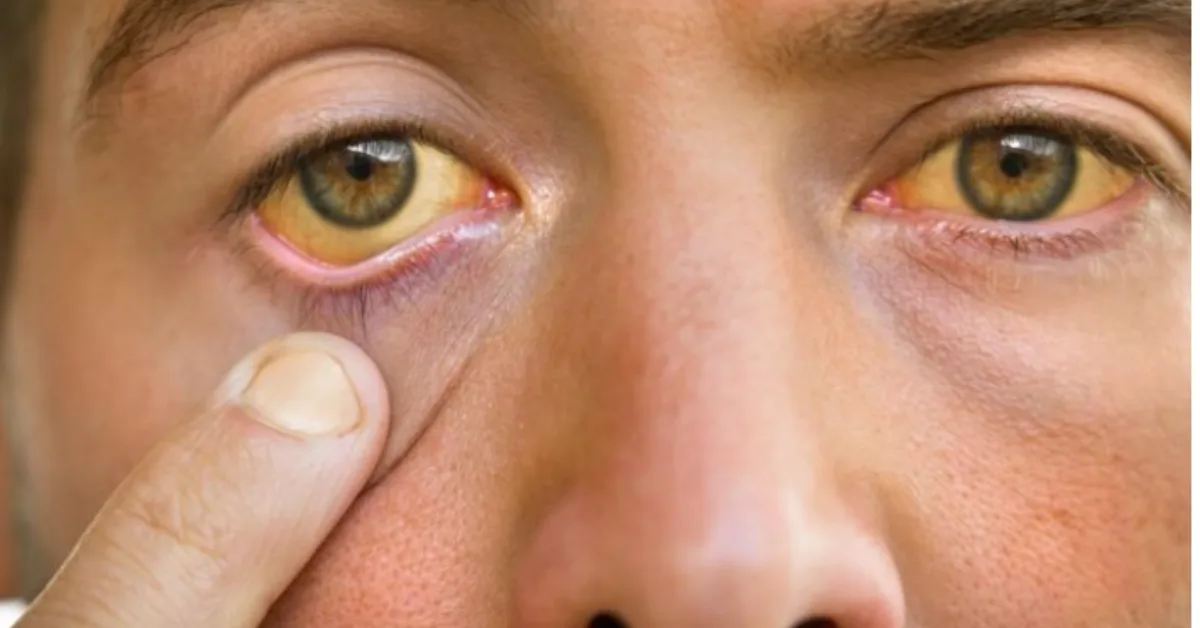
- Yellowing of the skin or eyes, which may indicate jaundice.
- Vomiting blood or passing black, tar-like stools, which can indicate gastrointestinal bleeding.
- Increasing abdominal swelling, which may occur when fluid accumulates in the abdomen.
- New confusion, unusual drowsiness or difficulty staying awake, which can occur with serious liver dysfunction.
- Severe or rapidly worsening symptoms, particularly if you already have known liver disease.
These symptoms should not be managed with home remedies or a detox program. Severe bleeding, sudden confusion or significant deterioration requires urgent medical assessment.
When Should You See a Liver Specialist?
You do not need to wait until your liver starts causing obvious symptoms.
A liver evaluation is particularly important if you have a history of prolonged or heavy alcohol use, abnormal liver blood tests, fatty liver, fibrosis or cirrhosis, or symptoms that could indicate worsening liver function.
Professional support is also important if you want to stop drinking but repeatedly find it difficult to do so. Treating alcohol use disorder is not separate from liver care—it can be one of the most important ways to protect the liver from continued injury.
A liver specialist can help answer the questions that a generic internet search cannot:
How much damage has occurred? What can still recover? What needs treatment now? And how can further damage be prevented?
Give Your Liver the Best Chance to Recover
If alcohol has damaged your liver, do not assume that the situation is either completely reversible or completely hopeless. Some alcohol-related liver injury can improve significantly. Early fibrosis may improve or stabilise. Advanced cirrhosis may not be reversible, but stopping alcohol can still make an important difference by reducing further injury and complications.
The most useful next step is not a detox drink, miracle supplement or short-term “liver cleanse.” It is to stop the ongoing injury safely, understand the condition of your liver and give it the appropriate medical and nutritional support. The earlier that process begins, the more opportunity there may be to protect the liver you have.
Read More: Causes of Acute Liver Failure