Liver Disease Prevention and Management

Many people focus on heart health, fitness, and nutrition but often overlook one of the body’s most hardworking organs the liver. Since liver disease can progress silently without obvious symptoms, understanding prevention and timely management plays a crucial role in maintaining long term health. The liver performs hundreds of important functions every day, including filtering harmful substances, supporting digestion, regulating metabolism, storing energy, and helping the body maintain balance. With healthy lifestyle choices, regular monitoring, and early medical guidance, many liver conditions can be prevented, controlled, or effectively managed.

Understanding Liver Disease

Liver disease refers to a group of conditions that affect the liver’s structure and ability to function properly. Some develop gradually due to lifestyle factors, while others may occur due to infections, medications, immune related conditions, or genetic causes.

Liver Condition Overview
Fatty Liver Disease Excess fat accumulation in liver cells, often linked with obesity, diabetes, and metabolic health problems
Hepatitis Inflammation of the liver caused by infections, medications, or immune system reactions
Liver Fibrosis & Cirrhosis Progressive scarring of liver tissue that can reduce normal liver function
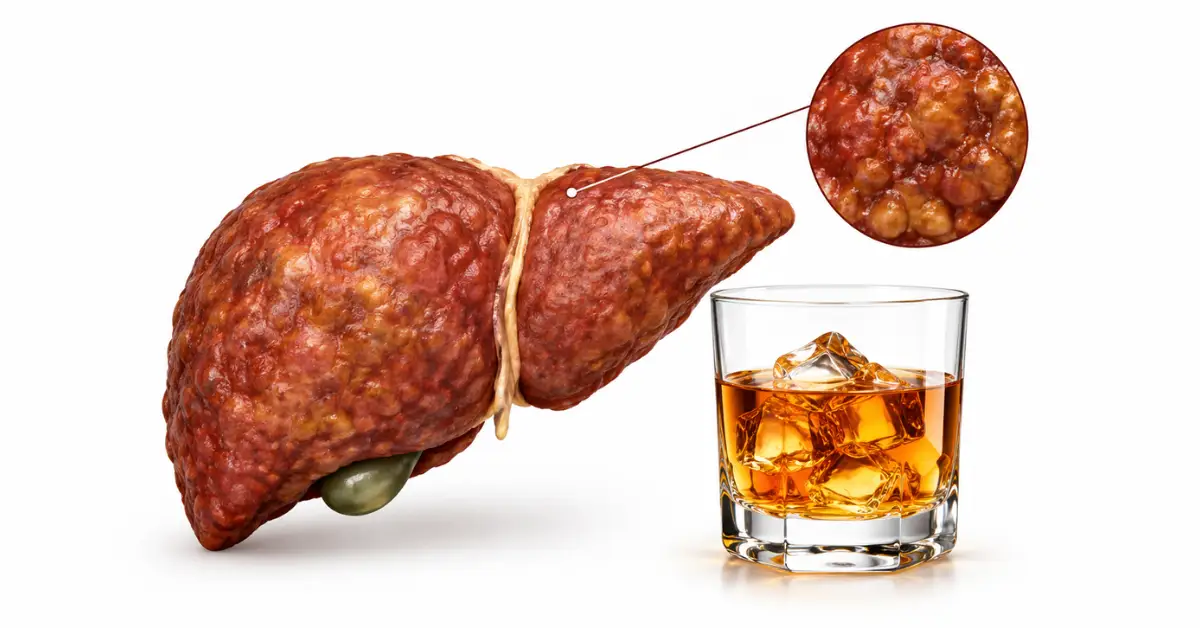
Alcohol Related Liver Disease Liver injury associated with prolonged excessive alcohol consumption
Liver Failure A serious condition where the liver loses its ability to perform essential functions

Many liver diseases remain unnoticed during the early stages. This makes awareness, prevention, and regular health evaluation extremely important.

Common Risk Factors That Affect Liver Health

Liver damage can occur due to multiple factors, and recognizing these risks early helps in taking preventive action.

Common risk factors include:

  • Excess alcohol consumption
  • Being overweight or having obesity related metabolic problems
  • Diabetes and high cholesterol
  • Viral hepatitis infections
  • Long term use of certain medicines without medical supervision
  • Family history of liver related disorders
  • Exposure to unsafe medical or cosmetic procedures

Understanding these risks allows individuals to make informed choices before liver damage progresses.

Liver Disease Prevention

Build a Liver Friendly Lifestyle

A healthy liver begins with everyday habits. Maintaining a healthy weight, staying physically active, and following a balanced diet can significantly reduce stress on the liver. Foods rich in vegetables, fruits, whole grains, lean proteins, and healthy fats support overall liver function. Reducing excess sugar, processed foods, and unhealthy fats can help prevent fat accumulation in the liver. Regular physical activity also improves metabolism, supports healthy body weight, and lowers the risk of conditions associated with fatty liver disease.

Small Daily Choices That Protect your Liver

Liver protection does not always require major lifestyle changes. Consistent daily habits can create long term benefits.

Important liver friendly practices include:

  • Staying physically active through regular exercise
  • Maintaining a healthy weight
  • Drinking enough water and following balanced routines
  • Avoiding unnecessary supplements or medications without medical advice
  • Managing diabetes, cholesterol, and blood pressure effectively
  • Limiting alcohol intake
  • Practicing safe hygiene habits

These small steps help the liver continue performing its vital functions efficiently.

Preventing Liver Infections

Certain infections, especially viral hepatitis, can affect liver health and may lead to long term complications if untreated. Prevention includes recommended vaccinations, maintaining safe hygiene, avoiding sharing personal items such as razors or needles, and choosing safe medical or cosmetic procedures. Early detection and appropriate treatment of infections can protect liver function and reduce the risk of chronic liver disease.

Liver Disease Management

Managing liver disease depends on the underlying cause, severity, and overall health of the individual. A personalized treatment approach helps slow progression and improve quality of life.

  • Diagnosis and Monitoring: Doctors evaluate liver health using different methods, including blood tests, imaging studies, and specialized assessments. These help identify liver function, detect damage, and understand the cause behind the condition. Regular monitoring allows healthcare providers to track changes and adjust treatment plans when needed.
  • Lifestyle Based Management: For conditions such as fatty liver disease, lifestyle modification is often the foundation of treatment. A healthier diet, regular exercise, weight management, and control of metabolic conditions can help reduce liver fat and improve liver health. Even small improvements in daily habits can create meaningful changes over time.
  • Medical and Advanced Treatment Options: Some liver conditions require specific medical treatment to control infection, inflammation, or disease progression. Depending on the condition, treatment may include medications, procedures, advanced monitoring, or specialized care. In severe cases where liver function becomes significantly affected, liver transplantation evaluation may be considered.
  • Managing Liver Disease Complications: Advanced liver conditions may require additional care to prevent or manage complications. Treatment may focus on controlling problems such as fluid accumulation, increased bleeding risk, infections, or changes in brain function caused by reduced liver efficiency. Early specialist care plays an important role in reducing complications and improving outcomes.

Warning Signs That Should Not be Ignored

Because the liver can continue functioning despite damage, symptoms may appear only when a condition becomes more advanced. Recognizing early warning signs can support timely medical intervention.

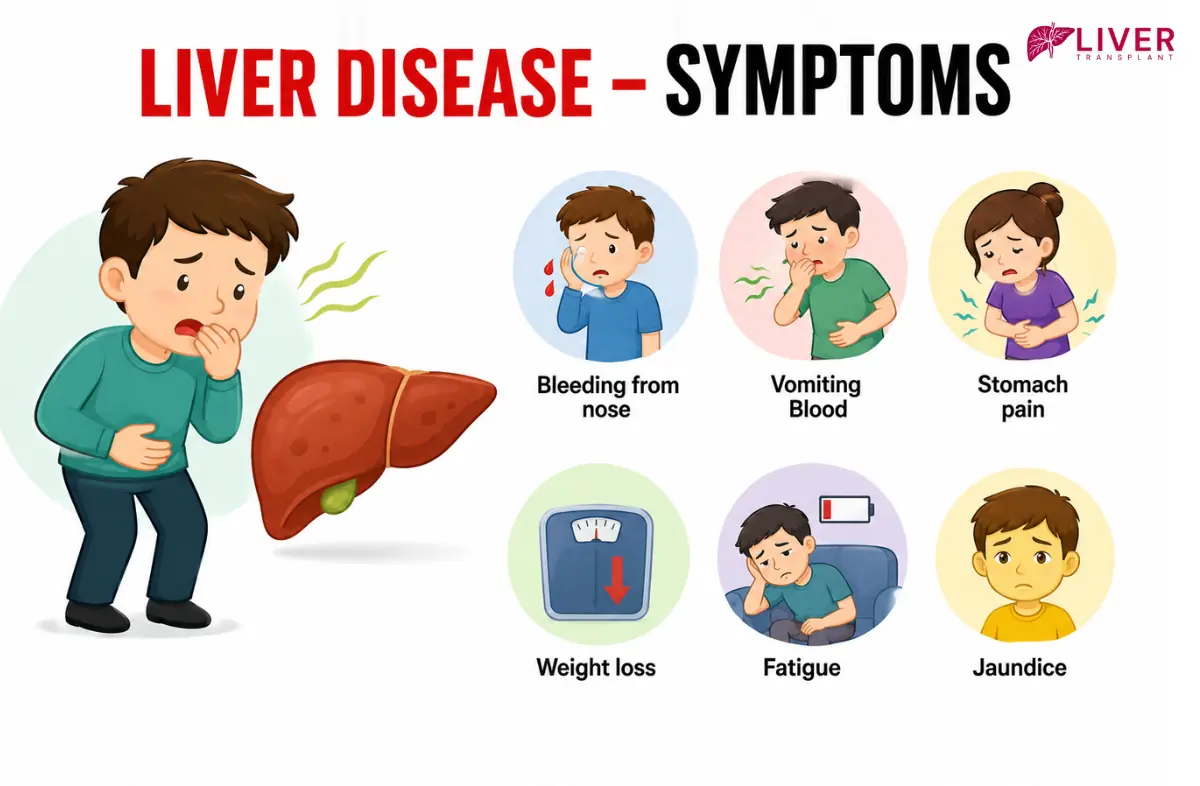
Possible symptoms include:

  • Persistent tiredness or weakness
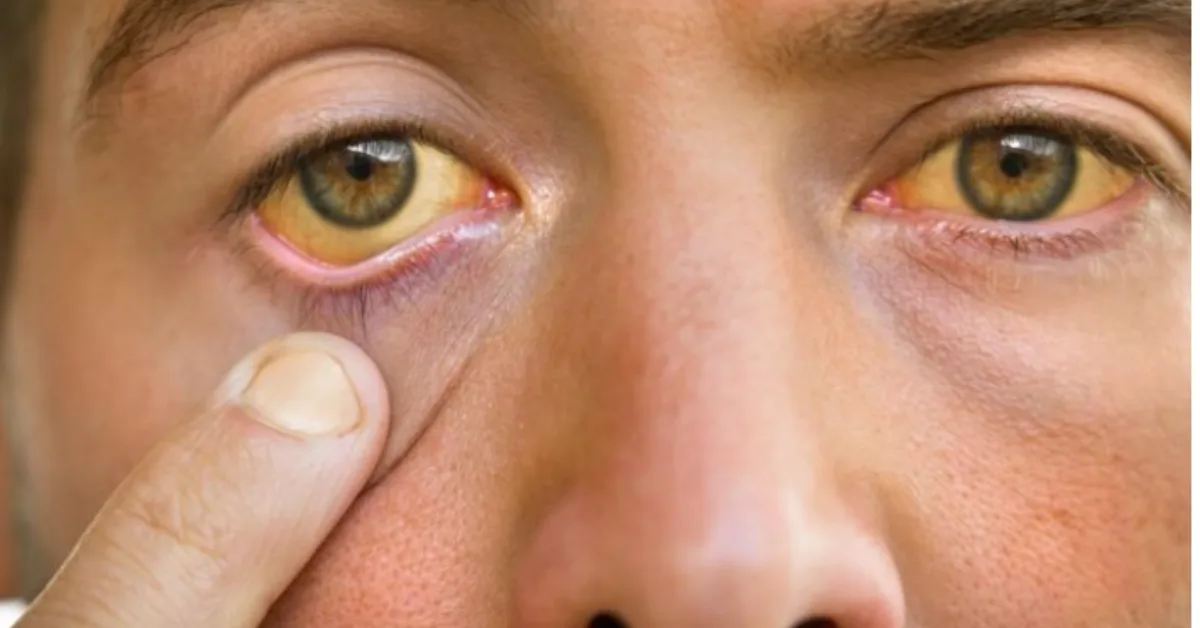
  • Yellowing of the skin or eyes
  • Abdominal swelling or discomfort
  • Dark urine or pale colored stools
  • Loss of appetite
  • Unexplained weight changes
  • Nausea or ongoing digestive problems

If these symptoms appear, medical evaluation can help identify the cause and prevent further progression.

When Should you See a Liver Specialist?

A liver specialist can help assess symptoms, identify risk factors, and create a personalized care plan.

Medical guidance is especially important if you have:

  • Abnormal liver test results
  • A history of hepatitis infection
  • Long term medication use
  • Risk factors for fatty liver disease
  • Symptoms suggesting liver dysfunction
  • Family history of liver conditions

Early consultation can help address concerns before they develop into serious complications.

Expert Insight

“The liver has a remarkable ability to recover when the cause of injury is recognized early. Prevention, awareness, and timely treatment remain the strongest tools for preserving liver health.”

Protecting liver health is not only about treating disease it is about maintaining the liver’s ability to support the body throughout life.

Conclusion

Liver health is closely connected to the choices we make every day. A balanced lifestyle, responsible habits, infection prevention, and regular health monitoring can significantly reduce the risk of liver disease. With early detection and the right medical support, many liver conditions can be effectively managed and their progression can be slowed. Your liver works silently every day protecting it through awareness, prevention, and timely care is one of the most valuable investments you can make for your long term health.

Frequently Asked Questions

Yes. Healthy lifestyle habits, infection prevention, avoiding harmful substances, and regular health check ups can reduce the risk of many liver diseases.

Yes. Many cases of fatty liver can improve through weight management, exercise, and healthier eating habits.

No. Many liver conditions remain silent in the early stages, making regular monitoring important.

Liver tests provide valuable information, but doctors may recommend additional tests depending on symptoms and risk factors.

Yes. The liver has a strong ability to heal, especially when the cause of damage is identified and treated early.

Prevent and manage liver disease through early detection, healthy habits, and personalized medical support for lasting wellness.

Conditions Treated

Comprehensive medical care for a wide range of conditions, focused on recovery, symptom management, and long-term wellness.

Read Next

Discover lifelong strategies, medications, monitoring, and healthy habits to maintain
Learn recovery steps, medications, nutrition, follow up care, and lifestyle
Get ready for liver transplant surgery with practical steps, nutrition,
Learn the differences, benefits, risks, and outcomes of living and
Explore liver transplant eligibility, evaluation criteria, and essential guidance to
Fatty liver disease develops due to excess fat buildup in