“The liver is one of the few organs that can repair itself—but healing isn’t measured in days. It happens through consistent healthy choices made over time.”
Introduction
Being told you have fatty liver disease can raise many questions, but one usually comes first:
“How long will it take for my liver to recover?”
The answer isn’t the same for everyone. Some people begin to show improvements within a few months after making healthy lifestyle changes, while others may require a longer recovery period depending on the severity of liver damage, the underlying cause, and how consistently treatment recommendations are followed.
The encouraging news is that fatty liver disease is often reversible in its early stages. By addressing the factors causing fat to build up in the liver—such as excess weight, poor dietary habits, uncontrolled diabetes, excessive alcohol consumption, or a sedentary lifestyle—many people can significantly improve their liver health before permanent damage occurs.
This guide explains what influences recovery, realistic timelines, what progress looks like, and the practical steps that give your liver the best chance to heal.
Quick Answer: How Long Does It Take to Reverse Fatty Liver?
There is no fixed timeline for reversing fatty liver disease because recovery depends on factors such as the stage of liver disease, the underlying cause, overall health, and how consistently healthy lifestyle changes are maintained.
Many people with early-stage fatty liver begin to show improvement within a few months, particularly after achieving gradual weight loss, exercising regularly, improving their diet, and managing conditions such as diabetes or high cholesterol. However, if liver inflammation or fibrosis has already developed, recovery may take considerably longer, and advanced cirrhosis is generally not reversible.
The goal isn’t simply to make the liver “look normal” on a scan—it’s to reduce liver fat, control inflammation, prevent further scarring, and support long-term liver health.
| Question | Quick Answer |
| Can fatty liver be reversed? | Yes, in many people—especially during the early stages. |
| How long does recovery take? | Improvement often begins within a few months, but the exact timeline varies from person to person. |
| What speeds up recovery? | Gradual weight loss, regular exercise, a balanced diet, avoiding alcohol where appropriate, and managing diabetes or cholesterol. |
| Can severe fatty liver be reversed? | Early fibrosis may improve in some people, but advanced cirrhosis is generally irreversible. |
| How do doctors monitor recovery? | Through liver blood tests, imaging such as ultrasound or FibroScan®, and your overall clinical progress. |
Did You Know?
The liver is the only internal organ capable of remarkable regeneration. When excess fat and ongoing injury are removed early, healthy liver cells can repair themselves over time. This is why early diagnosis and consistent lifestyle changes can make a significant difference in many people with fatty liver disease.
Can Fatty Liver Really Be Reversed?
For many people, yes—particularly when fatty liver disease is diagnosed before significant scarring develops.
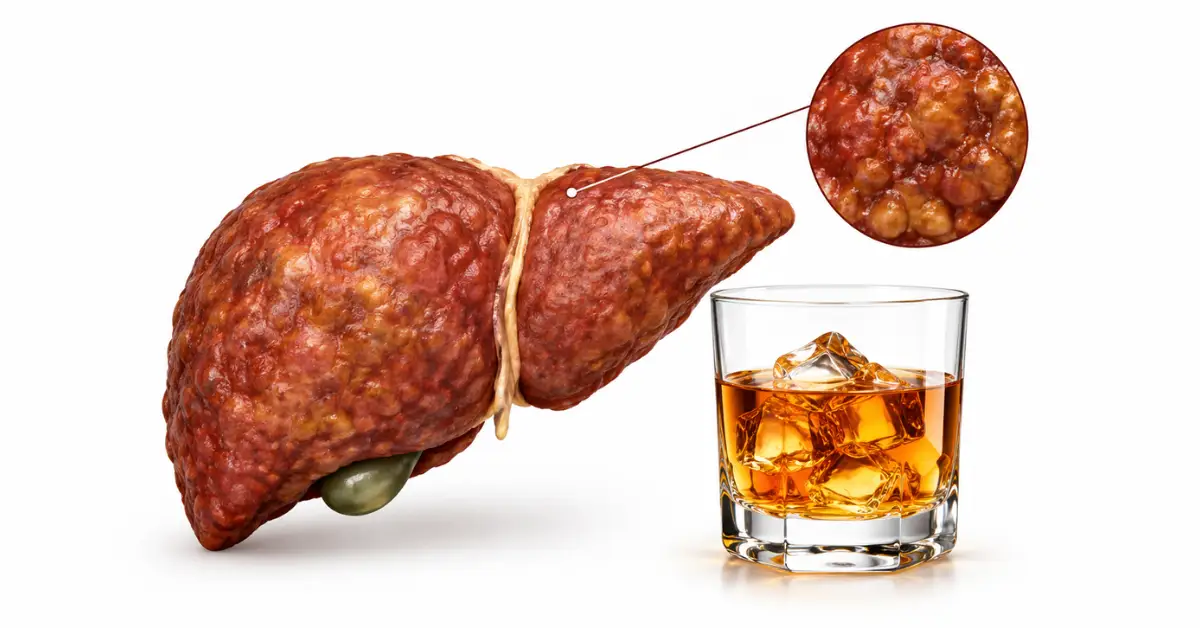
Fatty liver disease begins when excess fat accumulates inside liver cells. Initially, this may cause little or no damage. However, if the underlying causes continue, persistent fat accumulation can trigger inflammation, followed by fibrosis (scar tissue formation). Over many years, severe fibrosis may eventually progress to cirrhosis, where permanent scarring affects the liver’s structure and function.
The good news is that fat accumulation and early inflammation can often improve once the underlying cause is addressed. This is why doctors emphasise gradual weight loss, healthier eating patterns, regular exercise, controlling diabetes, and limiting alcohol rather than relying on quick fixes.
The earlier treatment begins, the greater the opportunity for the liver to recover.
Your Recovery Timeline Starts With Your Current Stage
One of the biggest misconceptions about fatty liver disease is that everyone recovers at the same pace. In reality, your starting point plays the biggest role in determining how long recovery may take.
Someone diagnosed with early fatty liver generally has a very different outlook from someone who already has significant fibrosis or cirrhosis. Understanding your current stage helps set realistic expectations and allows you to focus on long-term progress rather than comparing your recovery with others.
| Stage of Liver Disease | Can It Improve? | Recovery Outlook |
| Simple Fatty Liver (Steatosis) | Usually yes | Excellent, especially with consistent lifestyle changes. |
| Fatty Liver With Inflammation (Steatohepatitis) | Often yes | Good, although recovery may take longer and requires closer management. |
| Fibrosis (Scar Tissue Formation) | Improvement is possible in some people | Recovery is slower and depends on treating the underlying cause consistently. |
| Cirrhosis | Existing scar tissue is generally irreversible | Treatment focuses on preserving liver function and preventing complications. |
This is why two people diagnosed with fatty liver disease may have very different recovery timelines, even if they begin treatment on the same day.
How Long Does it Usually Take to Reverse Fatty Liver?
Although every person’s recovery journey is different, doctors generally look for gradual improvement rather than overnight results. Liver healing is a continuous process, and meaningful recovery depends on consistently reducing the factors that caused fat to accumulate in the first place.
| Stage | Typical Recovery Timeline* |
| Early fatty liver | Many people begin showing improvement within a few months after consistent lifestyle changes. |
| Fatty liver with inflammation | Recovery often takes longer and may require ongoing medical monitoring. |
| Early fibrosis | Improvement may occur in some individuals but usually requires sustained long-term treatment. |
| Advanced cirrhosis | Scar tissue is generally irreversible, with treatment aimed at slowing progression and preventing complications. |
Recovery timelines vary depending on age, body weight, metabolic health, alcohol intake, underlying medical conditions, and adherence to treatment.
Instead of asking, “How quickly can I reverse fatty liver?”, a more helpful question is:
“Am I making the consistent lifestyle changes that allow my liver to heal?”
That mindset leads to healthier expectations and better long-term results.
Expert Insight
Fatty liver recovery isn’t judged by one blood test or one ultrasound. Doctors look at the overall picture, including lifestyle changes, metabolic health, liver enzymes, and imaging findings over time. Small improvements sustained over months are often more meaningful than rapid short-term changes.
What Determines How Quickly Your Liver Recovers?
Although the liver has an impressive ability to repair itself, recovery isn’t determined by time alone. The speed of healing depends on what caused the fatty liver, how advanced it is, and how consistently the underlying problem is addressed.
Think of recovery as removing the obstacles that prevent your liver from healing rather than trying to force it to recover faster.
Achieving Gradual, Sustainable Weight Loss
If you’re overweight or living with obesity, gradual weight loss is one of the most effective ways to reduce excess liver fat.
Research has shown that even modest weight loss can improve liver health, while greater weight loss may further reduce inflammation and improve liver function in suitable individuals. The focus should always be on steady, sustainable progress rather than crash diets or rapid weight-loss programmes, which are difficult to maintain and may not support long-term health.
Staying Physically Active
Exercise benefits the liver even beyond weight loss. Regular physical activity helps reduce liver fat, improves insulin sensitivity, supports metabolic health, and lowers the risk of disease progression.
Whether it’s brisk walking, cycling, swimming, strength training, or another enjoyable activity, consistency matters more than intensity. Building exercise into your weekly routine gives your liver the best opportunity to recover over time.
Improving Your Eating Habits
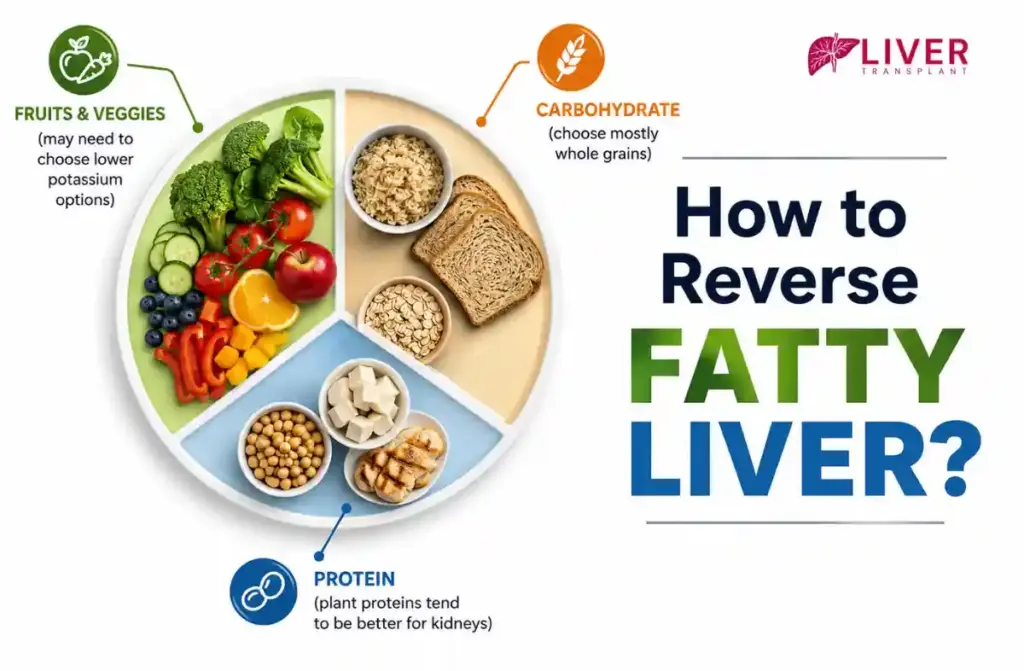
There is no single food that reverses fatty liver disease. Instead, recovery depends on maintaining a balanced eating pattern that supports overall metabolic health.
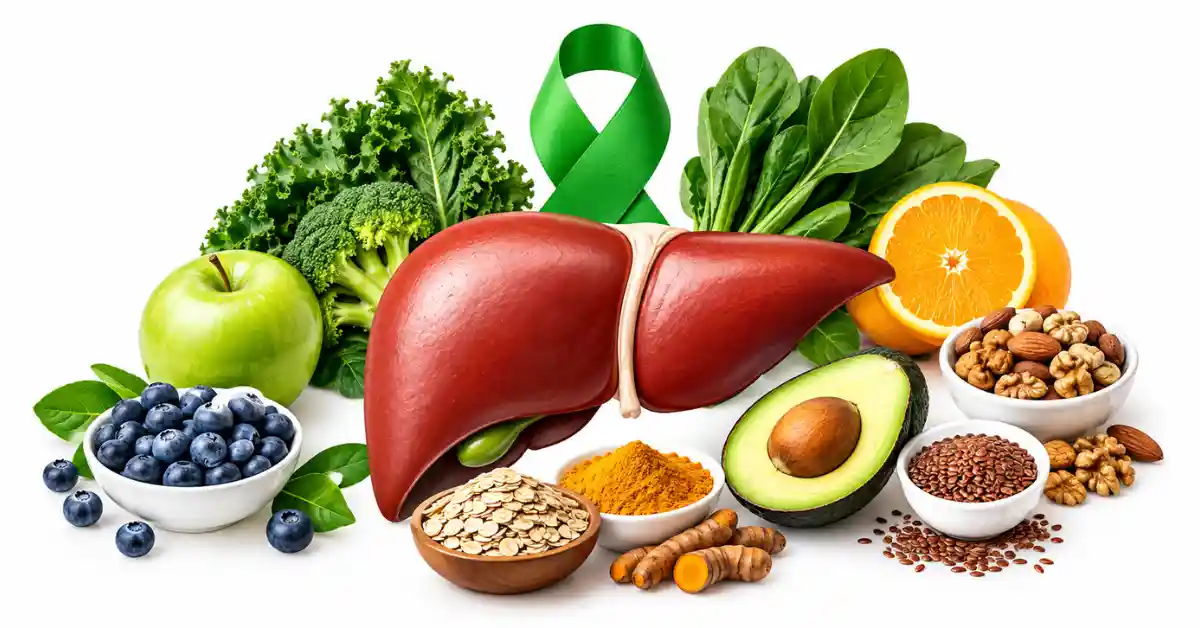
A diet rich in vegetables, fruits, whole grains, lean proteins, legumes, and healthy fats while limiting sugary drinks, highly processed foods, and excessive saturated fats helps reduce ongoing stress on the liver.
Healthy eating isn’t a temporary treatment—it’s one of the foundations of long-term recovery.
Managing Diabetes, Cholesterol, and Other Metabolic Conditions
Fatty liver disease is closely linked with conditions such as diabetes, obesity, high cholesterol, and metabolic syndrome.
Keeping blood sugar, cholesterol, and blood pressure under good control reduces ongoing liver inflammation and creates a healthier environment for recovery. For many people, managing these conditions is just as important as changing their diet.
Avoiding Alcohol When Recommended
For people with alcohol-related fatty liver disease, stopping alcohol is essential for recovery.
Even for those with metabolic fatty liver disease, healthcare professionals may advise limiting or avoiding alcohol depending on individual circumstances. Following your doctor’s advice helps reduce unnecessary stress on the liver while it heals.
Staying Consistent With Healthy Habits
Perhaps the most overlooked factor is consistency.
Healthy choices made for a few weeks are unlikely to produce lasting improvement. The liver responds to months of sustained lifestyle changes, not occasional bursts of motivation.
Small improvements maintained every day usually have a greater impact than dramatic changes that cannot be sustained.
Recovery isn’t Always a Straight Line
One of the biggest reasons people become discouraged is expecting recovery to happen at a steady pace.
In reality, liver healing is rarely linear.
Some people notice improvements in their liver blood tests within a few months, while imaging findings such as ultrasound or FibroScan® may take longer to show meaningful changes. Weight loss may slow for a period, or blood test results may fluctuate slightly between follow-up visits.
These temporary changes don’t necessarily mean your liver has stopped healing or that your treatment isn’t working.
The most important measure of success is consistent progress over time, not expecting every blood test or scan to improve immediately. Patience, regular follow-up, and long-term healthy habits remain the foundation of successful recovery.
Recovery Roadmap: What to Focus on During Your Fatty Liver Recovery
Recovering from fatty liver disease isn’t about finding the quickest solution—it’s about making steady progress over time. This roadmap outlines what your priorities should be at each stage of the journey. Remember that every person’s recovery is different, so use this as a general guide rather than a fixed timeline.
| Recovery Stage | Your Primary Focus |
| Week 1 | Understand your diagnosis, identify the underlying cause of fatty liver, and work with your healthcare provider to create a realistic treatment plan. Set small, achievable goals instead of trying to change everything at once. |
| Weeks 2–4 | Begin building healthy routines by improving your diet, becoming more physically active, limiting or avoiding alcohol if advised, and taking prescribed medications consistently. Focus on consistency rather than perfection. |
| Months 1–3 | Continue your lifestyle changes and monitor your progress. Some people may begin to see improvements in weight, blood sugar, cholesterol, or liver enzyme levels during this period. Avoid becoming discouraged if changes are gradual. |
| Months 3–6 | Strengthen the habits you’ve already built. If recommended, attend follow-up appointments to review blood tests or imaging studies and discuss whether your treatment plan needs any adjustments. |
| Beyond 6 Months | Shift your focus from reversing fatty liver to maintaining lifelong liver health. Continue healthy eating, regular exercise, weight management, and routine medical follow-up to reduce the risk of recurrence. |
Remember: Recovery isn’t measured by how quickly your liver heals—it’s measured by how consistently you support it. Every healthy choice you repeat today contributes to better liver health tomorrow.
How Will You Know Your Liver is Healing?
Recovery isn’t measured by how you feel alone. Many people with fatty liver disease have few or no symptoms, even when the liver is improving.
Doctors assess recovery using a combination of clinical evaluation, blood tests, and imaging studies to understand how well the liver is responding to treatment.
| What Doctors Monitor | What Improvement May Suggest |
| Liver function blood tests | Reduced liver inflammation and improved liver health. |
| Body weight and waist circumference | Reduced risk factors contributing to fatty liver disease. |
| Blood sugar and cholesterol | Better metabolic control that supports liver recovery. |
| Ultrasound or FibroScan® | Reduced liver fat or improvement in liver stiffness over time. |
| Overall health and lifestyle progress | Better long-term control of the underlying causes of fatty liver disease. |
Improvement doesn’t always occur at the same rate across every test. Your healthcare provider will interpret these results together to assess your overall progress rather than relying on a single number.
Fatty Liver Recovery: Expectations vs Reality
Recovery often becomes easier when you know what to expect from the beginning.
| Expectation | Reality |
| “I’ll recover within a few weeks.” | Fatty liver recovery usually takes months, not days or weeks. |
| “I feel better, so my liver must be completely healed.” | Symptoms alone don’t confirm recovery. Blood tests and imaging provide a clearer picture. |
| “One healthy month is enough.” | Long-term consistency is what produces lasting improvement. |
| “Detox drinks will speed up recovery.” | There is no proven shortcut. Sustainable lifestyle changes remain the cornerstone of treatment. |
| “If my progress slows, treatment isn’t working.” | Recovery is rarely linear, and temporary plateaus are common. |
Understanding these realities helps prevent disappointment and keeps the focus on long-term success rather than quick results.
The Five Changes That Make the Biggest Difference in Fatty Liver Recovery
When people are diagnosed with fatty liver disease, they often feel overwhelmed by the amount of advice available online. While many lifestyle changes can support liver health, some have a much greater impact on recovery than others.
If you’re wondering where to begin, focus on these five priorities.
1. Achieve Gradual Weight Loss (If You’re Overweight)
Losing excess weight is one of the most effective ways to reduce liver fat and improve liver health. Even modest, sustainable weight loss can make a meaningful difference. Rather than aiming for rapid results, focus on building eating and exercise habits that you can maintain long term.
2. Stay Physically Active Every Week
Regular exercise helps reduce liver fat, improves insulin sensitivity, and supports overall metabolic health. The best exercise is one you enjoy and can perform consistently, whether it’s brisk walking, cycling, swimming, strength training, or another form of physical activity.
3. Improve Your Daily Eating Habits
Choose a balanced diet rich in vegetables, fruits, whole grains, lean proteins, legumes, and healthy fats while limiting sugary drinks, refined carbohydrates, and highly processed foods. Recovery is driven by your overall eating pattern—not by one “superfood” or restrictive diet.
4. Manage Diabetes, Cholesterol, and Other Health Conditions
Fatty liver disease is closely linked with metabolic health. Keeping blood sugar, cholesterol, and blood pressure under good control reduces ongoing stress on the liver and supports its recovery.
5. Follow Your Treatment Plan Consistently
Whether your doctor recommends lifestyle changes, medications for associated health conditions, or regular monitoring, consistency is essential. Recovery is built over months—not through occasional healthy choices.
What Happens If Fatty Liver Doesn’t Improve?
Fatty liver disease doesn’t always progress, especially when treated early. However, if the underlying causes continue, excess fat inside the liver can gradually trigger inflammation and scar tissue formation.
Understanding this progression highlights why early action is so important.
| Stage | What Happens? |
| Fatty Liver (Steatosis) | Excess fat accumulates inside liver cells, often without symptoms. |
| Steatohepatitis | Persistent inflammation begins damaging liver tissue. |
| Fibrosis | Scar tissue develops as the liver repeatedly tries to repair itself. |
| Cirrhosis | Extensive scarring affects normal liver structure and function. |
| Advanced Liver Disease | Complications such as liver failure or liver cancer may occur in some individuals. |
The encouraging news is that most people diagnosed during the early stages have an opportunity to interrupt this progression through timely treatment and healthy lifestyle changes.
When Should You Consult a Doctor?
While lifestyle changes play a major role in reversing fatty liver disease, regular medical guidance helps ensure you’re moving in the right direction.
Arrange a medical review if you:
- Have been diagnosed with fatty liver disease and want to develop an appropriate treatment plan.
- Have diabetes, obesity, high cholesterol, or metabolic syndrome along with fatty liver.
- Continue to have abnormal liver blood tests despite lifestyle changes.
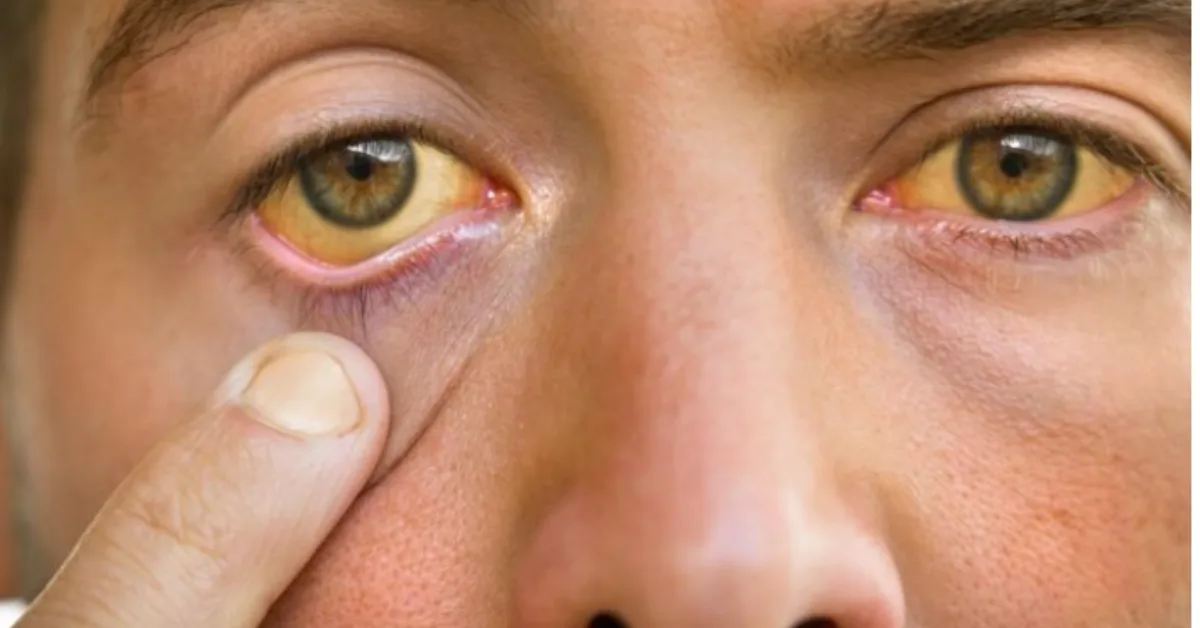
- Develop symptoms such as jaundice, persistent abdominal swelling, severe fatigue, or unexplained weight loss.
- Have concerns about alcohol-related liver disease or other chronic liver conditions.
Regular follow-up allows your healthcare provider to monitor progress, identify complications early, and adjust your treatment plan when needed.
Conclusion
Recovering from fatty liver disease is a journey of consistency rather than speed. While many people begin to see improvement within a few months, the exact timeline depends on the stage of liver disease, the underlying cause, and the commitment to long-term lifestyle changes.
Instead of searching for the fastest way to heal your liver, focus on the habits that have been proven to work—maintaining a healthy weight, staying physically active, eating a balanced diet, managing chronic health conditions, and following your healthcare provider’s advice. These changes not only help reduce excess liver fat but also protect your overall health.
Think of reversing fatty liver as a marathon rather than a sprint. Every healthy meal, every walk, every kilogram of sustainable weight loss, and every positive choice gives your liver another opportunity to heal. The timeline may differ from person to person, but consistent action today can protect your liver for years to come.
Read More: Prevention of Liver Cirrhosis