Most people don’t develop liver cirrhosis overnight. Instead, it usually progresses silently over many years as healthy liver tissue is repeatedly injured and gradually replaced by scar tissue. By the time symptoms become obvious, significant and often permanent damage may have already occurred.
Whether your concern is alcohol consumption, fatty liver disease, hepatitis, obesity, diabetes, or a family history of liver problems, one question becomes increasingly important: is prevention of liver cirrhosis actually possible?
The encouraging answer is that many cases can be prevented or significantly delayed. Prevention of liver cirrhosis starts with understanding your risk factors, recognising early liver disease, and making timely lifestyle and medical decisions that protect your liver before irreversible scarring develops.
In this guide, you’ll learn who is most at risk, the practical steps involved in prevention of liver cirrhosis, how doctors detect liver damage early, and when it’s time to seek medical advice.
Quick Takeaway: Can Liver Cirrhosis Be Prevented?
In many cases, yes. Liver cirrhosis is often the final stage of long-term liver damage rather than a condition that develops suddenly. Preventing or treating liver disease early can significantly reduce the risk of permanent scarring and preserve normal liver function.
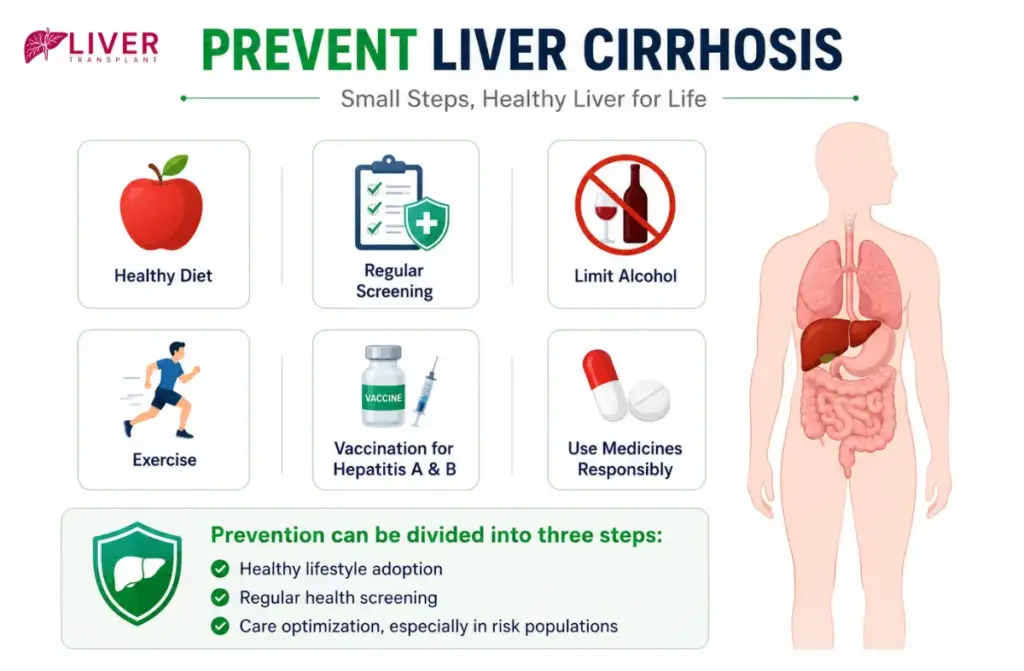
Here’s what you need to know at a glance.
| If You’re Wondering… | Here’s What You Should Know |
| Can liver cirrhosis be prevented? | In many people, yes. Early diagnosis and treatment of liver disease can prevent or delay cirrhosis. |
| Who is most at risk? | People with fatty liver disease, heavy alcohol use, chronic hepatitis B or C, obesity, diabetes, or certain inherited liver disorders. |
| What is the best way to prevent cirrhosis? | Identify and treat the underlying cause of liver injury before permanent scarring develops. |
| Can early liver damage heal? | Many early liver conditions, including fatty liver disease and some stages of fibrosis, may improve when treated promptly. |
| When should I see a doctor? | If you have abnormal liver tests, jaundice, persistent fatigue, abdominal swelling, or known liver disease, seek medical evaluation. |
The earlier liver disease is recognized, the greater the opportunity to protect healthy liver tissue and reduce the risk of cirrhosis.
Clinical Insight
One of the biggest misconceptions about liver cirrhosis is that it appears suddenly after years of unhealthy habits. In reality, cirrhosis is usually the end result of continuous liver injury that has been progressing quietly for years or even decades.
The liver has an extraordinary ability to compensate for damage, which means many people continue to feel well despite ongoing inflammation or fibrosis. This is why routine health check-ups, blood tests, and imaging often detect liver disease before symptoms become noticeable.
Understanding this silent progression is important because the greatest opportunity to prevent cirrhosis exists before permanent scar tissue has formed.
What is Liver Cirrhosis and Why is Prevention So Important?
Liver cirrhosis is a condition in which healthy liver tissue is gradually replaced by permanent scar tissue after repeated or long-term injury. As more scar tissue develops, the liver becomes stiffer and loses its ability to perform many of its essential functions, including filtering toxins, processing nutrients, producing proteins, and supporting normal digestion.
Unlike early liver inflammation or fatty liver disease, cirrhosis represents advanced liver damage. While modern treatments can often slow its progression and manage complications, the scar tissue that has already formed is generally not reversible.
This is exactly why prevention matters. The goal isn’t simply to avoid cirrhosis itself. It’s to identify and treat the liver disease that comes before cirrhosis develops.
For example:
- Alcohol-related liver disease can often improve when alcohol is stopped before extensive scarring occurs.
- Fatty liver disease may improve with healthy weight loss, regular exercise, and better control of diabetes.
- Chronic hepatitis B and hepatitis C can often be managed effectively, reducing ongoing liver injury.
- Autoimmune and inherited liver disorders can frequently be slowed with appropriate medical treatment.
In many cases, preventing cirrhosis begins years before cirrhosis would have developed.
Prevention Pro Tip
Think of liver cirrhosis as the final chapter of an ongoing story rather than the beginning of a disease. If liver problems are recognised and treated during the earlier chapters—such as fatty liver disease, chronic hepatitis, or alcohol-related liver injury—there is often an opportunity to prevent permanent scarring from developing.
Who is Most at Risk of Developing Liver Cirrhosis?
Liver cirrhosis does not affect everyone in the same way. Some people develop significant liver damage after years of ongoing injury, while others may never progress to cirrhosis despite having similar risk factors. Understanding your personal risk allows you and your healthcare provider to take preventive steps before irreversible damage occurs.
You may have a higher risk of developing liver cirrhosis if you:
Drink Alcohol Regularly Over Many Years
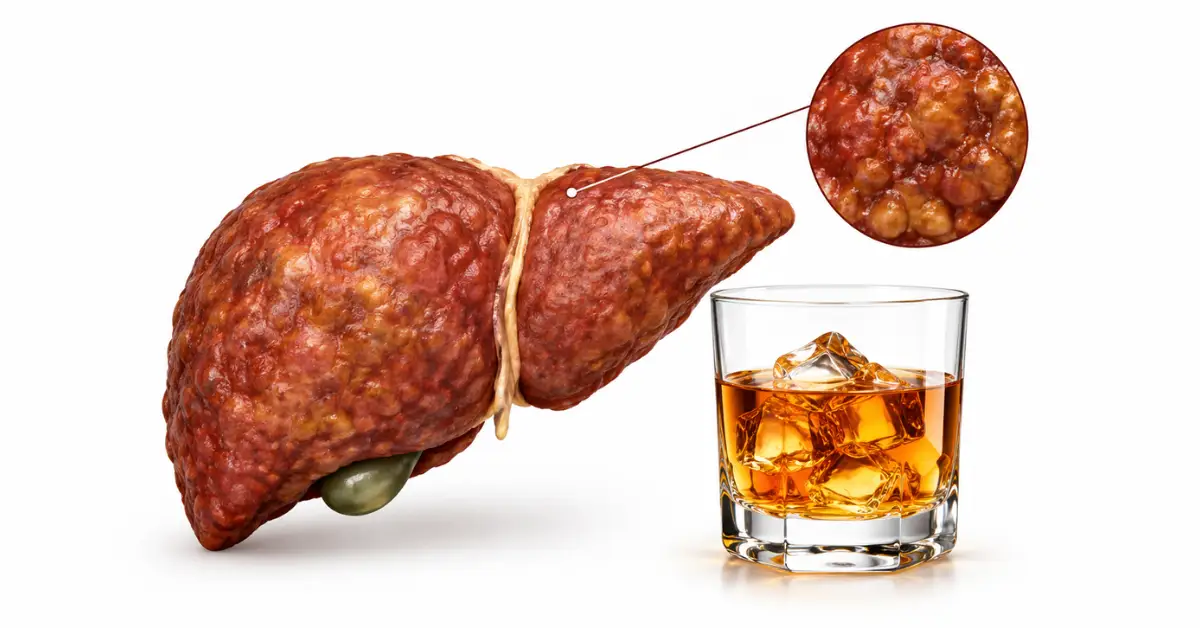
Heavy or prolonged alcohol consumption remains one of the leading causes of liver cirrhosis worldwide. Repeated exposure to alcohol can trigger inflammation, fatty liver disease, and progressive scarring if drinking continues over time.
Have Fatty Liver Disease (MASLD or MASH)
Fat accumulation inside the liver is becoming one of the most common reasons people develop chronic liver disease. Without treatment, ongoing inflammation may gradually progress from fatty liver disease to fibrosis and eventually cirrhosis in some individuals.
Live With Chronic Hepatitis B or Hepatitis C
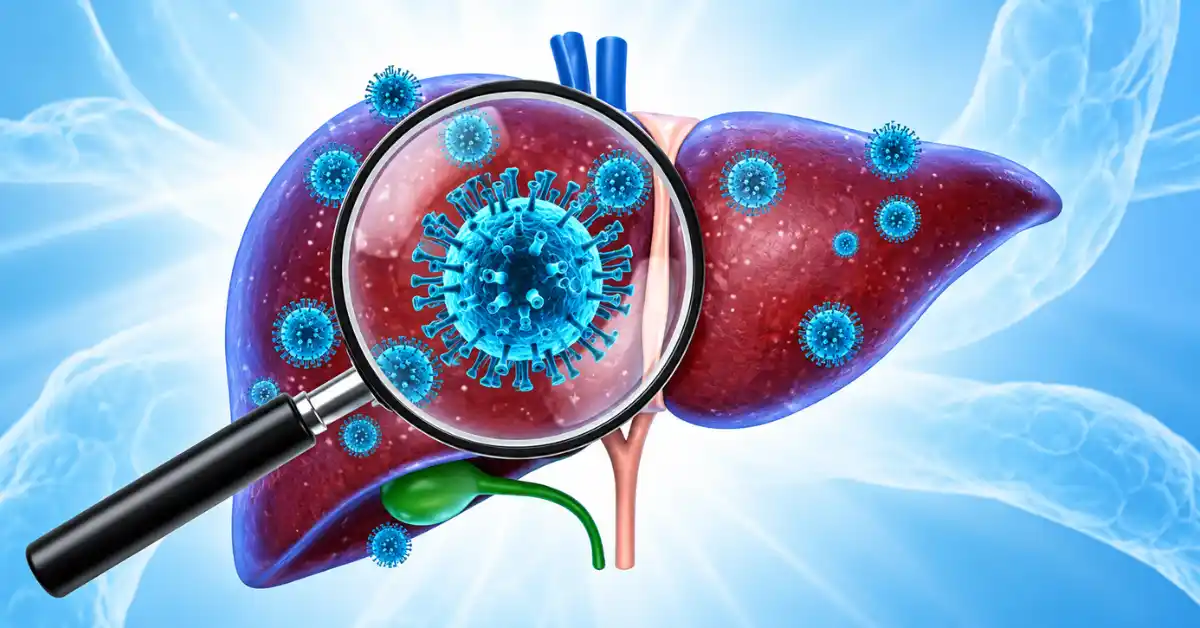
Persistent viral hepatitis causes continuous inflammation that may damage liver tissue over many years. Early diagnosis and appropriate treatment play an important role in preventing long-term complications.
Have Diabetes, Obesity, or Metabolic Syndrome
These conditions often occur together and significantly increase the likelihood of developing fatty liver disease. Poorly controlled diabetes and excess body weight can accelerate liver inflammation and fibrosis.
Have Autoimmune or Inherited Liver Disorders
Conditions such as autoimmune hepatitis, primary biliary cholangitis, hemochromatosis, or Wilson’s disease may also increase the risk of liver cirrhosis if left untreated.
Have a History of Long-Term Liver Injury
Repeated episodes of liver inflammation from different causes—including certain medicines, chronic bile duct disorders, or other liver diseases—may gradually contribute to permanent scarring.
Having one or even several risk factors does not necessarily mean you will develop liver cirrhosis. However, it does mean your liver deserves closer attention, regular monitoring, and early management of any underlying condition.
Clinical Insight
Many people who eventually develop cirrhosis were previously diagnosed with a treatable liver condition such as fatty liver disease or chronic hepatitis. This is why doctors focus on identifying liver disease early rather than waiting for cirrhosis to appear. In many cases, preventing cirrhosis simply means treating today’s liver problem before it becomes tomorrow’s permanent scar.
How to Prevent Liver Cirrhosis: Address the Cause Before Permanent Scarring Develops
Preventing liver cirrhosis isn’t about following a special liver detox or relying on a single medicine. Instead, it’s about identifying what is damaging your liver and taking steps to stop or control that damage before permanent scarring develops.
Because cirrhosis is the final stage of many different liver diseases, prevention focuses on treating the underlying cause rather than the scar tissue itself. Whether the risk comes from alcohol, fatty liver disease, viral hepatitis, or another chronic liver condition, early intervention offers the best chance of protecting long-term liver health.
Protect Your Liver From Long-Term Injury
Limit or Avoid Alcohol Consumption
Excessive alcohol intake remains one of the most common causes of liver cirrhosis. Every time alcohol is processed, the liver works to break it down and remove harmful by-products. Repeated exposure over months or years can trigger inflammation, fatty liver disease, fibrosis, and eventually cirrhosis.
If you drink alcohol regularly, reducing your intake—or stopping completely if advised by your doctor—is one of the most effective ways to protect your liver. For people who have already been diagnosed with alcohol-related liver disease, complete alcohol abstinence is generally recommended to prevent further damage.
Prevent and Manage Fatty Liver Disease
Metabolic dysfunction-associated steatotic liver disease (MASLD), previously known as non-alcoholic fatty liver disease (NAFLD), has become one of the leading causes of chronic liver disease worldwide.
Although fat accumulation inside the liver may not cause symptoms initially, persistent inflammation can gradually lead to fibrosis and cirrhosis in some individuals.
The good news is that early fatty liver disease often improves through healthy lifestyle changes, including gradual weight loss, regular exercise, and better control of blood sugar and cholesterol.
Maintain a Healthy Body Weight
Carrying excess body weight places additional stress on the liver, particularly when combined with diabetes or high cholesterol. Losing weight gradually through sustainable lifestyle changes can reduce liver fat, improve inflammation, and lower the risk of progression to cirrhosis.
Rapid weight-loss diets are generally not recommended, as they may worsen nutritional health and are difficult to maintain over time.
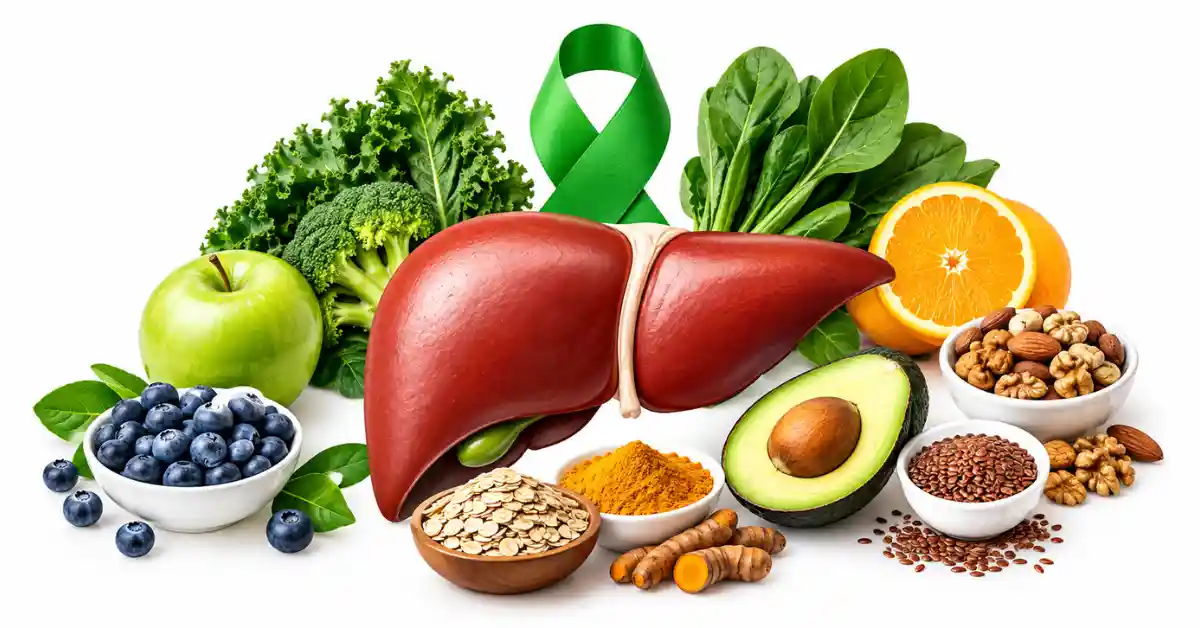
Eat a Balanced Diet That Supports Liver Health
No single food can prevent liver cirrhosis. Instead, the liver benefits from an overall eating pattern that supports metabolic health and reduces inflammation.
A healthy diet should include:
- Plenty of vegetables and fruits rich in vitamins, minerals, and antioxidants.
- Whole grains that provide fibre and support healthy digestion.
- Lean protein sources such as fish, poultry, eggs, legumes, and low-fat dairy.
- Healthy fats from nuts, seeds, and olive oil in appropriate portions.
- Limited intake of sugary drinks, highly processed foods, and excessive saturated fats.
Healthy eating should be viewed as a long-term habit rather than a temporary diet.
Stay Physically Active
Regular exercise supports liver health even if significant weight loss doesn’t occur immediately.
Physical activity helps:
- Improve insulin sensitivity.
- Reduce excess liver fat.
- Support healthy body weight.
- Improve cholesterol and blood sugar control.
- Lower the risk of metabolic diseases linked to cirrhosis.
Aim for at least 150 minutes of moderate-intensity exercise each week, unless your healthcare provider recommends otherwise.
Manage Diabetes, High Cholesterol, and High Blood Pressure
Metabolic conditions often work together to increase the risk of liver disease progression.
Keeping blood sugar, cholesterol, and blood pressure under good control not only benefits your heart but also reduces ongoing stress on the liver.
Regular follow-up with your healthcare provider helps ensure these conditions remain well managed.
Reduce Everyday Stress on Your Liver
Your liver processes not only food and alcohol but also medicines, supplements, and many substances you encounter every day. Reducing unnecessary stress on the liver supports its long-term health.
You can help protect your liver by:
- Taking medicines exactly as prescribed and avoiding unnecessary self-medication.
- Informing your doctor about all herbal products and dietary supplements you use, as some may affect liver health.
- Avoiding smoking, which has been associated with faster progression of liver fibrosis in some chronic liver diseases.
- Following workplace safety recommendations if you’re exposed to industrial chemicals or toxins.
- Getting adequate sleep and maintaining good overall health, which supports normal metabolic function.
These everyday habits may seem small individually, but together they contribute to protecting the liver over many years.
Already Have Liver Disease? Here’s How to Prevent It From Progressing to Cirrhosis
Being diagnosed with fatty liver disease, chronic hepatitis, or another liver condition does not automatically mean you will develop cirrhosis.
In many cases, progression can be slowed—or even prevented—through early treatment and regular monitoring.
If you’ve already been diagnosed with liver disease:
- Follow your prescribed treatment plan consistently.
- Attend scheduled follow-up appointments even if you feel well.
- Avoid alcohol unless your doctor specifically advises otherwise.
- Work towards a healthy body weight if overweight or obese.
- Control diabetes, cholesterol, and other metabolic conditions.
- Have recommended blood tests and imaging performed on time.
- Report new symptoms such as jaundice, abdominal swelling, or increasing fatigue without delay.
Many people continue living healthy, active lives for years because their liver disease was identified and managed before cirrhosis developed.
Are You Protecting or Putting Your Liver at Risk?
| Habits That Protect Your Liver | Habits That Increase the Risk of Cirrhosis |
| Maintaining a healthy body weight | Obesity and uncontrolled weight gain |
| Limiting or avoiding alcohol | Heavy or long-term alcohol consumption |
| Regular physical activity | Sedentary lifestyle |
| Managing diabetes and cholesterol | Poorly controlled metabolic conditions |
| Vaccination against hepatitis when appropriate | Untreated chronic hepatitis |
| Following medical advice | Ignoring abnormal liver tests or symptoms |
| Eating a balanced diet | Frequent consumption of highly processed foods |
Healthy liver function is usually the result of consistent habits rather than a single intervention.
How Do Doctors Detect Liver Damage Before Cirrhosis Develops?
One of the biggest advantages of modern medicine is that liver disease can often be detected before it progresses to cirrhosis. Since many liver conditions develop silently, doctors rely on a combination of blood tests, imaging studies, and clinical evaluation rather than symptoms alone.
Early diagnosis allows treatment to begin while healthy liver tissue is still present, improving the chances of preventing permanent scarring.
| Investigation | How It Helps |
| Liver Function Tests (LFTs) | Measure liver enzymes and proteins to identify inflammation, liver cell injury, and overall liver function. |
| Ultrasound Scan | Detects fatty liver, changes in liver size, early signs of fibrosis, and other structural abnormalities. |
| FibroScan® (Transient Elastography) | A specialised, non-invasive scan that measures liver stiffness and helps identify fibrosis before cirrhosis develops. |
| CT Scan or MRI | Recommended in selected cases when doctors need a more detailed assessment or suspect complications. |
| Liver Biopsy | Less commonly required today but may be performed when the diagnosis remains uncertain or additional information is needed. |
These investigations help doctors monitor liver health, identify disease progression, and decide whether treatment or closer follow-up is necessary.
Clinical Insight
Normal liver enzyme levels do not always mean the liver is completely healthy. Some people with significant fibrosis or even early cirrhosis may have blood test results that appear only mildly abnormal. This is why imaging studies such as ultrasound or FibroScan® are often recommended when risk factors for liver disease are present.
Can Early Liver Damage Be Reversed?
This is one of the most common questions people ask after learning they have liver disease.
The answer depends on how much damage has already occurred and whether the underlying cause is treated promptly.
Many early liver conditions respond well to lifestyle changes, medical treatment, or both. However, once extensive scar tissue develops, treatment focuses on slowing progression and preventing complications rather than reversing existing cirrhosis.
| Stage of Liver Disease | Can It Improve? | What Helps? |
| Fatty Liver Disease | Often reversible | Healthy weight, regular exercise, treating diabetes, limiting or avoiding alcohol where appropriate |
| Early Liver Fibrosis | May improve in some people | Managing the underlying cause and regular medical follow-up |
| Compensated Cirrhosis | Existing scar tissue usually remains | Treatment helps preserve liver function and reduce complications |
| Advanced Cirrhosis | Generally irreversible | Medical management, monitoring, and in selected cases, liver transplantation |
The earlier liver disease is identified, the greater the opportunity to prevent it from progressing to irreversible cirrhosis.
Prevention Pro Tip
Don’t wait for symptoms before looking after your liver. Many people prevent serious liver disease simply by acting early after an abnormal blood test, an ultrasound finding of fatty liver, or a diagnosis of hepatitis. Small interventions today can prevent major complications years later.
Common Myths About Preventing Liver Cirrhosis
Liver health is surrounded by myths, especially on social media and the internet. Understanding what medical evidence actually supports can help you focus on prevention strategies that truly work.
| Myth | Reality |
| Only people who drink alcohol develop cirrhosis. | Cirrhosis can also result from fatty liver disease, hepatitis B or C, autoimmune liver diseases, inherited disorders, and several other chronic liver conditions. |
| If I don’t have symptoms, my liver must be healthy. | Early liver disease often causes no symptoms, which is why regular health check-ups are important for people at risk. |
| Liver detox drinks can prevent cirrhosis. | There is no scientific evidence that detox drinks prevent or reverse liver cirrhosis. The liver naturally removes toxins from the body. |
| Once liver tests become normal, treatment is no longer needed. | Some people continue to have fibrosis despite improved blood tests, making ongoing medical follow-up important. |
| Liver cirrhosis always leads to liver failure immediately. | Many people with compensated cirrhosis continue living active lives for years with appropriate treatment and regular monitoring. |
Understanding the facts allows you to make informed decisions based on evidence rather than misinformation.
Warning Signs That Need Immediate Medical Attention
Although liver disease often develops silently, certain symptoms may indicate advanced liver damage or complications that require urgent medical care.
Seek immediate medical attention if you experience:
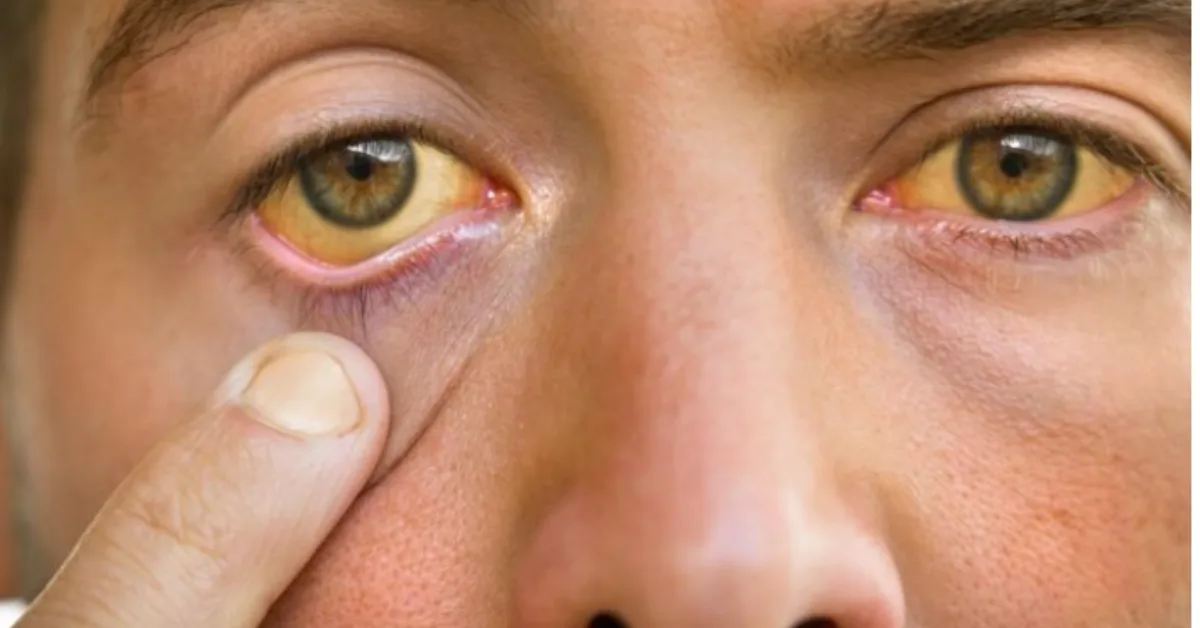
- Yellowing of the eyes or skin (jaundice).
- Vomiting blood or passing black, tarry stools.
- Rapid swelling of the abdomen or legs.
- Persistent confusion, excessive drowsiness, or changes in behaviour.
- Severe abdominal pain or persistent vomiting.
- Unexplained weight loss accompanied by ongoing fatigue or loss of appetite.
- High fever with jaundice or worsening abdominal pain.
These symptoms should never be ignored, as early treatment may prevent life-threatening complications.
When Should You Consult a Liver Specialist?While maintaining a healthy lifestyle helps protect the liver, some situations require specialist evaluation to identify the underlying cause of liver disease and prevent progression to cirrhosis.
Arrange a medical consultation if you:
- Have been diagnosed with fatty liver disease, hepatitis B, hepatitis C, or another chronic liver condition.
- Have abnormal liver function test results that remain unexplained.
- Regularly consume alcohol and are concerned about your liver health.
- Have diabetes, obesity, or metabolic syndrome along with abnormal liver tests.
- Notice persistent fatigue, jaundice, abdominal swelling, or unexplained weight loss.
- Have a family history of inherited liver disorders or cirrhosis.
Early consultation allows doctors to identify liver disease before irreversible damage develops and recommend the most appropriate treatment and follow-up plan.
The Bottom Line
Liver cirrhosis rarely develops overnight. In most cases, it is the result of years of ongoing liver injury caused by conditions that can often be recognised and managed much earlier.
Protecting your liver starts with understanding your personal risk factors, maintaining a healthy lifestyle, managing chronic medical conditions, avoiding unnecessary liver injury, and seeking timely medical care when problems arise. For people already living with liver disease, regular follow-up and appropriate treatment can make a significant difference in preventing progression to cirrhosis.
The most effective way to prevent liver cirrhosis is not to treat scar tissue after it forms—but to protect your liver before permanent damage has the opportunity to occur.