Autoimmune Liver Disease

Your immune system is supposed to protect you. Every day, without you noticing, it identifies and destroys bacteria, viruses, and abnormal cells that could cause harm. It is one of the most sophisticated defence systems in biology precise, powerful, and normally very good at telling the difference between what belongs in your body and what does not.

But sometimes that system makes a mistake. It misidentifies healthy tissue as a threat and begins attacking it. When that attack is directed at the liver one of the body’s most vital and hardworking organs the result is autoimmune liver disease.

This is not a single condition. Autoimmune liver disease is an umbrella term covering several distinct diseases, each affecting different parts of the liver or its bile duct system, each with its own characteristic pattern, and each requiring its own specific approach to treatment. What they share is the underlying mechanism an immune system that has turned against the liver and the risk they carry if left unmanaged: progressive liver damage, cirrhosis, and ultimately liver failure.

The important counterpoint to that risk is this: autoimmune liver disease is treatable. Most patients, when diagnosed and managed appropriately, can live normal or near-normal lives. The liver damage that drives these conditions can be controlled, slowed, and in many cases halted not with the complex, high-side-effect treatments of the past, but with well-established medications that most people tolerate well long-term.

Understanding this group of conditions what they are, how they present, how they are diagnosed, and what treatment looks like is the foundation for navigating them effectively.

What is Autoimmune Liver Disease?

Autoimmune liver disease refers to a group of chronic conditions in which the immune system generates an abnormal response against liver cells, bile duct cells, or both causing inflammation, progressive damage, and fibrosis over time.

In a healthy immune response, specialised cells and proteins target specific foreign invaders viruses, bacteria, or abnormal cells. In autoimmune liver disease, this targeting mechanism goes wrong. The immune system produces antibodies and activates immune cells against components of the liver's own tissue. The resulting inflammation is chronic it does not resolve on its own the way acute inflammation from an infection does. It persists, and over months and years, it accumulates into scarring.

The liver is a particularly consequential target for autoimmune attack because of the sheer number of essential functions it performs. Filtering blood from the digestive system, producing clotting proteins, synthesising albumin, metabolising drugs and hormones, producing bile all of these processes are compromised progressively as the inflammatory damage mounts.

What makes autoimmune liver disease particularly challenging from a clinical perspective is that it can be entirely silent in its early stages. Many patients have no symptoms whatsoever when the disease is first detected often discovered incidentally on blood tests done for another reason. Others present with symptoms that are non-specific enough to be attributed to stress, fatigue, or a dozen other common conditions for months or years before the diagnosis is made.

The earlier the diagnosis, the better the outcome. That principle applies to almost every chronic disease but it is particularly true for autoimmune liver disease, where early treatment can prevent the progression to cirrhosis that drives the most serious long-term complications.

Types of Autoimmune Liver Disease

There are three main types of autoimmune liver disease, each distinct in the part of the liver it primarily affects, the specific immune mechanisms involved, and the treatment approach it requires.

Autoimmune Hepatitis (AIH)

Autoimmune hepatitis is a condition in which the immune system directly attacks hepatocytes — the main functional cells of the liver. The result is chronic hepatic inflammation that, without treatment, progresses to fibrosis and cirrhosis in most patients.

It is classified into two subtypes based on the specific antibodies present in the blood.

Type 1 autoimmune hepatitis is the most common form, accounting for approximately 80 percent of cases. It is characterised by the presence of anti-nuclear antibodies (ANA) and anti-smooth muscle antibodies (ASMA) in the blood. It can occur at any age but has two peaks of incidence one in adolescence and young adulthood, and another in the perimenopausal years. It predominantly affects women roughly 70 to 80 percent of patients are female.

Type 2 autoimmune hepatitis is less common and is characterised by anti-liver/kidney microsomal antibodies (anti-LKM1) and anti-liver cytosol antibodies (anti-LC1). It tends to present at a younger age often in childhood or adolescence and can behave more aggressively than type 1.

Autoimmune hepatitis has a broad spectrum of presentations. Some patients are identified with completely normal symptoms on routine blood tests. Others present acutely with jaundice, fatigue, and significantly elevated liver enzymes in a way that can resemble acute viral hepatitis. A small proportion present with acute liver failure as the very first manifestation of the disease.

Primary Biliary Cholangitis (PBC)

Primary biliary cholangitis previously called primary biliary cirrhosis before being renamed to reduce the stigma attached to the word cirrhosis is an autoimmune condition that targets the small bile ducts inside the liver.

Bile is produced by liver cells and flows through progressively larger ducts before reaching the small intestine, where it aids fat digestion. In PBC, the immune system attacks and destroys the smallest intrahepatic bile ducts the interlobular bile ducts. As these ducts are damaged, bile can no longer drain properly from the liver. It accumulates, causing ongoing inflammation and fibrosis that, over years, can progress to cirrhosis.

PBC predominantly affects women over 90 percent of patients are female and typically presents in middle age, with peak incidence between 40 and 60 years. It is characterised by the presence of anti-mitochondrial antibodies (AMA) in the blood one of the most specific diagnostic antibody tests in all of hepatology, present in approximately 95 percent of patients with PBC.

The most characteristic early symptom of PBC is fatigue profound, persistent tiredness that is disproportionate to any other clinical findings and that does not improve with rest. Itching (pruritus) is another hallmark symptom, caused by bile salt accumulation in the skin, and can be severe enough to significantly impair quality of life.

Primary Sclerosing Cholangitis (PSC)

Primary sclerosing cholangitis is an autoimmune condition affecting the bile ducts but unlike PBC, it targets both the intrahepatic (inside the liver) and extrahepatic (outside the liver) bile ducts, causing chronic inflammation, progressive fibrosis, and stricturing of the duct system throughout.

As bile ducts are progressively scarred and narrowed, bile flow becomes obstructed. Bile backs up into the liver, causing ongoing hepatocyte damage, inflammation, and fibrosis. Over time, most patients with PSC develop cirrhosis though the rate of progression is highly variable, ranging from years to decades.

PSC has a strikingly different demographic profile from PBC and autoimmune hepatitis. It predominantly affects men roughly 60 to 70 percent of patients are male and typically presents in the third to fifth decade of life. Its most distinctive clinical association is with inflammatory bowel disease (IBD) particularly ulcerative colitis which is present in approximately 70 to 80 percent of patients with PSC. This association is so strong that any patient newly diagnosed with PSC should be screened for IBD, and vice versa.

PSC carries a significantly elevated risk of cholangiocarcinoma cancer of the bile ducts with a lifetime risk of approximately 10 to 15 percent. This necessitates regular bile duct surveillance with imaging and biochemical markers throughout a patient's care.

An important and frustrating aspect of PSC is that, unlike autoimmune hepatitis and PBC, there is currently no medical treatment proven to halt its progression. Management focuses on managing symptoms, treating complications, and monitoring for malignancy with liver transplantation as the only definitive treatment for end-stage disease.

Causes and Risk Factors

The precise mechanism that triggers autoimmune liver disease in any individual remains incompletely understood and this is one of the most active areas of current hepatology research.

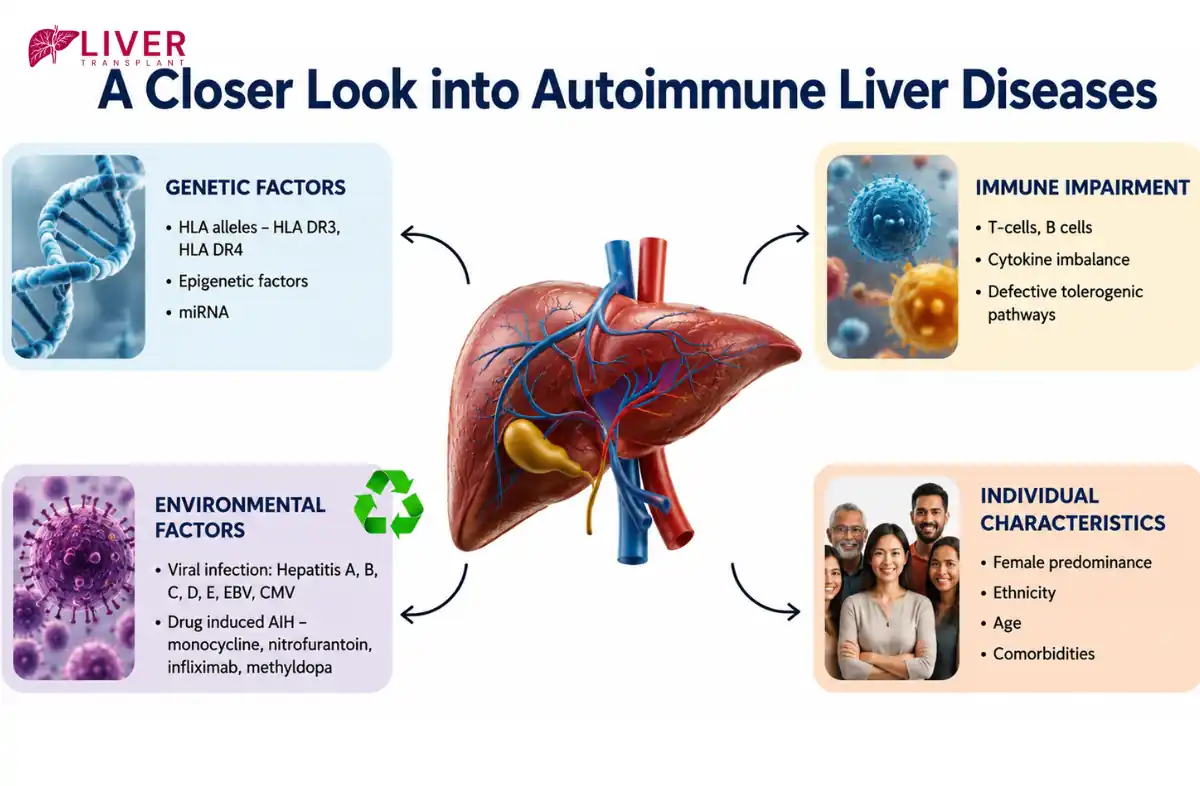
What is understood is that autoimmune liver disease results from a combination of genetic predisposition and environmental triggers working together to produce an abnormal, self-directed immune response.

Genetic factors play a clear role. Certain HLA (human leukocyte antigen) gene variants which govern immune recognition are significantly over-represented in patients with autoimmune liver disease. HLA-DR3 and HLA-DR4 variants are associated with autoimmune hepatitis in European populations. HLA-DR8 variants are linked to PBC. This genetic influence explains why autoimmune liver diseases sometimes cluster in families though they are not directly inherited in a simple predictable pattern.

Female sex is a dominant risk factor across all three major autoimmune liver diseases, particularly PBC and autoimmune hepatitis. This gender preponderance likely reflects the influence of sex hormones particularly oestrogen on immune regulation. Hormonal changes around puberty, pregnancy, and the menopause may influence disease onset or relapse.

Other autoimmune conditions increase risk. People with thyroid disease both Hashimoto's thyroiditis and Graves' disease coeliac disease, type 1 diabetes, rheumatoid arthritis, or inflammatory bowel disease have a higher likelihood of developing autoimmune liver disease. The immune dysregulation underlying one autoimmune condition appears to increase susceptibility to others.

Environmental triggers are suspected but not definitively identified in most cases. Viral infections including Epstein-Barr virus and hepatitis viruses have been proposed as potential triggers for autoimmune hepatitis in genetically susceptible individuals. Certain medications have been implicated in triggering drug-induced autoimmune hepatitis including nitrofurantoin, minocycline, methyldopa, and some biological therapies.

Gut microbiome dysregulation is an emerging area of research, particularly in PSC. The strong association between PSC and inflammatory bowel disease has led researchers to explore how disruption of normal gut bacterial composition and gut barrier function might drive bile duct autoimmune attack through portal vein translocation of microbial products to the liver.

Age is a risk factor for PBC specifically the condition rarely presents before middle age, and risk increases through the fifth and sixth decades.

Symptoms of Autoimmune Liver Disease

Symptoms vary considerably between the three conditions — and within each condition, they vary enormously between individuals. Some patients are entirely asymptomatic at diagnosis. Others present with symptoms that have significantly impaired their quality of life for months or years.

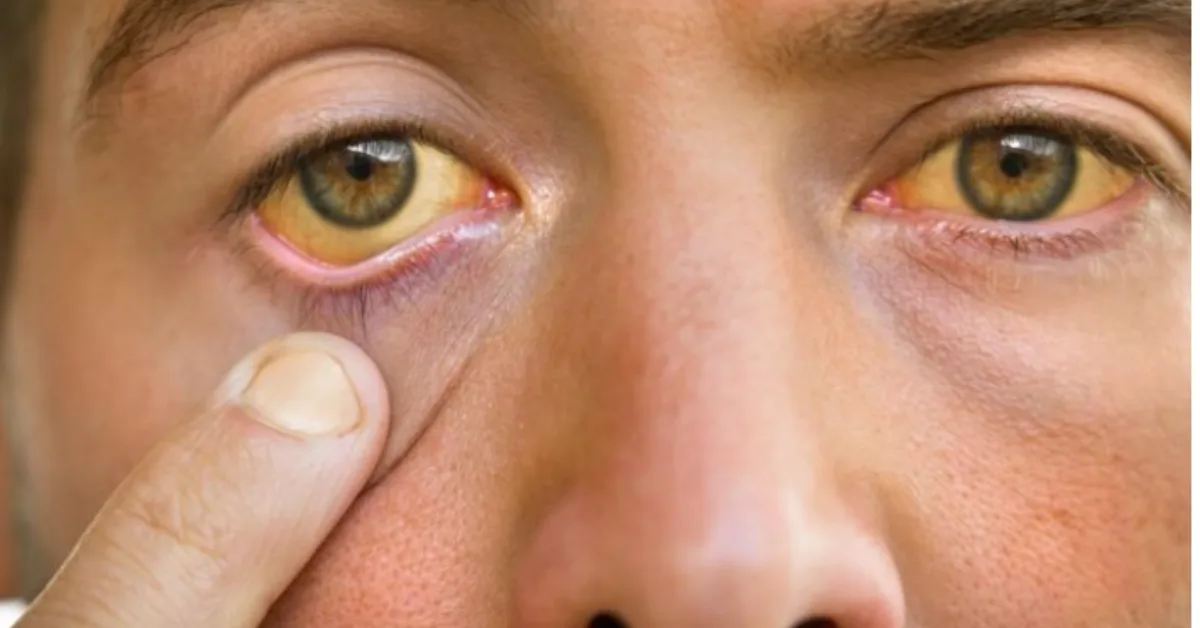
Autoimmune hepatitis symptoms range from no symptoms at all — detected purely on blood tests — to an acute presentation resembling viral hepatitis, with jaundice, significant fatigue, nausea, loss of appetite, and right upper abdominal discomfort. Some patients present with joint pain and skin rashes alongside their liver symptoms, reflecting the systemic nature of the immune dysregulation. In patients who have progressed to cirrhosis before diagnosis, symptoms of advanced liver disease — ascites, encephalopathy, variceal bleeding — may be the presenting features.

PBC symptoms typically develop insidiously. Fatigue is the most common and often most debilitating symptom — present in up to 80 percent of patients — and is described as a profound, bone-deep tiredness that is not relieved by sleep or rest and that significantly impacts daily functioning and quality of life. Itching — pruritus — is the second most characteristic symptom, caused by bile salt deposition in the skin. It can be mild and intermittent or severe enough to prevent sleep, and it does not always correlate with disease severity. Dry eyes and dry mouth (sicca symptoms), which overlap with Sjögren's syndrome, occur in a significant proportion of PBC patients. Jaundice, when it develops, generally indicates more advanced disease. Bone thinning (osteoporosis) is an important complication of long-term bile duct disease due to impaired fat-soluble vitamin absorption.

PSC symptoms are frequently absent in early disease — many patients are discovered through blood tests done during IBD monitoring before any liver symptoms have developed. When symptoms do occur, they include fatigue, intermittent itching, right upper abdominal discomfort, and episodes of fever and jaundice caused by bile duct infections (bacterial cholangitis) secondary to bile duct stricturing. Unexplained weight loss, worsening jaundice, or rapidly deteriorating liver function in a patient with known PSC should always raise concern for cholangiocarcinoma.

Symptoms common to all three conditions include fatigue, jaundice in advanced disease, symptoms of portal hypertension in patients who have developed cirrhosis, and the general sense of being unwell that accompanies chronic inflammatory disease.

Diagnosing Autoimmune Liver Disease

Diagnosis requires a combination of blood tests, imaging, and in many cases liver biopsy. No single test confirms the diagnosis in isolation — the picture is built from multiple pieces of evidence assessed together.

Liver function tests are typically the starting point — elevated transaminases (ALT and AST) in autoimmune hepatitis, elevated alkaline phosphatase and GGT in PBC and PSC, and elevated bilirubin in more advanced cases of all three. Albumin and INR assess synthetic liver function.

Autoimmune antibody testing is central to diagnosis. In autoimmune hepatitis, ANA and ASMA (type 1) or anti-LKM1 (type 2) are the key antibodies. In PBC, anti-mitochondrial antibodies (AMA) are present in 95 percent of patients and are highly specific — a positive AMA in the right clinical context is virtually diagnostic. In PSC, there is no highly specific antibody test — pANCA antibodies are present in some patients but are not diagnostically reliable.

Immunoglobulin levels provide additional diagnostic information. Elevated IgG (immunoglobulin G) is characteristic of autoimmune hepatitis. Elevated IgM is typical of PBC.

Magnetic resonance cholangiopancreatography (MRCP) is essential for diagnosing PSC — it provides detailed imaging of the bile duct system and characteristically shows the multifocal stricturing and beaded appearance of the ducts that defines PSC. ERCP (endoscopic retrograde cholangiopancreatography) can provide both diagnosis and therapeutic intervention — allowing strictured ducts to be dilated and stented — but carries procedural risks and is generally reserved for cases where therapeutic intervention is needed.

Liver ultrasound provides baseline liver and spleen assessment, evaluates portal vein blood flow, and screens for liver masses. It is the primary cancer surveillance tool in patients with established cirrhosis.

Liver biopsy remains important in autoimmune hepatitis — where histological examination showing interface hepatitis (inflammation at the border of the portal tracts and liver lobules), plasma cell infiltration, and rosette formation is characteristic and helps confirm the diagnosis and stage the degree of fibrosis. In PBC, biopsy is less commonly required when the clinical, biochemical, and antibody picture is clear. In PSC, biopsy can assess fibrosis stage but does not contribute to primary diagnosis.

The simplified AIH scoring system and the International AIH Group (IAIHG) scoring system are validated tools that combine multiple clinical and laboratory findings into a diagnostic score, helping standardise diagnosis across centres.

Treatment for Autoimmune Liver Disease

Treatment differs significantly between the three conditions — reflecting their different underlying mechanisms and the different evidence bases that have accumulated over decades of clinical research.

Treatment for Autoimmune Hepatitis

Autoimmune hepatitis responds well to immunosuppressive treatment in the majority of patients — and the response can be dramatic. Most patients achieve remission — normalisation of liver enzymes and liver biopsy improvement — within months of starting treatment. This is one of the most treatment-responsive serious liver diseases there is.

First-line treatment is a combination of prednisolone (a corticosteroid) and azathioprine (an immunosuppressant). Prednisolone is started at a relatively high dose to quickly suppress the inflammatory process and is then gradually tapered over weeks to months as remission is achieved. Azathioprine is added early and continued long-term — it maintains remission and allows the prednisolone dose to be kept as low as possible, minimising steroid-related side effects.

Approximately 80 to 90 percent of patients achieve biochemical remission with this regimen. Many patients require lifelong maintenance therapy — stopping treatment leads to relapse in the majority. The goal of long-term maintenance is remission on the lowest effective dose of azathioprine, often without any ongoing prednisolone.

For patients who do not tolerate azathioprine — due to side effects including nausea, bone marrow suppression, or pancreatitis — alternatives including mycophenolate mofetil, tacrolimus, or ciclosporin are used.

Treatment for Primary Biliary Cholangitis

Ursodeoxycholic acid (UDCA) is the first-line treatment for PBC and the only medication with a proven track record of improving long-term outcomes. Taken as a daily oral tablet, it works by promoting bile flow, reducing the accumulation of toxic bile acids in liver cells, and having cytoprotective effects on the bile duct epithelium. When started early and taken consistently, UDCA significantly slows fibrosis progression and reduces the likelihood of developing cirrhosis.

Approximately 40 percent of patients have an incomplete response to UDCA — their liver tests do not normalise to the degree that indicates adequate disease control. For these patients, a second-line treatment is now available.

Obeticholic acid (OCA) is a bile acid receptor agonist that has been shown to improve biochemical markers in patients with an incomplete response to UDCA. It is taken alongside UDCA and has significantly expanded the treatment options for PBC patients.

Symptom management is equally important in PBC. Itching is managed with cholestyramine (a bile acid sequestrant), rifampicin, naltrexone, or — in severe refractory cases — plasmapheresis. Fatigue, while the most disabling symptom for many PBC patients, responds poorly to any specific treatment — management focuses on sleep optimisation, pacing activity, and addressing any contributing factors such as thyroid disease, anaemia, or depression. Osteoporosis prevention — with calcium, vitamin D, and bisphosphonates where indicated — is an important component of long-term PBC management.

Treatment for Primary Sclerosing Cholangitis

PSC is the most challenging of the three conditions to treat — because no medication has yet been proven to slow its progression reliably. UDCA has been studied extensively in PSC but its role remains contested — it improves liver enzyme tests but has not been shown to clearly improve survival or prevent disease progression, and high doses may be harmful.

Management of PSC therefore focuses on complications. Dominant bile duct strictures — areas of severe narrowing that cause bile obstruction and cholangitis — are treated by ERCP with balloon dilation and stenting. Episodes of bacterial cholangitis are treated promptly with antibiotics. Fat-soluble vitamin deficiency is corrected with supplementation.

Cholangiocarcinoma surveillance is a central component of PSC care — annual MRCP imaging, CA 19-9 blood tests, and cytological brushings from dominant strictures during ERCP are used to monitor for early malignant transformation.

IBD management in patients with co-existing inflammatory bowel disease runs in parallel with liver management — coordination between hepatology and gastroenterology teams is essential.

Liver transplantation remains the only effective treatment for PSC that has reached end-stage disease. Outcomes after transplantation for PSC are generally good — five-year survival of approximately 80 percent — though PSC can recur in the transplanted liver in a proportion of patients.

When to See a Hepatologist?

A hepatologist — a specialist in liver disease should be involved in the care of anyone with confirmed or suspected autoimmune liver disease. This is not a condition that can be adequately managed in primary care alone, both because the diagnosis requires specialist investigation and because the treatment requires ongoing specialist monitoring.

You should seek referral to a hepatologist promptly if blood tests show persistently abnormal liver enzymes elevated ALT, AST, ALP, or GGT particularly if no obvious explanation such as alcohol use, fatty liver, or medication effect has been identified.

See a hepatologist if you have been found to have positive autoimmune antibodies ANA, ASMA, AMA, or anti-LKM1 on testing, particularly in the context of liver test abnormalities.

Seek specialist assessment if you experience persistent unexplained fatigue combined with itching, jaundice, or right upper abdominal discomfort particularly if you are a middle-aged woman, as this profile overlaps closely with PBC presentation.

If you have inflammatory bowel disease particularly ulcerative colitis and develop abnormal liver function tests, PSC should be actively excluded through specialist imaging.

If you have another established autoimmune condition and develop liver test abnormalities, autoimmune liver disease should be considered and evaluated by a specialist.

Seek urgent assessment at an emergency department or via your GP as an emergency if you develop sudden onset jaundice, significant abdominal swelling, confusion, vomiting blood, or passing very dark stools. These suggest acute liver decompensation or acute liver failure and require immediate hospital assessment.

For patients already diagnosed with autoimmune liver disease, regular scheduled hepatology follow-up is non-negotiable monitoring for treatment response, surveillance for cirrhosis complications, and liver cancer screening are all ongoing requirements that a specialist team is equipped to provide.

Conclusion

Autoimmune liver disease encompasses a group of serious but manageable conditions that share one fundamental characteristic — the immune system attacking the liver or its bile ducts rather than protecting them. The three main types — autoimmune hepatitis, primary biliary cholangitis, and primary sclerosing cholangitis — each have distinct features, different clinical courses, and different treatment approaches. But all three share the potential for progressive liver damage that, without appropriate management, leads to cirrhosis and its life-threatening complications.

The good news, and it is substantial, is that the treatment of autoimmune liver disease has improved dramatically over recent decades. Autoimmune hepatitis responds to immunosuppression in the vast majority of patients, with most achieving remission and many living normal lives on maintenance therapy. PBC is effectively controlled with UDCA and newer second-line agents in most patients, with outcomes measurably better for those diagnosed and treated early. Even PSC — the most treatment-resistant of the three — can have its complications managed effectively, and liver transplantation offers excellent outcomes for those who reach end-stage disease.

Early diagnosis remains the most important determinant of long-term outcome across all three conditions. The inflammatory damage that drives autoimmune liver disease is far easier to control at an early stage — before fibrosis has accumulated and before cirrhosis has developed — than after significant structural damage has occurred.

If you have unexplained liver test abnormalities, persistent fatigue, or any of the symptoms described in this guide — particularly in combination with a personal or family history of autoimmune disease — do not dismiss them. Seek medical assessment. A blood test and a specialist opinion could identify a treatable condition at a stage when treatment makes all the difference.

Frequently Asked Questions

While autoimmune diseases usually require medical treatment, certain lifestyle measures may help support overall health. These include eating a balanced diet rich in fruits, vegetables, and whole grains, exercising regularly, managing stress, getting adequate sleep, avoiding smoking, and limiting alcohol. However, natural approaches should complement—not replace—medical care, as untreated autoimmune diseases can lead to serious complications.

Yes. Many people with autoimmune liver diseases live long and active lives when diagnosed early and treated appropriately. Conditions such as autoimmune hepatitis, primary biliary cholangitis, and primary sclerosing cholangitis can often be managed with medications and regular monitoring. Early treatment helps prevent liver damage, reduces complications, and improves long-term outcomes and overall quality of life.

There are more than 80 autoimmune diseases. Common examples include Rheumatoid Arthritis, Systemic Lupus Erythematosus, Type 1 Diabetes, Multiple Sclerosis, Hashimoto’s Thyroiditis, Psoriasis, Celiac Disease, and autoimmune liver diseases such as Autoimmune Hepatitis. These conditions occur when the immune system mistakenly attacks the body’s own tissues.

Discover proven autoimmune liver disease treatments that support liver health and improve long-term patient outcomes naturally.

Conditions Treated

Comprehensive medical care for a wide range of conditions, focused on recovery, symptom management, and long-term wellness.

Read Next

Discover lifelong strategies, medications, monitoring, and healthy habits to maintain
Learn recovery steps, medications, nutrition, follow up care, and lifestyle
Get ready for liver transplant surgery with practical steps, nutrition,
Learn the differences, benefits, risks, and outcomes of living and
Explore liver transplant eligibility, evaluation criteria, and essential guidance to
Fatty liver disease develops due to excess fat buildup in