Hepatobiliary Surgery Services

A diagnosis involving the liver, gallbladder, bile ducts, or pancreas can often feel overwhelming. Many patients are unsure about the seriousness of their condition, whether surgery will be required, and what treatment options are available. These organs play a vital role in digestion, metabolism, and overall health. Because they are closely connected, diseases affecting one structure can frequently influence the function of another. As a result, treatment often requires specialized expertise that goes beyond routine surgical care. Comprehensive Hepatobiliary Surgery Services are designed to provide that expertise. By combining advanced diagnostics, minimally invasive surgical techniques, multidisciplinary collaboration, and personalized treatment planning, hepatobiliary specialists help patients navigate complex conditions with greater confidence and clarity.

Whether treating gallstones, liver tumors, bile duct disorders, pancreatic diseases, or hepatobiliary cancers, the goal remains the same: to deliver safe, effective treatment while preserving organ function and improving long term quality of life.
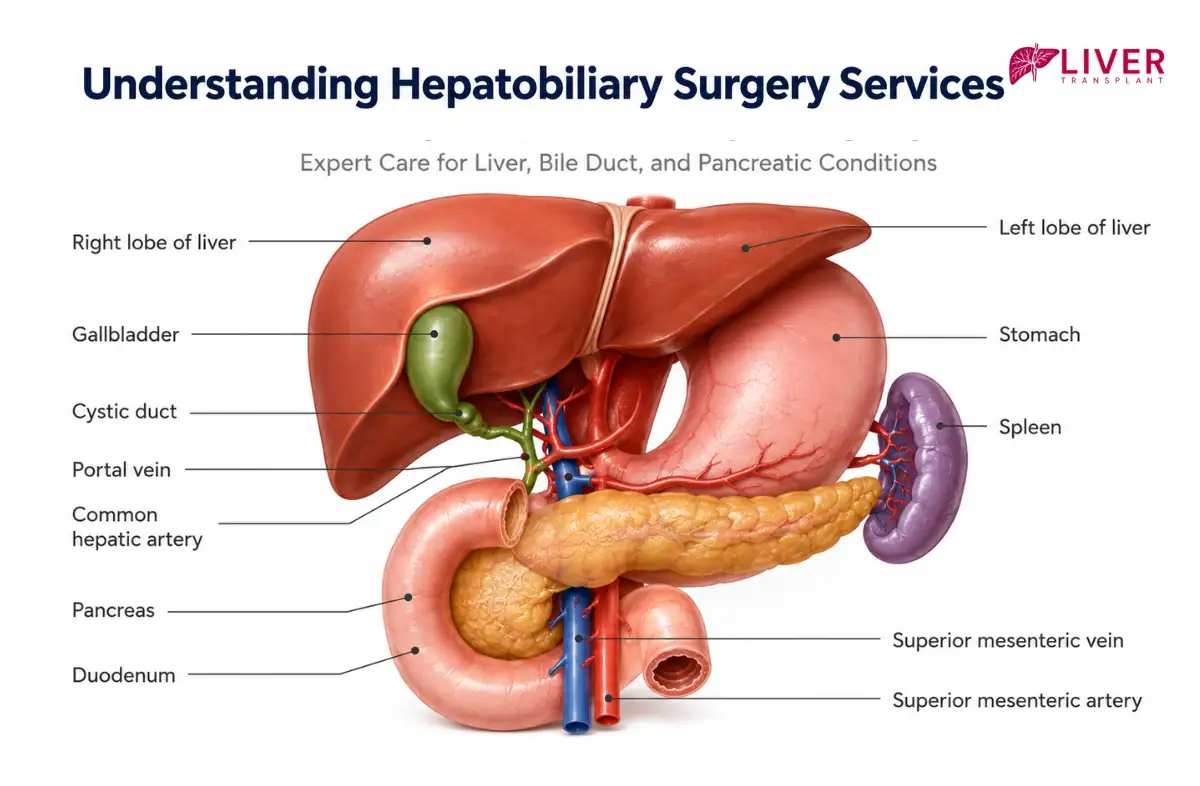

Understanding Hepatobiliary Surgery Services

Hepatobiliary surgery is a highly specialized field dedicated to the treatment of diseases affecting the liver, gallbladder, bile ducts, and pancreas. These organs perform essential functions that support digestion, nutrient absorption, metabolism, and waste elimination. Unlike many surgical specialties that focus on a single organ system, hepatobiliary surgery requires a broad understanding of several interconnected structures. Conditions can range from relatively common disorders such as gallstones to highly complex cancers requiring advanced surgical intervention. Modern hepatobiliary services extend far beyond the operating room. Patients benefit from comprehensive evaluation, accurate diagnosis, individualized treatment planning, surgical expertise, and structured follow up care designed to support recovery and long term health.

Why Specialized Hepatobiliary Care Matters

The liver, pancreas, gallbladder, and bile ducts present unique surgical challenges due to their complex anatomy and critical physiological functions. Procedures involving these organs often require advanced planning, specialized equipment, and highly experienced surgical teams. Patients treated at dedicated hepatobiliary centers benefit from a coordinated approach that brings together multiple specialists who work collaboratively to determine the safest and most effective treatment strategy.

Specialized Care Advantage Patient Benefit
Advanced Diagnostic Evaluation Accurate diagnosis and treatment planning
Multidisciplinary Expertise Comprehensive care from multiple specialists
Specialized Surgical Techniques Enhanced precision and safety
Minimally Invasive Options Faster recovery and reduced discomfort
Personalized Treatment Planning Individualized patient care
Coordinated Follow Up Improved long term outcomes

Conditions Treated Through Hepatobiliary Surgery

Hepatobiliary surgery encompasses a broad spectrum of conditions that vary significantly in complexity and severity. Some patients may require treatment for benign disorders that affect daily comfort and quality of life, while others may need highly specialized surgery for cancer or advanced organ disease.

Common conditions include:

  • Liver tumors and liver cancer
  • Gallstones and gallbladder disease
  • Bile duct strictures and bile duct cancers
  • Pancreatic tumors and pancreatic cancer
  • Liver cysts and benign lesions
  • Chronic pancreatitis
  • Metastatic cancers involving the liver

Because each condition presents unique challenges, treatment plans are carefully tailored to the individual patient.

Benefits of Early Surgical Evaluation

Many hepatobiliary diseases progress silently before symptoms become apparent. Early evaluation enables specialists to identify concerns sooner, determine disease severity, and develop a treatment plan before complications arise.

Benefit Impact
Earlier Diagnosis Enables timely intervention
Better Treatment Planning Supports personalized care
Expanded Treatment Options May allow less invasive procedures
Reduced Complications Helps prevent disease progression
Improved Outcomes Enhances long term success

Early consultation often provides patients with greater treatment flexibility and improved long term prospects.

Diagnostic Excellence in Hepatobiliary Care

Accurate diagnosis forms the foundation of successful treatment. Before recommending surgery, specialists must understand the exact nature and extent of the disease.

Diagnostic Tool Purpose
Ultrasound Initial abdominal evaluation
CT Scan Detailed anatomical assessment
MRI & MRCP High resolution liver and bile duct imaging
Endoscopic Procedures Diagnostic and therapeutic evaluation
Liver Function Tests Assessment of liver health
Tumor Marker Testing Cancer evaluation
Biopsy Tissue diagnosis when required

Together, these investigations provide a comprehensive picture that guides treatment decisions.

Advanced Technology Supporting Hepatobiliary Surgery

Technology plays a critical role in improving surgical precision and patient outcomes. Modern hepatobiliary centers utilize sophisticated imaging systems and surgical platforms that help surgeons navigate complex anatomy with greater confidence. These technologies may include high definition laparoscopic systems, robotic assisted surgical platforms, intraoperative ultrasound, image guided navigation, advanced energy devices, and enhanced recovery protocols. When combined with surgical expertise, these innovations contribute to safer procedures, improved accuracy, and more predictable recovery.

Advanced Hepatobiliary Surgical Procedures

Modern hepatobiliary surgery includes a wide range of procedures designed to treat both benign and malignant conditions. These may involve liver resections, gallbladder removal, bile duct reconstruction, pancreatic surgery, tumor excision, cyst removal, and complex oncological operations. Every procedure is selected based on the patient's diagnosis, anatomy, overall health, and treatment goals. The emphasis is always on achieving effective treatment while preserving healthy organ function whenever possible.

Minimally Invasive and Robotic Surgery

One of the most significant advancements in hepatobiliary care has been the adoption of minimally invasive and robotic assisted techniques. Rather than requiring large incisions, these approaches use specialized instruments and high definition visualization systems to perform complex procedures through smaller openings.

Potential Advantage Benefit
Smaller Incisions Reduced scarring
Less Tissue Trauma Lower postoperative discomfort
Enhanced Precision Improved surgical accuracy
Shorter Hospital Stay Faster recovery
Reduced Blood Loss Increased surgical safety

For eligible patients, these techniques can significantly improve the overall surgical experience.

Liver Surgery Services

Liver surgery is often required for conditions such as liver tumors, liver cancer, metastatic disease, cysts, and certain benign lesions. Because the liver has a unique ability to regenerate, surgeons can often remove diseased portions while preserving sufficient healthy liver tissue. Careful preoperative planning helps determine the safest approach and supports optimal outcomes. Modern liver surgery often requires advanced imaging, volumetric analysis, and careful assessment of liver reserve. These evaluations help surgeons determine how much liver tissue can be safely removed while maintaining healthy liver function after surgery. 

Gallbladder Surgery Services

Gallbladder disorders are among the most common reasons patients seek hepatobiliary care. Conditions such as gallstones, recurrent inflammation, polyps, and gallbladder tumors can significantly affect quality of life. In many cases, gallbladder removal provides lasting relief from symptoms and prevents future complications. Minimally invasive techniques have made this procedure safer and more comfortable for many patients. Early treatment often helps prevent recurrent pain, infection, and emergency hospitalizations.

Bile Duct Surgery Services

The bile ducts are responsible for transporting bile from the liver to the digestive system. When these ducts become blocked, narrowed, injured, or affected by cancer, patients may experience serious complications. Bile duct surgery often requires highly specialized expertise due to the delicate anatomy involved. Treatment may include reconstruction, removal of diseased segments, or procedures designed to restore normal bile flow. Successful management depends on accurate diagnosis and meticulous surgical planning.

Pancreatic Surgery Services

Pancreatic diseases often require complex evaluation and multidisciplinary care. Conditions such as pancreatic tumors, cysts, chronic pancreatitis, and pancreatic cancer can significantly impact digestion and overall health. Because pancreatic surgery is technically demanding, treatment should be performed by experienced specialists with access to comprehensive support services. The objective is not only to treat the disease but also to preserve function and enhance long term quality of life.

Hepatobiliary Cancer Surgery

Cancer affecting the liver, gallbladder, bile ducts, or pancreas often requires a coordinated treatment approach involving multiple specialists. Surgery may be combined with chemotherapy, targeted therapy, immunotherapy, radiation therapy, or interventional radiology procedures depending on the diagnosis. A multidisciplinary strategy ensures that every treatment decision is carefully considered and tailored to the patient's specific condition.

What to Expect During your Treatment Journey

Every patient's experience is unique, but treatment generally follows a structured pathway designed to provide clarity and support.

Stage What Happens
Initial Consultation Comprehensive medical evaluation
Diagnostic Testing Imaging and laboratory investigations
Treatment Planning Multidisciplinary discussion and recommendations
Surgical Treatment Personalized procedure based on diagnosis
Recovery Phase Monitoring and rehabilitation
Follow Up Care Long term monitoring and support

This organized approach helps patients understand each step of their care journey.

Why Choose Specialized Hepatobiliary Surgery Services?

Complex hepatobiliary conditions often require more than technical surgical skill alone. Specialized centers provide access to dedicated hepatobiliary surgeons, advanced technology, multidisciplinary expertise, and coordinated care pathways.

Advantage Benefit
Dedicated Specialists Extensive experience with complex conditions
Advanced Surgical Technology Improved precision and safety
Multidisciplinary Collaboration Comprehensive treatment planning
Minimally Invasive Expertise Enhanced recovery when appropriate
Structured Follow Up Continuity of care and monitoring

These advantages contribute to more informed decision making and improved patient outcomes.

Recovery and Long Term Follow Up

Recovery is a vital component of successful treatment. Depending on the procedure performed, patients may require nutritional support, physical rehabilitation, wound care, and ongoing monitoring.

Recovery Phase What Patients Can Expect
Immediate Recovery Monitoring and pain management
Hospital Stay Gradual mobilization and healing
Early Recovery Increasing daily activities
Long Term Recovery Follow up care and ongoing monitoring

For cancer patients, surveillance programs help detect recurrence early and support long term health.

Key Takeaways

Key Point Summary
Scope of Care Liver, gallbladder, bile duct, and pancreatic disorders
Diagnostic Excellence Advanced imaging and evaluation
Surgical Expertise Specialized procedures for complex diseases
Minimally Invasive Options Faster recovery and reduced discomfort
Multidisciplinary Care Collaborative treatment planning
Long Term Support Recovery, monitoring, and follow up
Goal Safe treatment and improved quality of life

Expert Insight

Successful hepatobiliary surgery is built upon precise diagnosis, meticulous surgical planning, and multidisciplinary collaboration. The best outcomes occur when advanced technology, specialized expertise, and patient centered care work together to deliver treatment that is both effective and individualized.

Conclusion

Hepatobiliary Surgery Services represent far more than surgical treatment alone. They provide a comprehensive framework for diagnosing, managing, and treating complex conditions affecting the liver, gallbladder, bile ducts, and pancreas. Through advanced diagnostics, specialized surgical expertise, minimally invasive techniques, and coordinated multidisciplinary care, patients receive treatment that is tailored to their unique needs and circumstances. For individuals facing hepatobiliary disorders, access to specialized care offers more than medical treatment it provides clarity, confidence, and a clear path toward recovery. With the right expertise, advanced technology, and personalized support, even complex conditions can be managed with greater safety, improved outcomes, and hope for a healthier future.

Frequently Asked Questions

Hepatobiliary surgery is a specialized field focused on diseases affecting the liver, gallbladder, bile ducts, and pancreas.

Conditions may include gallstones, liver tumors, liver cancer, bile duct disorders, pancreatic diseases, and hepatobiliary cancers.

Yes. Many procedures can be performed using laparoscopic or robotic assisted techniques when clinically appropriate.

No. Hepatobiliary surgeons treat both benign and malignant conditions, including gallstones, cysts, inflammatory disorders, and cancers.

These conditions often involve multiple organ systems and treatment modalities. Collaboration among specialists helps ensure comprehensive and personalized care.

Explore treatment options for hepatitis including antiviral medications, lifestyle changes, immunomodulators, supportive care, and regular
Advanced hepatobiliary surgery services provide precise treatments, expert care, and personalized support for improved recovery.

Conditions Treated

Comprehensive medical care for a wide range of conditions, focused on recovery, symptom management, and long-term wellness.

Read Next

Discover lifelong strategies, medications, monitoring, and healthy habits to maintain
Learn recovery steps, medications, nutrition, follow up care, and lifestyle
Get ready for liver transplant surgery with practical steps, nutrition,
Learn the differences, benefits, risks, and outcomes of living and
Explore liver transplant eligibility, evaluation criteria, and essential guidance to
Fatty liver disease develops due to excess fat buildup in